
Do All Nest Thermostats Have Batteries
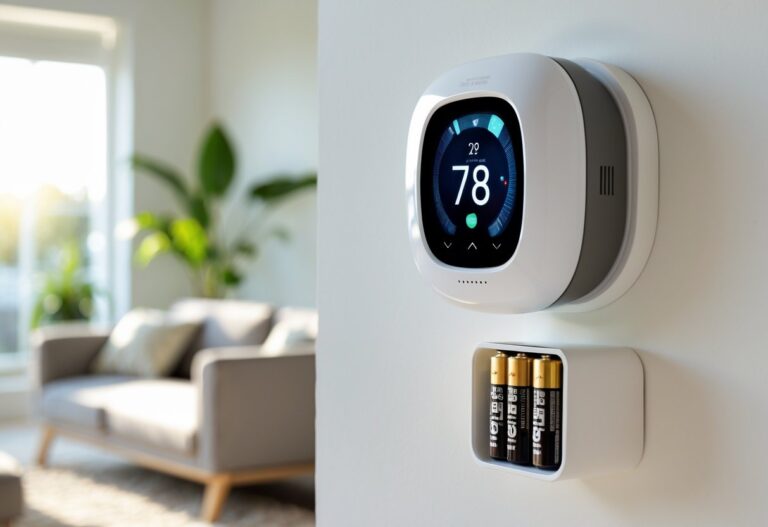
Hey there, ever just stare at your smart thermostat and wonder what makes it tick? You know, that sleek little gadget that keeps your home cozy or cool. It's usually a Nest, right? Super fancy, super smart. But then a little thought pops into your head: does this thing have batteries?
It’s a fair question! You plug your phone in, your laptop too. But this thermostat just... sits there, doing its magic. No visible wires trailing to an outlet. So, are Nest thermostats powered by magic pixies? Or maybe, just maybe, batteries?
The short answer? It's a bit of a twisty, turny, fun little secret. Most Nest thermostats do have batteries, but probably not the kind you're picturing. And certainly not in the way you might think they're primarily powered. Buckle up, buttercup, because this is where it gets good!
Must Read
The C-Wire Conundrum: Nest's Secret Power Source
Imagine your Nest thermostat as a tiny, highly intelligent energy vampire. Not the blood-sucking kind, thankfully. More like the super-efficient, barely-sucking-any-power-at-all kind. Most Nest thermostats, especially the original Nest Learning Thermostat and the Nest Thermostat E, prefer to draw their power directly from your home's HVAC system wires. This is usually through something called a C-wire (common wire).
The C-wire is like a dedicated power line for low-voltage devices. It's fantastic because it provides a steady, reliable trickle of electricity to keep your Nest juiced up 24/7. This means its Wi-Fi stays connected, its screen stays bright, and it's always ready to learn your habits. If you've got a C-wire, your Nest is basically living the dream, constantly sipping power.

But here's the quirky bit: not all homes have a C-wire. Especially older homes! So, what does a super-smart, energy-hungry Nest do then? Does it just give up? Of course not! It gets creative.
When Your Nest Plays Power Vampire (Sort Of)
If there's no C-wire, some Nest models (like the Learning Thermostat) resort to what's known as "power stealing" or "phantom power." This is where it really gets fun. Your Nest will actually draw tiny, intermittent bursts of power from the heating or cooling wires whenever your system isn't actively running. Think of it like a micro-nap, where it recharges a little internal battery (we'll get to that!).
It's incredibly clever engineering, right? Your thermostat basically says, "Hey, you're not busy heating the house right now? Mind if I borrow a teensy bit of juice for my brain?" This can lead to some hilarious (or sometimes frustrating) side effects. Ever hear of a furnace "short cycling" or a Nest's battery warning appearing often? This power-stealing can sometimes be the culprit!

It’s like your thermostat is constantly trying to sneak a snack from the fridge, and sometimes it gets caught. If it doesn't get enough "snacks," its internal battery can dip, leading to all sorts of quirky behavior. Wi-Fi dropping out, the screen going dim, or even turning off completely. Drama!
The Actual Batteries: A Backup Plan for the Brain
So, even with all that wired power or sneaky power stealing, most Nest thermostats still house an actual rechargeable battery inside. We're talking a small, built-in lithium-ion battery. It’s not user-replaceable like the AAAs in your TV remote, mind you. This little guy is there for a few crucial reasons:

- To power the Nest during the initial setup before it's properly wired.
- To act as a buffer, smoothing out those intermittent power sips if you don't have a C-wire.
- To keep all your settings, schedules, and Wi-Fi connection alive if your main power source temporarily falters.
Think of it as the Nest's personal energy piggy bank. It stores up power and keeps the lights on, even if the main power grid (your HVAC wires) has a momentary hiccup. This is why you rarely see a Nest just die if your power flickers for a second. It's got its own little emergency reserve, quietly doing its job.
Hold Up, Some Nests Do Use Regular Batteries!
And here's where the plot thickens! While the fancy Nest Learning Thermostat relies on wired power (and its internal rechargeable battery), there's a newer kid on the block: the Nest Thermostat (the one that came out after the Thermostat E). This particular model can actually run purely on AAA alkaline batteries, if a C-wire isn't available or required for your system!
Yes, you read that right. Good ol' AAA batteries. It's a bit more stripped-down, less power-hungry, and designed for maximum compatibility. So, if you have one of these newer, simpler Nest Thermostats, congratulations! You might actually be swapping out batteries every year or so, just like a regular remote. It's a throwback, but still smart!
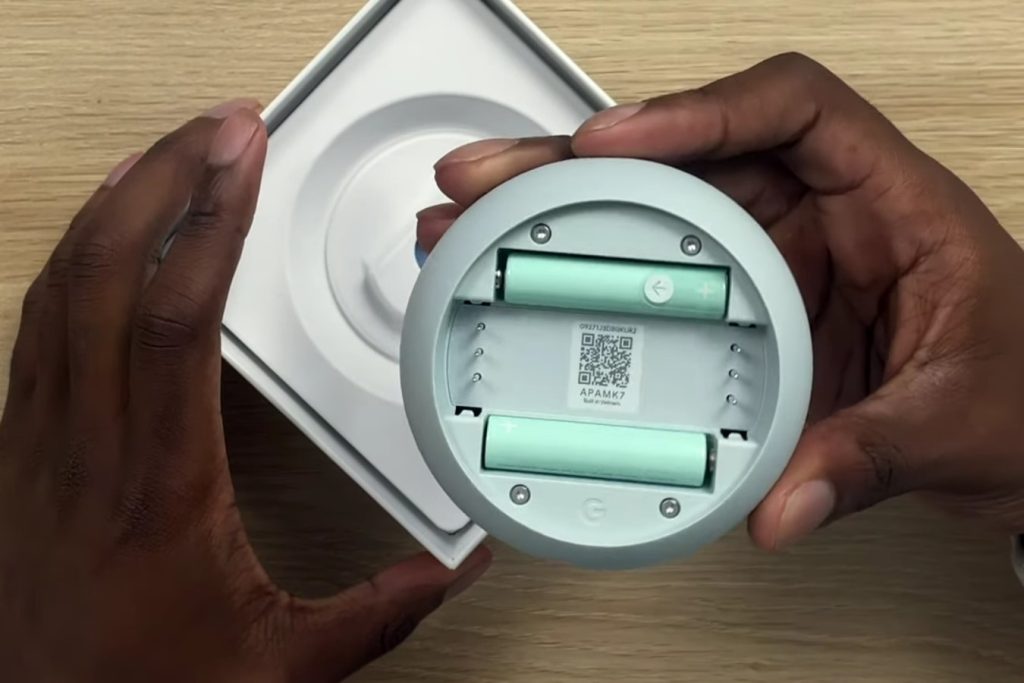
This difference highlights Nest's journey to make smart thermostats accessible to everyone, regardless of their home's wiring. It means some Nests are constantly charging, some are cleverly stealing power, and some are just chilling with a couple of AAAs. Who knew thermostats could have such diverse energy habits?
Why Should You Even Care About This Battery Drama?
Beyond the pure geeky fun, understanding this helps you troubleshoot! If your Nest is acting weird – losing Wi-Fi, showing a low battery warning, or making your furnace do funny things – knowing about the C-wire, power stealing, and internal batteries gives you clues. It's often a sign that your Nest isn't getting enough consistent power.
So, the next time you glance at your Nest, give it a little nod of appreciation. It's not just a thermostat; it's a mini marvel of engineering, constantly managing its power needs, cleverly drawing juice, and often keeping a secret battery tucked away, all to keep your home perfectly comfortable. Pretty cool, right?