
Cxc Chemokine Receptor Type 1 Market

Hey everyone! Ever hear of the CXC Chemokine Receptor Type 1 market? Yeah, it sounds super technical, right? But trust me, once you understand the basics, it’s actually pretty fascinating stuff! Think of it as the secret ingredient in a recipe for, well, better health.
So, what is this “CXC Chemokine Receptor Type 1” thing anyway? Let's break it down. Imagine your body is a bustling city, and cells are like little taxis, constantly moving around to where they're needed. Chemokines? They're the dispatchers, sending out signals to direct those taxis. And the CXC Chemokine Receptor Type 1? That’s the taxi's navigation system, specifically tuned to receive a particular dispatch signal.
Why Should We Care About This Navigation System?
Good question! See, this specific receptor (let's call it CXCR1 for short) plays a crucial role in the immune system. It helps white blood cells, our body's defense force, find their way to sites of infection and inflammation. Think of it like this: you have a bad guy (a virus or bacteria) causing trouble. CXCR1 is the GPS that guides the superhero white blood cells right to the location of the villain!
Must Read
But what if the GPS is faulty? What if the signal gets scrambled? Well, that can lead to problems. Inflammatory diseases, autoimmune disorders, even cancer – all of these can be linked to problems with CXCR1 signaling.
That's where the "market" part comes in. Researchers and pharmaceutical companies are working hard to understand how CXCR1 works and develop drugs that can either boost its signal (if it's weak) or block it (if it's too strong).
The Market: A Treasure Hunt for New Therapies
So, the "CXC Chemokine Receptor Type 1 market" basically refers to all the research, development, and potential treatments targeting this receptor. Think of it as a treasure hunt. Scientists are searching for the perfect molecule to interact with CXCR1 in a way that will improve health. Pretty cool, huh?
The players in this market? You’ve got big pharma companies, biotech startups, and academic research institutions all vying to find the next blockbuster drug. It's like a high-stakes game of chess, with millions (or even billions!) of dollars on the line.
What are they looking for? Well, imagine CXCR1 as a lock. Researchers are trying to find the perfect key – a drug molecule – that will either unlock the lock and boost its activity (useful for conditions where the immune system is weak), or jam the lock and block its activity (useful for conditions where the immune system is overreacting, like in autoimmune diseases).
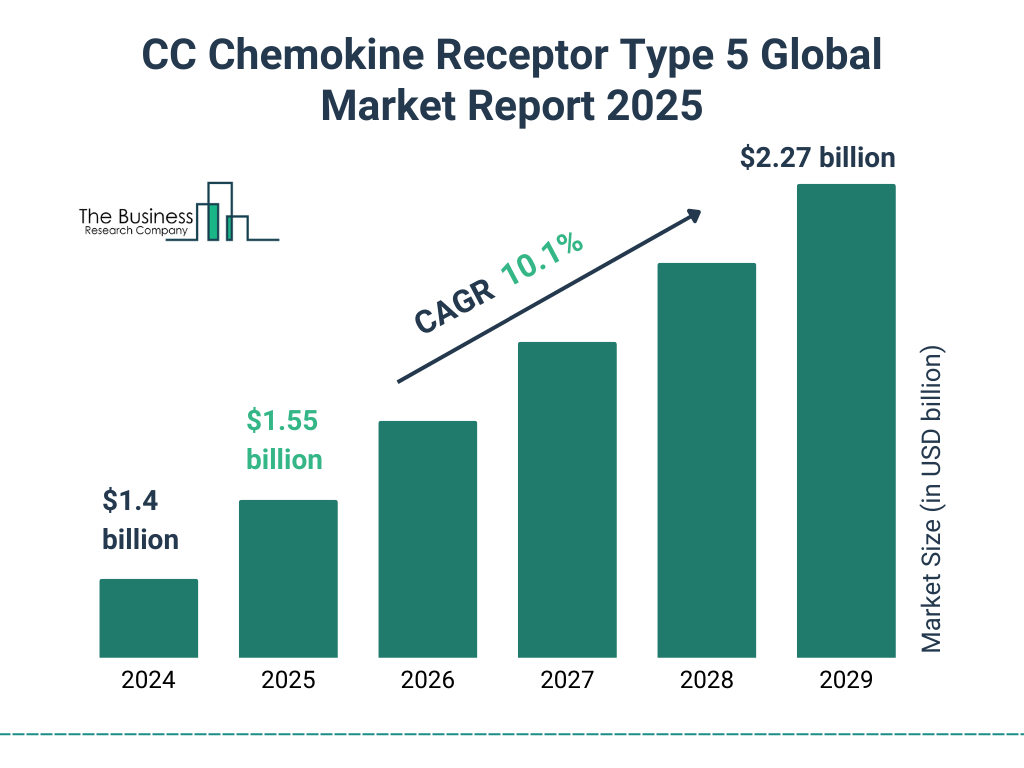
Why Is This Market Growing?
Several reasons! First, we're getting a better understanding of how CXCR1 is involved in various diseases. This means there are more potential targets for drugs. Second, advances in technology, like high-throughput screening and computational modeling, are making it easier to discover and develop new drugs that interact with CXCR1. Think of it like this: years ago, you had to search for your keys by blindly feeling around in your purse. Now, you can use a flashlight (better technology!) to quickly find what you need.
And finally, there's a growing need for new and effective treatments for inflammatory diseases, autoimmune disorders, and cancer. These are major health challenges, and CXCR1 offers a promising avenue for developing novel therapies.

The Future of CXCR1 Research
The future looks bright (and busy!) for the CXCR1 market. Researchers are exploring new and innovative ways to target this receptor, including:
- Small molecule inhibitors: These are like the "keys" we talked about earlier, small drug molecules that can block CXCR1 activity.
- Antibody therapies: These are like targeted missiles that specifically bind to CXCR1 and block its function.
- Gene therapy: This involves altering the genes that control CXCR1 expression, either to increase or decrease its activity.
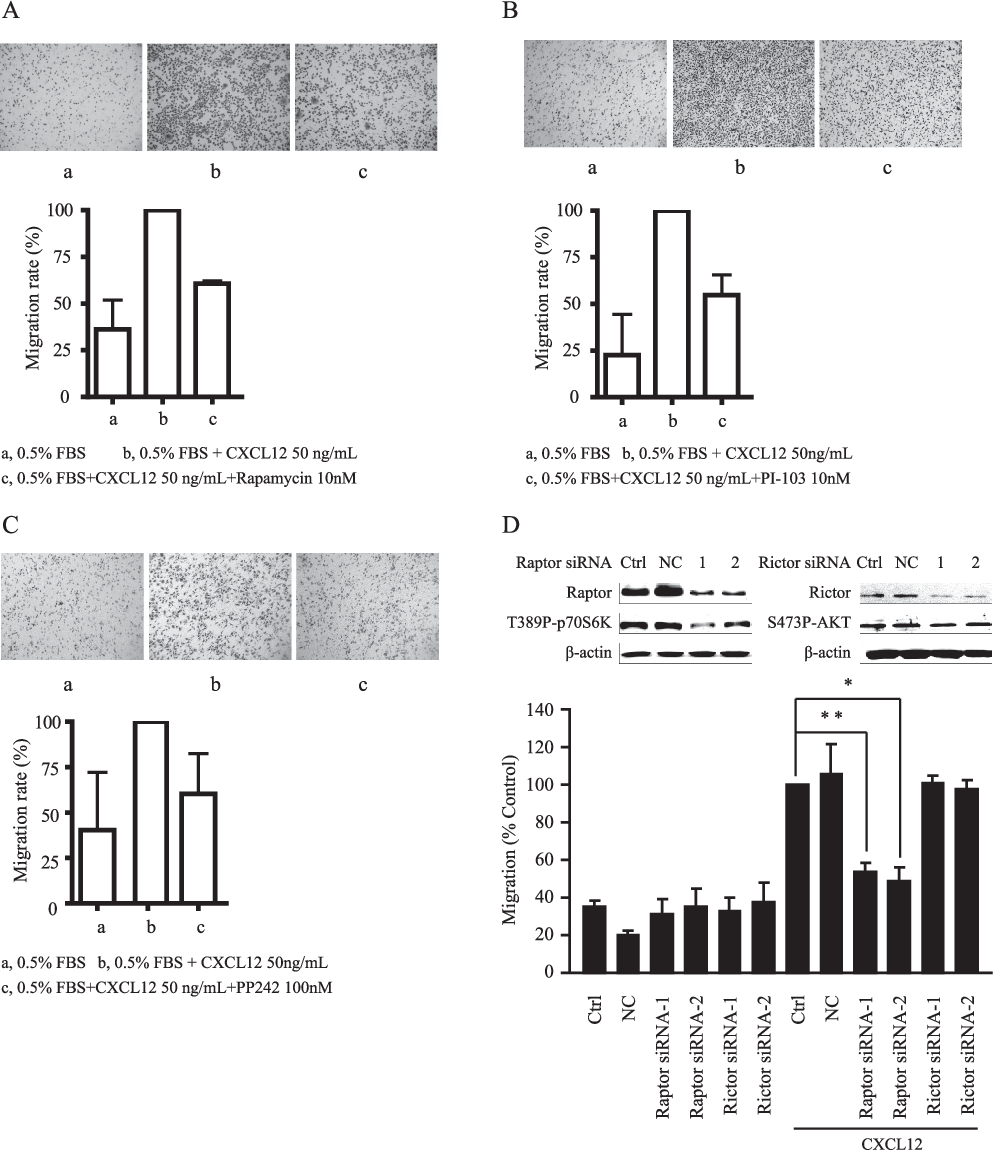
One of the most exciting areas of research is the potential to use CXCR1 inhibitors to treat cancer. Some cancer cells express high levels of CXCR1, which helps them migrate and spread to other parts of the body. By blocking CXCR1, researchers hope to prevent cancer metastasis, the process by which cancer spreads.
So, next time you hear about the CXC Chemokine Receptor Type 1 market, don't be intimidated! Remember, it's all about understanding how this tiny receptor plays a big role in our health and how scientists are working to develop new treatments that can improve our lives. It’s not just science; it’s a detective story with real-world consequences! Pretty neat, right?
