
Commensalism In The Savanna

Okay, picture this: You're chilling in your backyard, maybe grilling some burgers, and suddenly a robin lands on the fence. It’s not stealing your burger (phew!), but it IS eyeing the freshly turned soil from your little garden project. Worms are delicious, after all! That little scene, my friends, is a (very) simplified version of what we're diving into today: commensalism, specifically in the dazzling, dramatic setting of the African savanna.
And trust me, the savanna's version is way more exciting than my backyard. Although, maybe your backyard IS secretly a nature documentary waiting to happen... I wouldn't know!
So, what is commensalism? In the simplest terms, it's a relationship between two organisms where one benefits and the other is neither harmed nor helped. It's like one creature getting a free ride, a free meal, or some other perk, while the other is basically just…existing.
Must Read
The savanna, with its incredible biodiversity, is practically a commensalism playground. Let's look at some examples, shall we?
Vultures and Lions: A Clean-Up Crew of Opportunists
Think about lions. Majestic predators, kings of the jungle… and messy eaters. (Okay, technically savanna, not jungle, but “king of the savanna” doesn’t have quite the same ring, does it?) Lions take down a zebra, have their fill, and leave the leftovers. Now, a rotting zebra carcass isn't exactly ideal for the savanna ecosystem. Enter the vultures!
:max_bytes(150000):strip_icc()/commensalism-definition-and-examples-4114713-v2-706cadecce404b008d6620bb061841cc.png)
Vultures are the ultimate clean-up crew. They swoop in and devour the remains, preventing the spread of disease and generally keeping things tidy. The lions? They're completely unaffected. They got their meal. The vultures get a free buffet. Commensalism in action!
It’s worth nothing that some scientists argue this relationship leans towards mutualism (both benefit) because the lions get disease control as a result of the vultures’ scavenging, which is interesting food for thought!

Egrets and Grazers: Birds on the Move
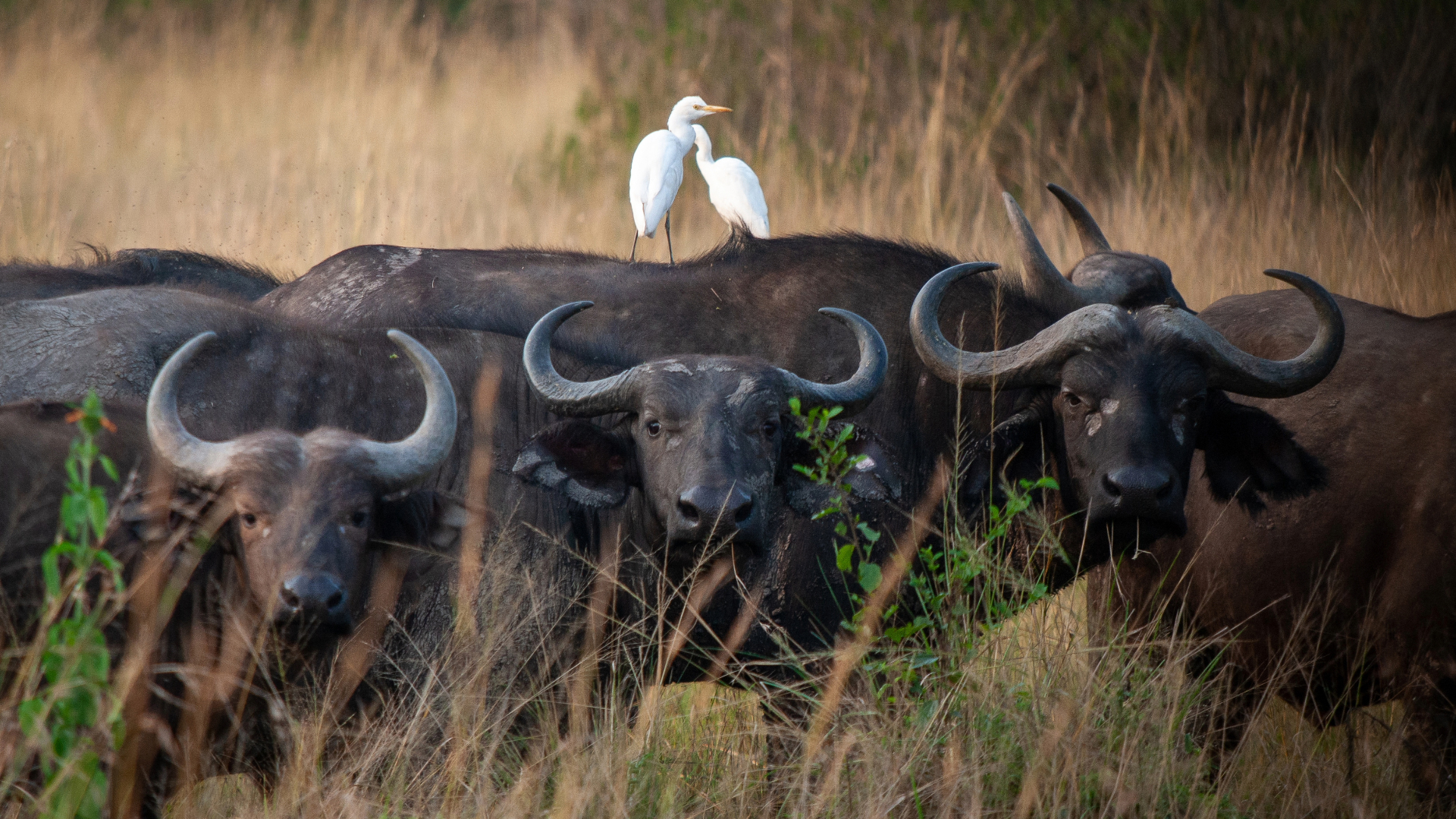
Another classic example involves those elegant birds, the egrets, and large grazing animals like zebras, wildebeest, or even cattle. Have you ever seen a bunch of white birds hanging around a herd of zebras? Those are likely egrets, and they’re not just there for the view (although the savanna sunsets ARE pretty spectacular, let’s be honest).
As the grazers move through the tall grasses, they stir up insects that would otherwise be hidden. The egrets, being clever birds, follow along and snatch up these insects. The grazers? They’re just going about their day, eating grass. They don't particularly benefit from the egrets' presence, but they're not harmed either.

Think of it like this: You're mowing the lawn and suddenly a bunch of robins show up to feast on the worms you’ve unearthed. You don’t really care; you’re just trying to get the lawn mowed. Same principle!
Tickbirds and Rhinos: A Bit of a Gray Area?
Okay, this one’s a little more complicated. You often see oxpeckers (also known as tickbirds) perched on rhinos, zebras, giraffes – pretty much any large mammal willing to put up with them. The oxpeckers eat ticks and other parasites off the animal's skin. Sounds like a win-win, right?
Well, that's what everyone used to think. The rhino gets parasite removal, and the tickbird gets a meal. However, some recent research suggests that oxpeckers might actually prolong the healing of wounds and even drink blood! This is where it gets interesting. If the tickbirds are actually harming the animal, the relationship shifts from commensalism to parasitism (where one benefits and the other is harmed) or even mutualism if the wound aggravation is negligible compared to the insect removal.
The savanna is a complex place, and these relationships are constantly evolving. This is why science is so fun because there’s always something new to discover!
So, there you have it! A glimpse into the fascinating world of commensalism on the savanna. Next time you're watching a nature documentary, keep an eye out for these subtle, yet vital, interactions. You might be surprised by how much is going on, even when it seems like nothing much is happening. And who knows, maybe you'll even spot some commensalism in your own backyard! (Just keep an eye on those robins…)