Carbon Monoxide Alarm Keeps Going Off

Ever woken up in the middle of the night to an insistent, piercing beep? Or perhaps you’ve been working from home, minding your own business, when suddenly your CO alarm decides it's time for a solo concert? While that incessant beeping can be incredibly annoying, turning a calm evening into a frantic search for the source, there's actually something pretty cool about it. Your carbon monoxide (CO) alarm, even when it’s driving you up the wall, is literally a tiny superhero in your home, constantly on guard against an invisible, odorless, and utterly deadly villain. Understanding why it keeps going off isn't just useful; it's a vital piece of the puzzle for keeping your household safe and sound.
So, what exactly is this little sentinel protecting you from? Carbon monoxide, often called the "silent killer," is a gas produced by the incomplete burning of carbon-containing fuels. Think furnaces, gas stoves, fireplaces, water heaters, and even car exhaust. The danger? You can't see it, smell it, or taste it. At high levels, it can overcome you quickly, leading to confusion, dizziness, and even death, often before you even realize anything is wrong. That’s where your CO alarm swoops in! It’s designed to detect even small amounts of CO in the air, giving you a crucial early warning that could literally save lives. It's your home's unseen guardian, offering invaluable peace of mind when functioning correctly.
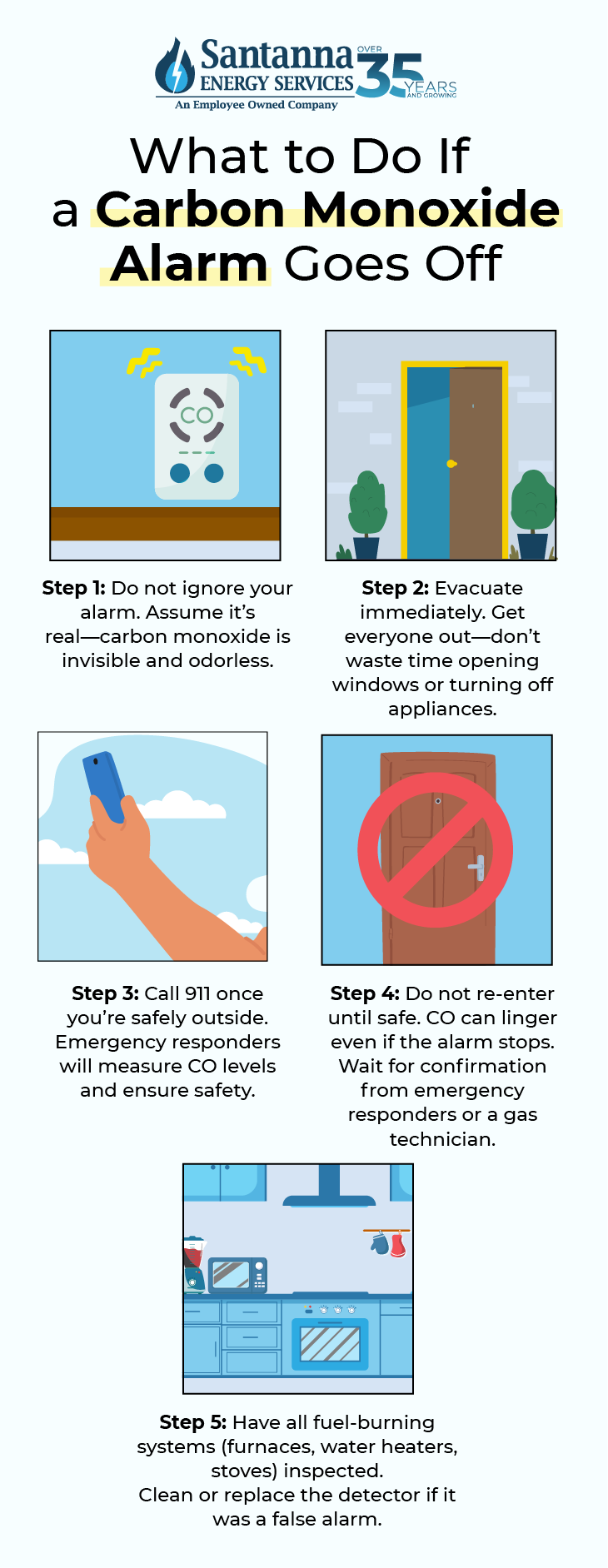
But back to the headache-inducing beeping: why does it keep going off? This is where our detective work begins! If your CO alarm is blaring continuously and loudly, this is a critical emergency. Your first step should always be to get everyone, including pets, out of the house immediately and call 911 from a safe location. Do not delay! There could be a dangerous leak of carbon monoxide. Paramedics and the fire department are equipped to test CO levels and ensure it's safe to re-enter.
Must Read
However, if your alarm is issuing intermittent chirps or beeps, particularly if it keeps doing it over time, it’s usually signaling something less immediately dire, but still important. One of the most common reasons for a persistent chirp is that the unit is nearing its end-of-life. CO alarms aren't designed to last forever; they typically have a lifespan of 5-10 years. Most units have an expiration date printed on the back – go check it! If it's expired, it's time for a replacement. Another frequent culprit is a low battery. Even hardwired units often have a battery backup. Try replacing the batteries with fresh ones to see if the chirping stops. Make sure to use the correct type recommended by the manufacturer.
Sometimes, dust or debris can interfere with the sensor, causing false alarms. Giving your unit a gentle vacuum or a wipe with a damp cloth (after turning off power if hardwired) can sometimes help. Placement also matters; if an alarm is too close to a combustion appliance like a furnace, or in an area with high humidity like a bathroom, it might occasionally trigger. Regardless of the reason, don't just silence it and forget it. An alarming alarm is always telling you something important. Take a moment to understand its language, and remember that this seemingly annoying beep is one of your home's most important safety features.