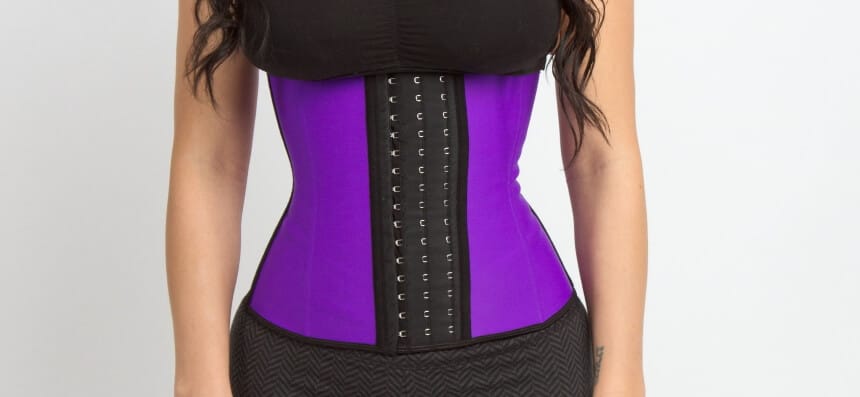
Can You Wear Waist Trainer To Sleep
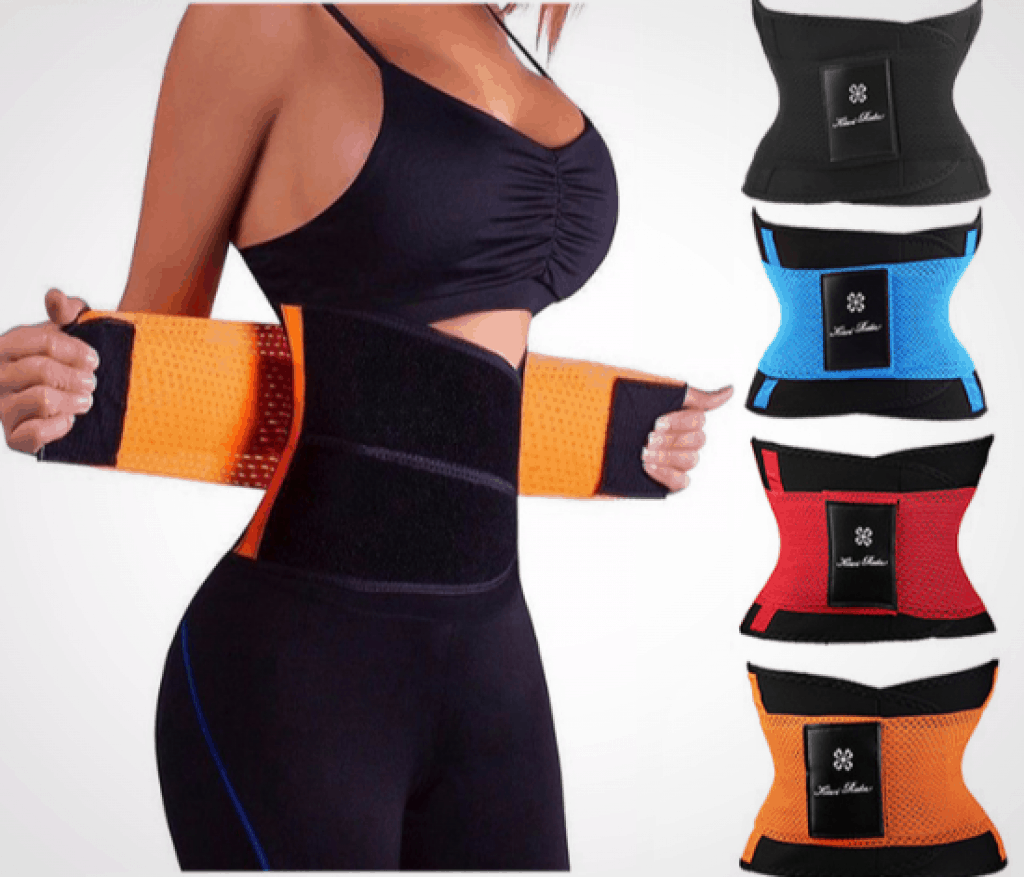
Let's talk about waist trainers! They're all over social media, promising snatched waists and hourglass figures. Whether you're intrigued by the potential slimming effects or simply curious about the hype, the question on many minds is: can you wear a waist trainer to sleep? It's a fun topic because it taps into our desire for quick results, but it's also important to approach it with a healthy dose of realism and safety.
The main purpose of a waist trainer is to temporarily compress your midsection. For beginners, the allure is often the instant slimming effect it provides under clothing. Families and individuals prepping for special events might see it as a quick fix for a confidence boost. Hobbyists, perhaps fitness enthusiasts or cosplayers, might explore waist training as part of a larger effort to achieve a desired physique. The perceived benefits range from improved posture (though evidence is limited) to a possible increase in perspiration during workouts.
However, wearing a waist trainer to sleep is generally not recommended. Think about it: your body needs to relax and recover during sleep. Constant compression can hinder this process. There are several reasons why overnight waist training is problematic.
Must Read
Firstly, it can restrict your breathing. When you're lying down, your diaphragm needs space to fully expand for deep, restful breaths. A tight waist trainer can impede this, leading to shallow breathing and potentially disrupting your sleep quality. Secondly, it can affect your circulation. Prolonged compression can restrict blood flow, particularly when you're not moving around. Thirdly, it can cause discomfort and even pain. Waking up with aches and pains is hardly conducive to a good night's rest.
There are variations in waist trainer designs. Some are made from more flexible materials, while others are more rigid. But even the most comfortable waist trainer is still designed to compress, and wearing it for extended periods, especially while sleeping, carries risks. Instead of sleeping in one, consider wearing a waist trainer for a few hours during the day, gradually increasing the wear time as you get more comfortable.

Simple, practical tips for getting started with waist training (the safe way!) include:
- Choose the right size. A waist trainer that's too small will be incredibly uncomfortable and potentially harmful.
- Start slowly. Wear it for only an hour or two at first, gradually increasing the time as you feel comfortable.
- Listen to your body. If you experience any pain, discomfort, or difficulty breathing, remove the waist trainer immediately.
- Don't rely on it for weight loss. Waist trainers are not a substitute for a healthy diet and exercise.
- Consult with a doctor. If you have any underlying health conditions, talk to your doctor before using a waist trainer.
Ultimately, while the idea of slimming down while you sleep might be tempting, prioritize your health and well-being. Waist training can be a fun experiment for some, but it's essential to do it safely and responsibly. Remember, consistency and a healthy lifestyle are the real keys to achieving your fitness goals. Enjoy exploring the world of waist training, but always put your health first!