
Can You Lay A Flat Screen On Its Back
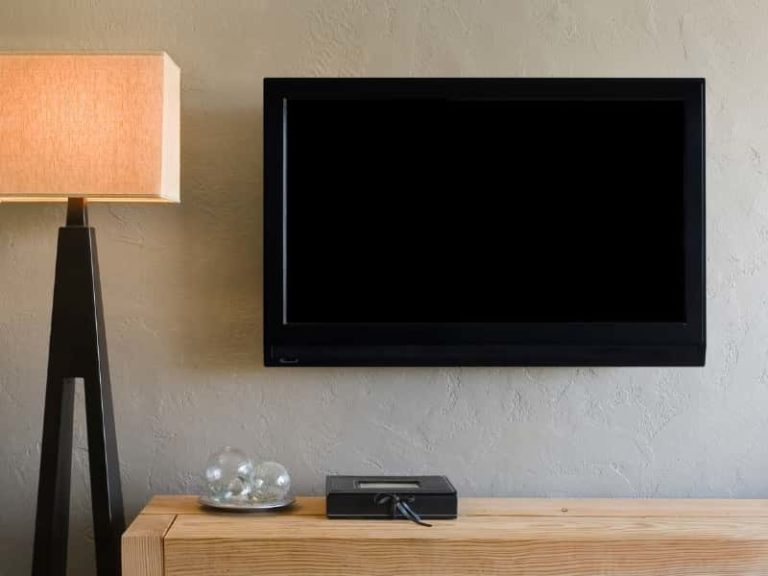
Alright, gather 'round, folks, grab your imaginary coffee, because we're about to dive into one of life's truly pressing mysteries, a question that has plagued homeowners, movers, and anyone who's ever dared to buy a new television: "Can you lay a flat screen on its back?"
Picture this: You've just shelled out a small fortune for that glorious, super-thin, 85-inch behemoth. It's the crown jewel of your living room, practically a portal to another dimension. You get it home, wrestle it out of the car, and then... a moment of pure, unadulterated panic sets in. Your tiny apartment's elevator is broken. The stairs are narrow. And your buddy, Dave, who promised to help, is suddenly "sick." You're left staring at this magnificent slab of technology, wondering if you can just, you know, lay it flat to squeeze it in the boot of your car for a quick trip, or carry it up the stairs like a giant pizza box. The struggle is real.
The Great TV Laying Debate: A Humorous Investigation
Let's be real, your gut instinct might be, "It's flat, it should be fine flat, right?" And to that, I say, "Whoa there, cowboy! Not so fast!"
Must Read
Remember those old CRT TVs? The ones that weighed more than a small car and could probably stop a bullet? Those things were tanks. You could drop one down a flight of stairs, and it would probably just scoff and ask for more. You could lay them on their back, their front, their side, probably even upside down, and they'd still fire up, ready to display your blurry VHS tapes. Ah, nostalgia. Those were the days of indestructible tech!
But my friends, we are no longer in the Stone Age of television. We live in an era of ultra-thin, ridiculously light, and surprisingly delicate displays. Your new flat screen is more like a prima ballerina than a battle tank. And like a ballerina, it prefers to stand tall.
Why Gravity Is Your Flat Screen's Arch Nemesis
So, why the big fuss? Why can't we just treat our precious pixels like a giant serving tray?
It all comes down to the delicate internals. Imagine your flat screen's panel – whether it's LCD, LED, or OLED – as a super-thin sheet of glass (or several layers, really). This glass is incredibly strong when force is applied evenly, straight on. But when you lay it flat, especially if it's not perfectly supported across its entire surface, gravity starts doing its evil work.
It's like balancing a long, thin ruler on two points. If you press down in the middle, it bends. Same principle here. The weight of the panel itself, combined with the slightest bump or unevenness during transport, can put immense pressure on the center of the screen. This stress can cause the glass to flex, leading to internal damage, pixel failures, or even a delightful spiderweb crack that will haunt your dreams.
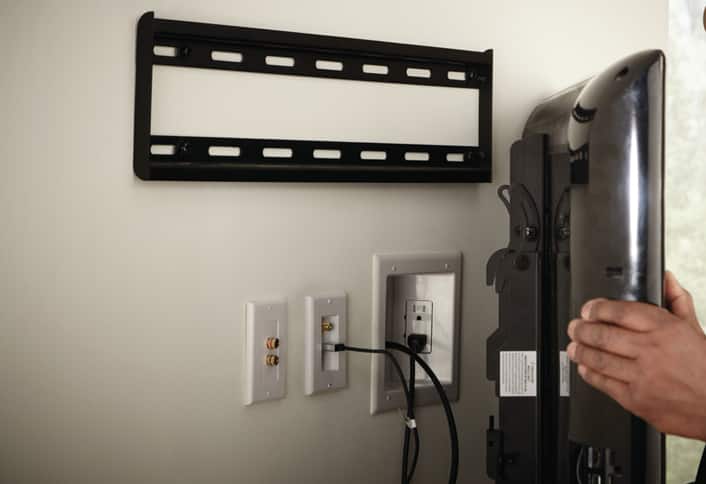
Think about it: the bezel (the frame around the screen) and the internal supports are designed to hold the screen's weight when it's standing upright or mounted. They're not built to distribute its weight evenly when lying flat. It's like asking a building's roof to support the entire structure if you suddenly flipped it on its side. It just wasn't designed for that particular existential crisis.
The "But It Was Shipped Flat!" Argument (and why you're not Amazon)
Ah, the classic counter-argument: "But my TV arrived in a flat box! It must have been lying flat in the truck!"

And you're not wrong... sort of. Factory packaging is a marvel of engineering. It's designed with custom-molded foam inserts that support the entire surface of the screen, distributing the weight evenly and absorbing shocks. It's built for rough-and-tumble logistics, not for you haphazardly tossing it into the back of your hatchback with your groceries and Fido.
Your car boot, no matter how plush, isn't a custom foam matrix. Every tiny bump in the road becomes a localized point of stress. Every sudden stop sends a jolt through the screen. It's like subjecting your TV to a mini-earthquake, repeatedly. Not ideal for its fragile innards.
So, What's the Verdict? (The TL;DR Version)
Can you lay a flat screen on its back? The short, sweet, and largely unambiguous answer is: "Avoid it at all costs if you value your pixels and your sanity."
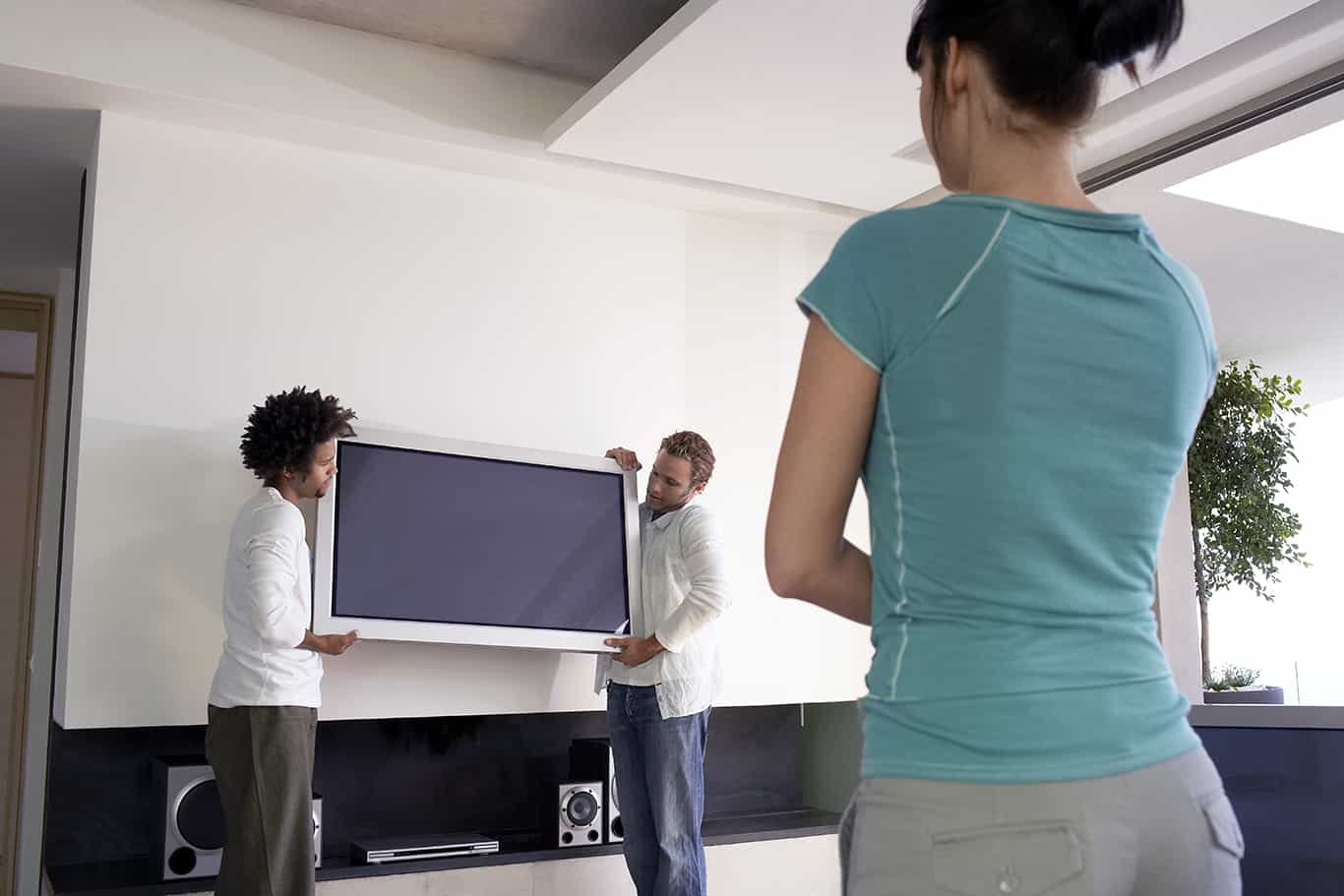
If you absolutely, positively must lay it flat for a very, very short period (like, moving it from one room to another with extreme caution), ensure it's on a perfectly flat, firm surface, fully supported across its entire screen, and for heaven's sake, don't stack anything on top of it. No cats, no kids, no other boxes, no half-eaten pizza. Nothing. Treat it like a sleeping dragon.
But for transport, especially in a vehicle? Always try to keep it upright. This allows the internal components to rest as they were designed, minimizing stress on the delicate panel. If the box says "This side up," they're not just being bossy; they're trying to save your investment from an untimely, pixelated demise.
So next time you're faced with the "lay it flat" dilemma, remember the ballerina, the sleeping dragon, and the very real threat of pixelated heartbreak. Your TV (and your wallet) will thank you.