Breaking A Lease Due To Financial Hardship
Let's face it, nobody really wants to think about breaking a lease. It's one of those things that hovers in the background, a potential "what if" scenario that hopefully never materializes. But understanding your options if facing financial hardship and needing to break a lease? That's power. It's like knowing where the emergency exits are in a building - you hope you'll never need them, but you're darn glad you know where they are!
The purpose of understanding this thorny topic is simple: to empower you. It’s about knowing your rights and responsibilities as a tenant, and understanding the potential consequences (and potential solutions!) if you find yourself in a situation where you can no longer afford your rent. The benefit? Avoiding even bigger financial problems down the road, and potentially saving your credit score from a major hit. Think of it as financial preparedness, a crucial skill for navigating the ups and downs of adulting.
How might this knowledge come in handy? Well, in a classroom setting, it could be part of a life skills curriculum. Imagine a module that teaches students about budgeting, renting, and understanding contracts. Discussing the possibility of financial hardship and how it impacts housing is a real-world application of those skills. Students could even participate in mock negotiations with a landlord to learn how to communicate their situation effectively. In daily life, maybe you’re chatting with a friend who’s just lost their job and is terrified about their lease. Knowing some basic information could allow you to offer helpful suggestions, point them toward resources, or simply be a more supportive friend.
Must Read
Okay, so you're curious. Where do you start? First, read your lease agreement. Carefully. This document is your bible in this situation. Pay attention to any clauses about early termination, subletting, or unforeseen circumstances. Next, research your state and local laws regarding tenant rights. These laws can vary significantly, and they'll dictate what protections you have. Many cities and states have tenant resource centers offering free or low-cost legal advice. Don't be afraid to reach out to them! Seriously, knowledge is your best weapon.
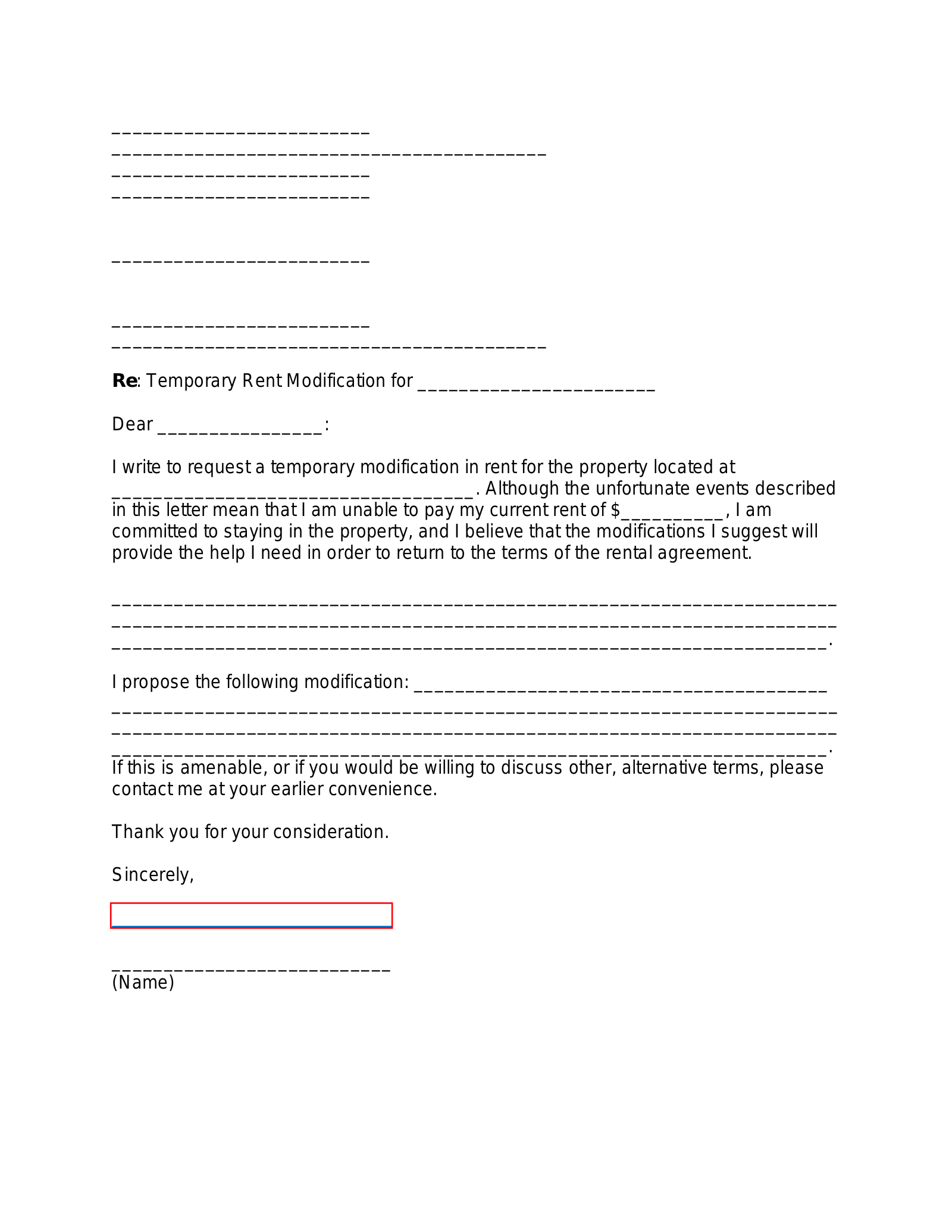
One practical tip: communication is key. Don't ghost your landlord. Explain your situation honestly and respectfully. Explore options like subletting the apartment, negotiating a payment plan, or finding a replacement tenant. Showing good faith can often lead to a more amicable solution. Another tip: document everything. Keep records of all communication, income loss, and expenses. This documentation can be invaluable if you need to pursue legal action. Remember, breaking a lease has financial consequences, like potential penalties or damage to your credit. But sometimes, it's the least bad option available. The key is to be informed, proactive, and prepared. And who knows, maybe by learning about this now, you'll never have to use it. But isn't it nice to know you could?