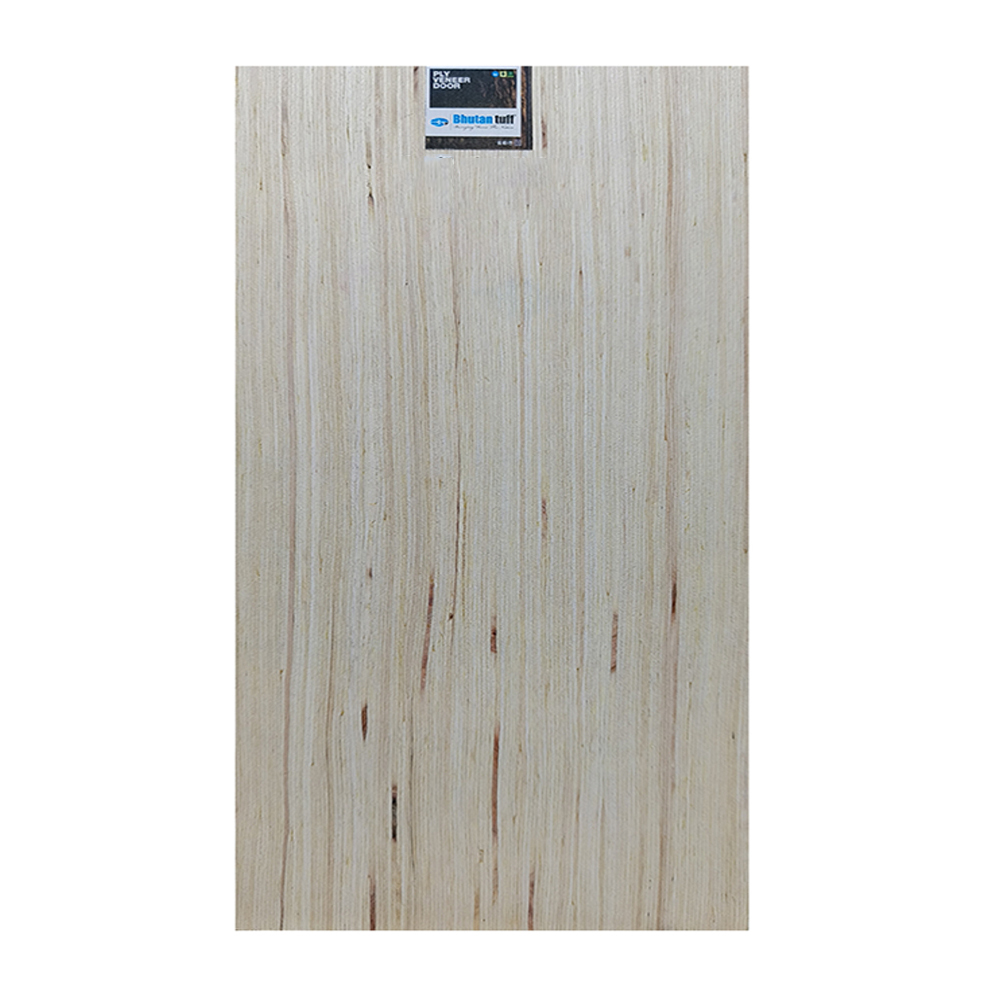
Bhutan Tuff Vs Century Ply
Choosing the right plywood can feel like navigating a jungle, especially when you're faced with options like Bhutan Tuff and Century Ply. But don't worry! It's actually a pretty interesting topic, and understanding the differences can save you money, time, and a whole lot of frustration. Think of it as equipping yourself for your next DIY adventure, home renovation, or even just understanding what your furniture is made of. We'll break down the key differences in a way that's easy to digest, even if you're a complete beginner.
So, why should you care about Bhutan Tuff versus Century Ply? Well, for beginners, it's all about getting a feel for the basics. Understanding the quality, durability, and cost of different plywood brands helps you make informed decisions. For families, it's about creating a safe and comfortable living space. Choosing the right plywood impacts the longevity of your furniture and the air quality inside your home. And for hobbyists and DIY enthusiasts, knowing the nuances of each brand is essential for achieving professional-looking results in your projects.
Let's start with Bhutan Tuff. It's generally known for its affordability and decent quality. Think of it as a reliable, everyday workhorse. It's great for projects where budget is a primary concern, like shelving in your garage or creating basic furniture frames. You might use Bhutan Tuff for creating the internal structure of a cabinet, then use a higher-grade plywood for the visible surfaces. However, bear in mind that the grade of plywood can vary within the brand itself.
Must Read
On the other hand, Century Ply is often considered a premium brand, known for its durability, resistance to moisture, and wider range of specialized options. This makes it suitable for more demanding applications. For example, Century Ply offers options like CenturyPly Club Prime, which is extremely resistant to borer and termite attacks, making it perfect for furniture in areas prone to these pests. They also offer products specifically designed for marine applications, where water resistance is paramount.
The variations are endless! You can find plywood designed for specific purposes, from furniture making to construction. Consider MR (Moisture Resistant) grade for furniture that might be exposed to humidity, or BWR (Boiling Water Resistant) grade for kitchens and bathrooms. Always check the manufacturer's specifications before making a purchase.

Simple Tips to Get Started:
- Feel the edges: Smooth edges generally indicate better quality.
- Check for delamination: Look for any separation between the layers of wood. This is a sign of poor adhesion and potential weakness.
- Read reviews: See what other users are saying about their experiences with the different brands.
- Don't be afraid to ask: Hardware store employees are often knowledgeable and can guide you based on your specific needs.
Ultimately, choosing between Bhutan Tuff and Century Ply depends on your specific project, budget, and desired level of quality. There's no right or wrong answer, only the best choice for you. With a little research and a bit of hands-on experience, you'll be navigating the plywood aisle like a pro in no time. So go ahead, embrace the world of wood, and have fun creating something amazing!