
Best Uv Light For Nail Fungus
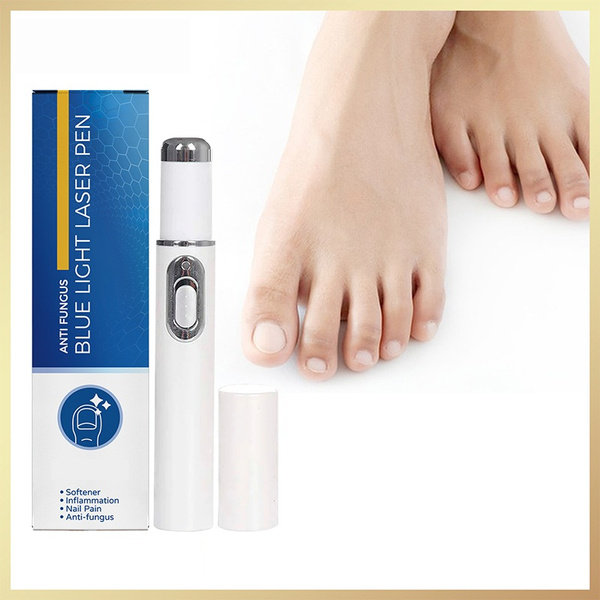
Let's face it, nobody wants to talk about nail fungus. But if you're reading this, chances are you're either dealing with it or know someone who is. It's a common problem, and while it's not usually dangerous, it can be unsightly and persistent. And while topical treatments are the most familiar solution, what about this whole UV light thing? Does it really work, and if so, what's the deal?
Think about it. We love the feeling of clean, healthy nails. For many, manicures and pedicures are a form of self-care, a way to express personal style, and boost confidence. Strong, clear nails are simply more appealing! So, when fungus crashes the party, it's understandable to want to explore every possible solution to restore our nails to their former glory.
Enter UV light therapy. The principle behind using UV light for nail fungus is that certain wavelengths of ultraviolet light can disrupt the fungal cells' DNA, hindering their ability to grow and multiply. It's a similar concept to how UV light is used to sterilize surgical equipment or purify water. The goal is to target the fungus without harming the surrounding healthy tissue. While not as widely discussed as topical creams or oral medications, it's gaining attention as a potentially effective alternative, especially for those seeking non-pharmaceutical options.
Must Read
You might encounter UV light treatments in a few different ways. Some dermatologists offer in-office UV light therapy specifically for nail fungus. These treatments typically involve using a specialized device to deliver a concentrated dose of UV light to the affected nail(s). There are also at-home devices available that are designed for similar purposes. These devices vary in strength and features, often resembling small nail lamps or wands. Some nail salons even offer UV treatments alongside their regular services, though it's crucial to confirm that they're using a device specifically designed for treating fungus and not just a regular nail-drying lamp.

So, how can you make the most of UV light therapy if you choose to pursue it? First and foremost, consult with a dermatologist or podiatrist. They can properly diagnose your nail condition, determine if UV light therapy is appropriate for you, and advise on the best course of treatment. Be wary of devices that make exaggerated or unsubstantiated claims. Look for products that have been clinically tested and ideally, recommended by a healthcare professional.
If you're using an at-home device, always follow the manufacturer's instructions carefully. This includes the recommended treatment time and frequency. Overexposure to UV light can damage your skin, so it's crucial to adhere to the guidelines. In addition, remember that UV light therapy may not be a standalone cure. It might be most effective when combined with other treatments, such as topical antifungals. Finally, be patient! Nail fungus can be stubborn, and it can take several months to see noticeable improvement. Consistency is key. Keep your nails trimmed and clean, and avoid wearing tight shoes that can create a moist environment conducive to fungal growth. And remember, healthy nails are happy nails!


