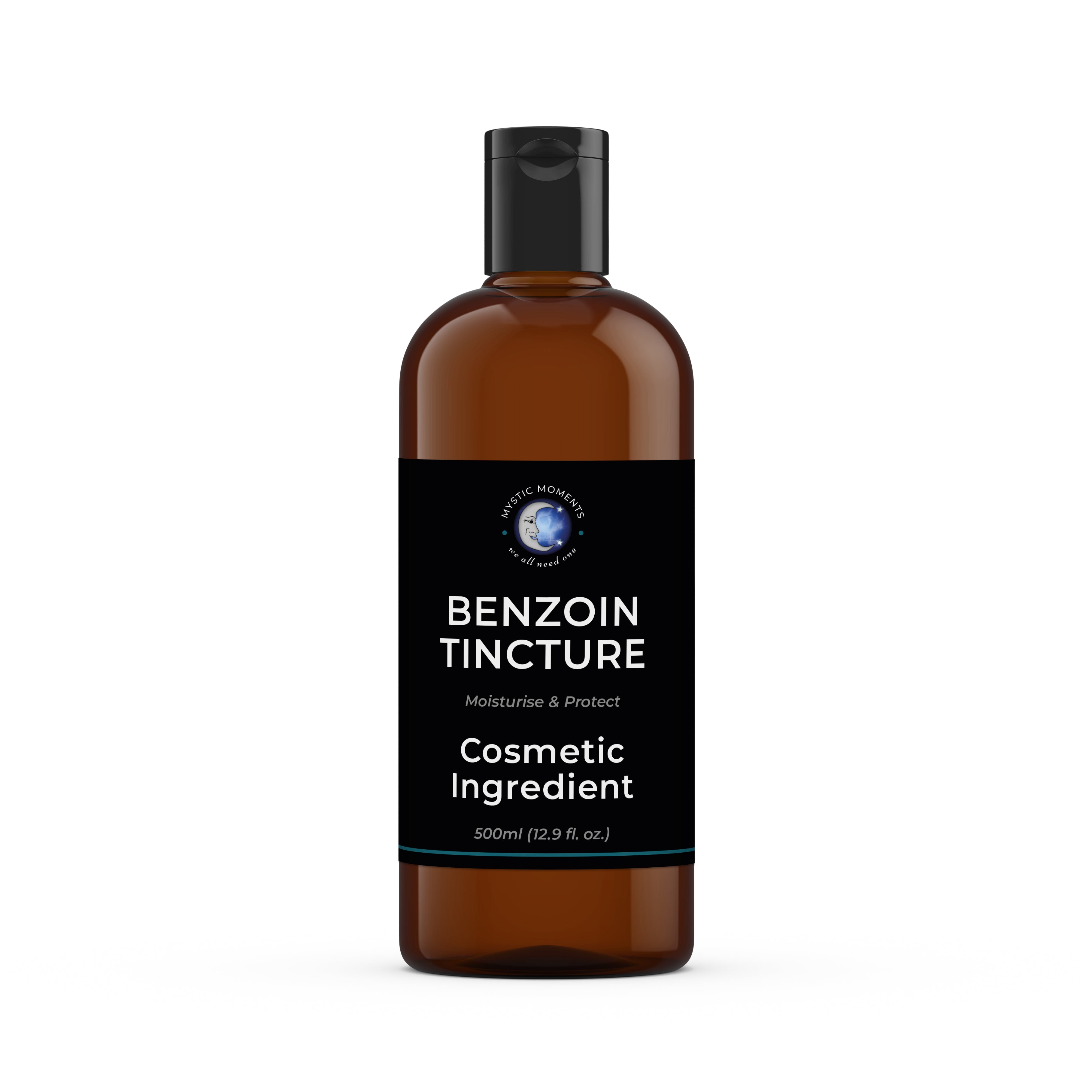
Benzoin Tincture Vs Betadine
We've all been there, haven't we? A scraped knee from an overzealous attempt at skateboarding, a stubborn paper cut that just won't quit bleeding, or maybe even the nagging feeling that a minor wound needs a little extra TLC. That's when many of us reach for the first-aid kit and find ourselves facing a choice: Benzoin Tincture or Betadine. Both claim to be our skin's best friend, but how do they truly stack up against each other? It’s like choosing between a hug and a soldier standing guard – both comforting, but in very different ways!
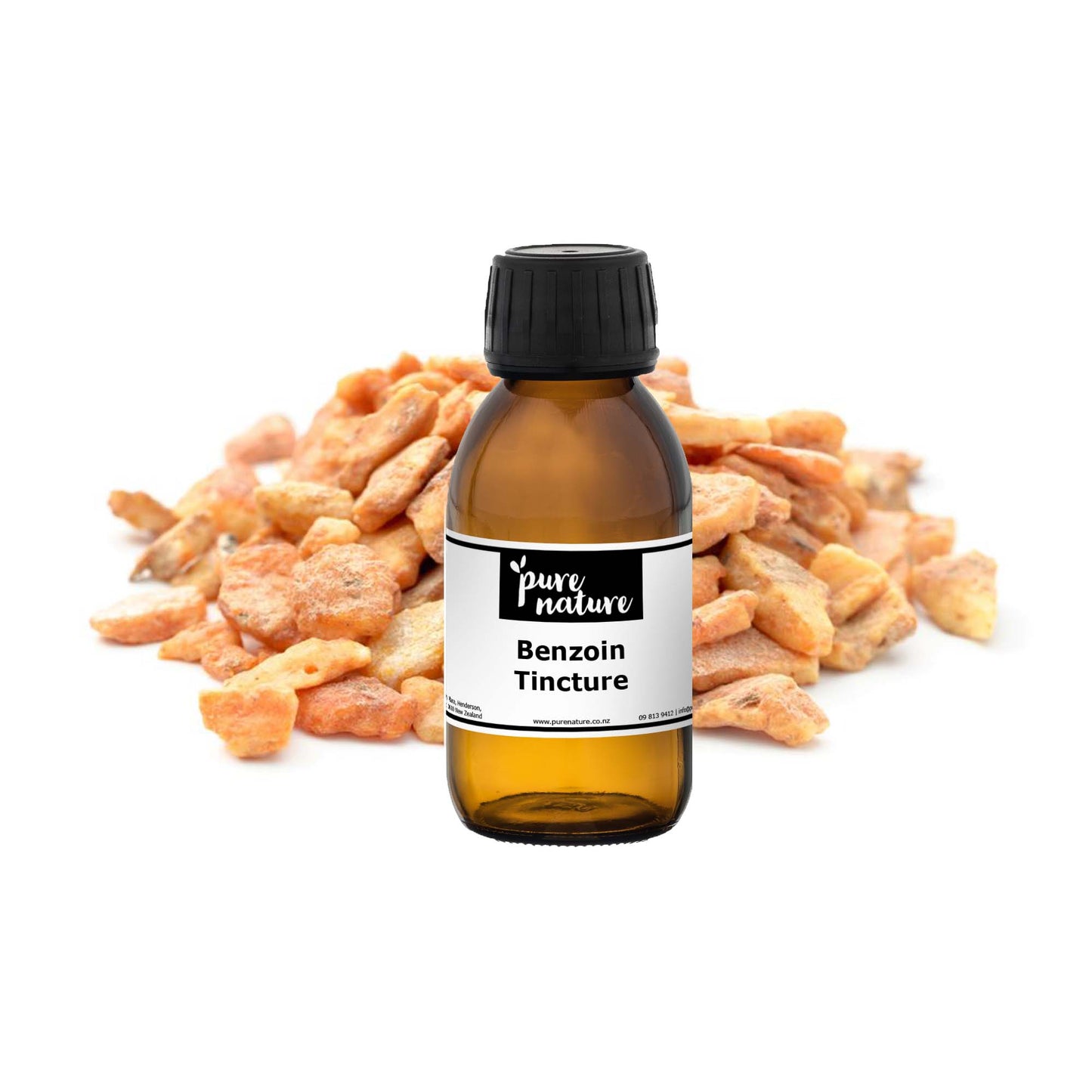
Let's start with Benzoin Tincture. Think of it as the ultimate bandage enforcer. Its main purpose isn't necessarily to kill germs (though it might have some mild antiseptic properties). No, Benzoin Tincture is all about creating a super sticky surface. Apply it to your skin before you slap on that Band-Aid, and it'll grip like a barnacle to a boat. This is especially useful for awkward spots like knuckles, elbows, or anywhere that movement threatens to dislodge your precious dressing. It's also a champion for protecting skin before applying tapes for medical devices, or athletic tape for sports. Imagine securing your athletic tape perfectly before a big game - that peace of mind is pure gold!
On the other hand, we have Betadine, the iodine-based powerhouse. Betadine's strength lies in its broad-spectrum antiseptic abilities. It's the germ-killing commando of the first-aid world. When you apply Betadine, you’re essentially waging war on bacteria, viruses, and fungi that could potentially cause an infection. It's often used to prep skin before surgery, clean wounds, and even treat skin infections. You might see it used in hospitals, clinics, and of course, your trusty home first-aid kit. The peace of mind knowing you've given that scrape a thorough germ-killing is something Betadine confidently delivers.
Must Read
So, how do you choose the right one? Well, it really depends on the situation. For a minor scrape that's already been cleaned, and you just need a bandage to stay put, Benzoin Tincture is your go-to. A tiny dab before applying the bandage is all it takes. But, if you're dealing with a wound that looks a little deeper, dirtier, or you're just generally concerned about infection, Betadine is the better option. Remember to clean the wound thoroughly first and then apply the Betadine according to the package instructions.
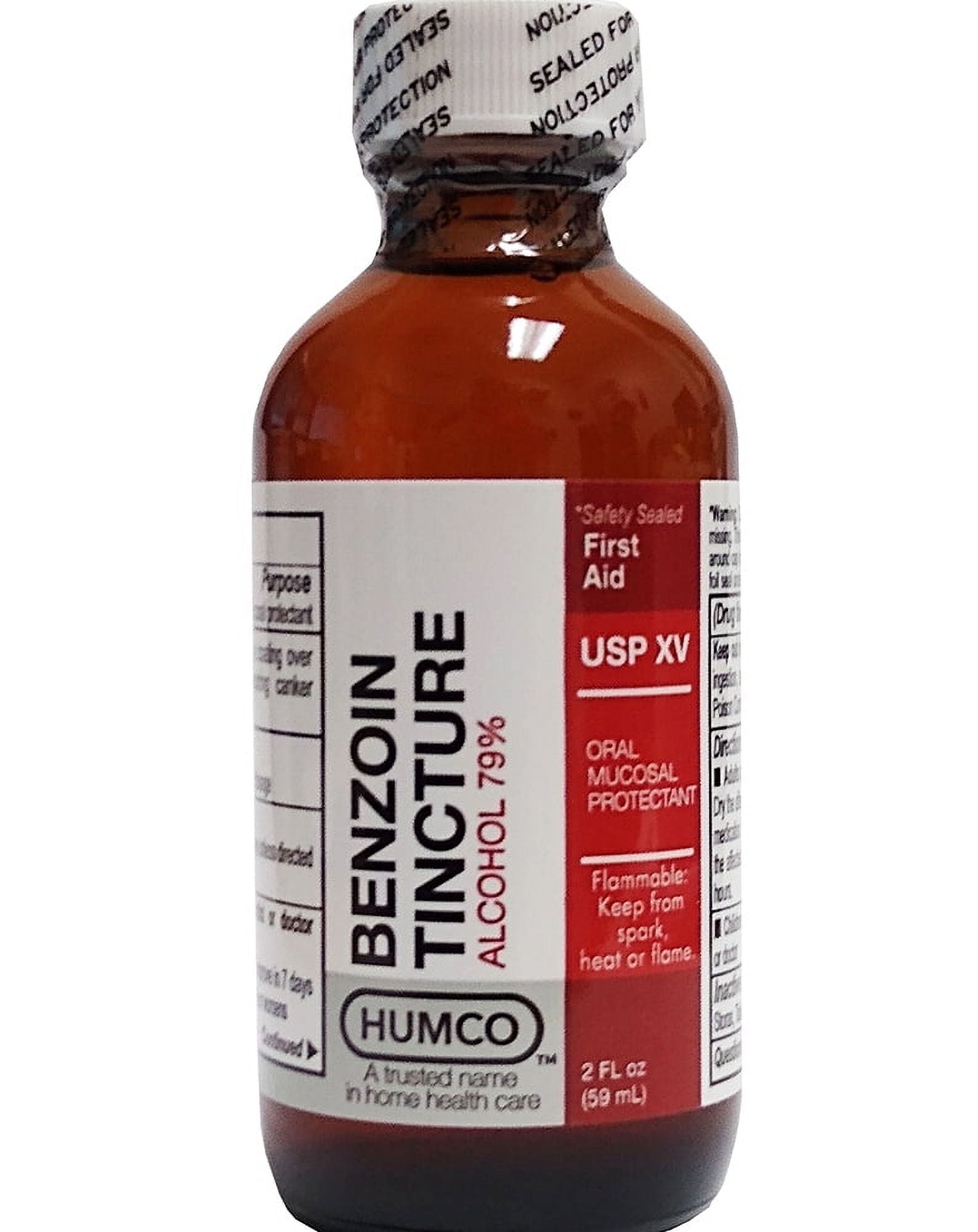
Here are some practical tips to get the most out of both: Benzoin Tincture can be a bit sticky (obviously!), so apply it sparingly and let it dry for a moment before applying your bandage. If you get it somewhere you don't want it, rubbing alcohol usually does the trick. For Betadine, be aware that it can stain clothing, so be careful during application. Also, some people are allergic to iodine, so do a small test patch if you're unsure. Finally, neither of these products are meant to be ingested. Keep them out of reach of children, and remember, when in doubt, consult a medical professional!
Ultimately, both Benzoin Tincture and Betadine are valuable tools in your first-aid arsenal. Understanding their strengths and weaknesses will help you make informed decisions and keep your skin happy and healthy. So go forth, conquer those minor scrapes and cuts, and remember to choose your first-aid champion wisely!