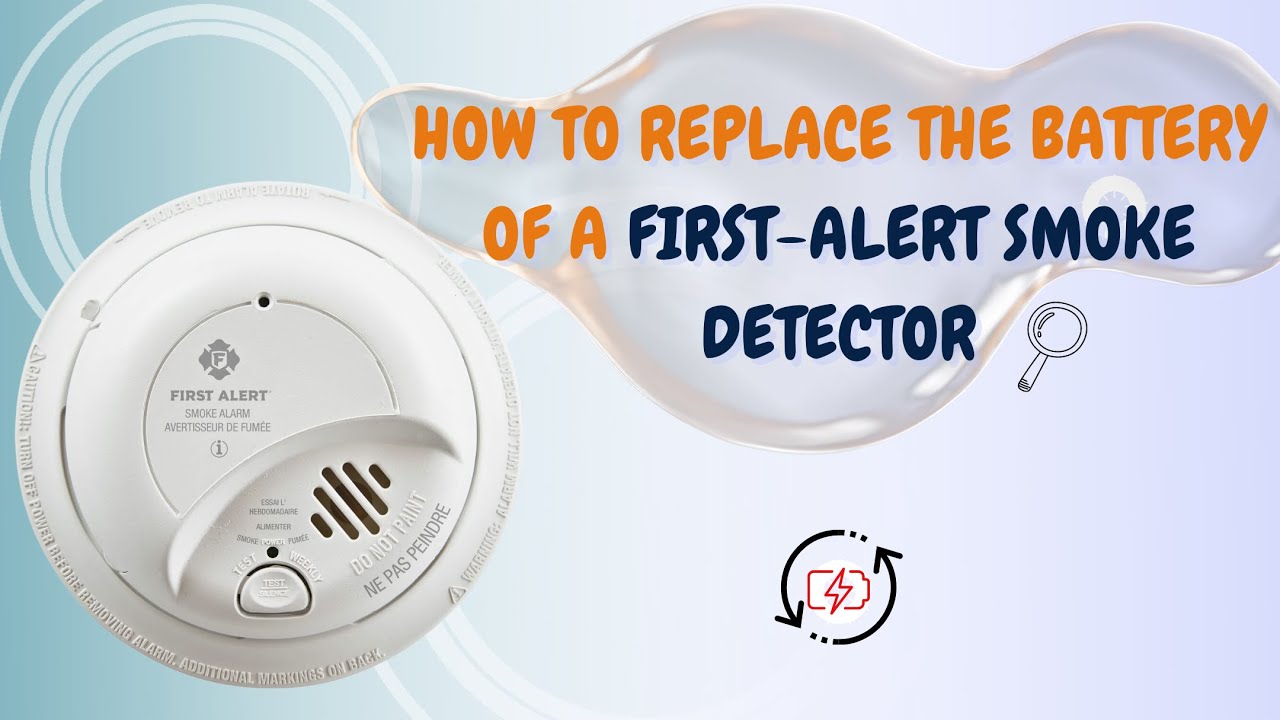
Batteries For First Alert Smoke Detector
Ah, the smoke detector. It's that unassuming little gadget on your ceiling that often gets forgotten, until it decides to pipe up at 3 AM with an insistent, ear-splitting chirp. We've all been there, stumbling out of bed in a groggy haze, trying to figure out which one of the several detectors in the house is demanding attention. Well, guess what? That tiny little chirp is actually a superhero's signal – a desperate plea from your First Alert smoke detector that its power source is running low. And that, my friends, is why the humble battery for your smoke detector is not just useful, but actually quite fascinating!
Think of it this way: your First Alert smoke detector is your silent guardian, ever-vigilant against the unseen dangers of fire and carbon monoxide. But even superheroes need their fuel, and for these crucial devices, that fuel comes in the form of batteries. The primary purpose? To ensure your detector is always on duty, ready to provide an early warning when every second counts. Without a charged battery, your detector is just, well, a piece of plastic on the ceiling. The benefit is simple yet profound: peace of mind. Knowing that your home and loved ones are protected is priceless, and it all starts with those little power cells.
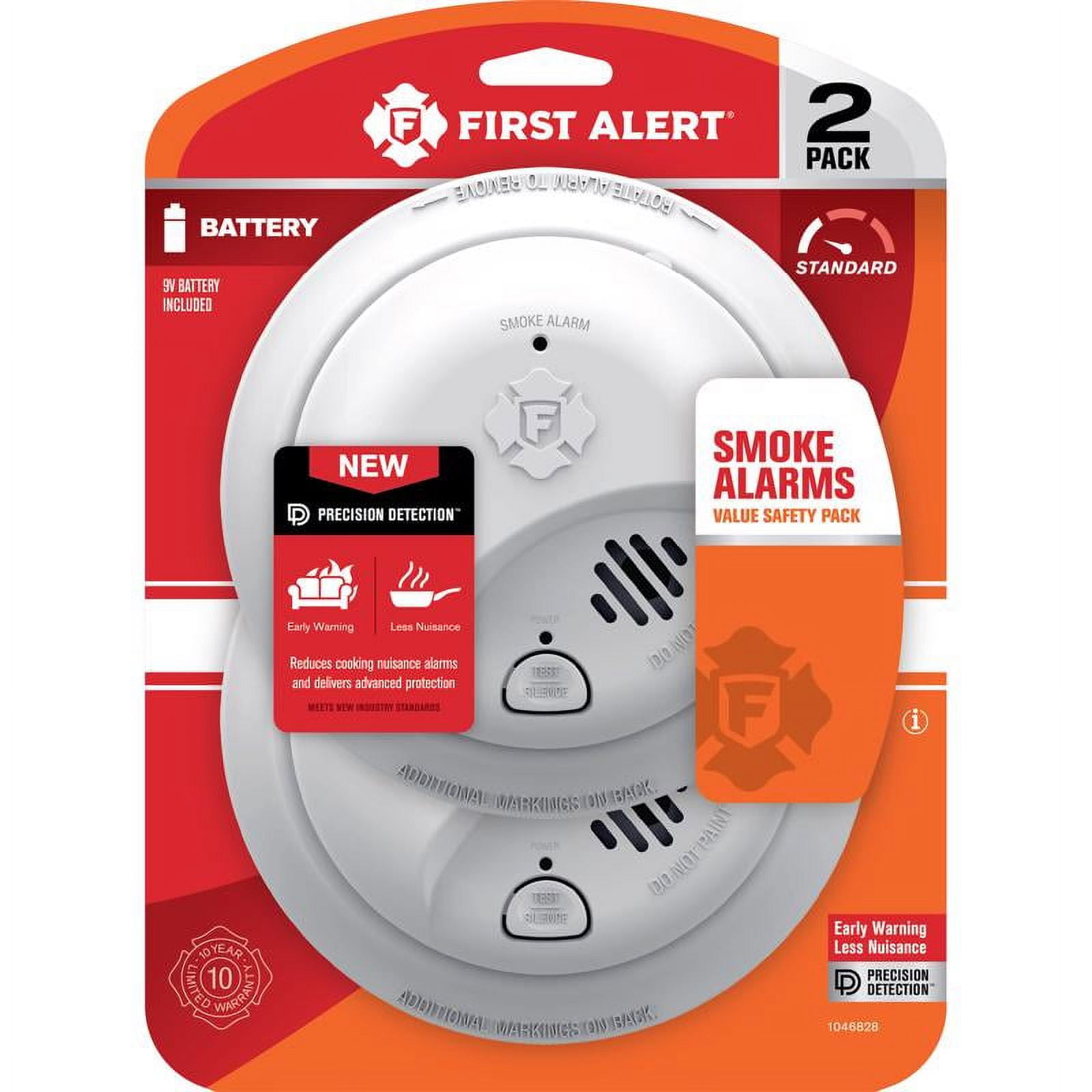
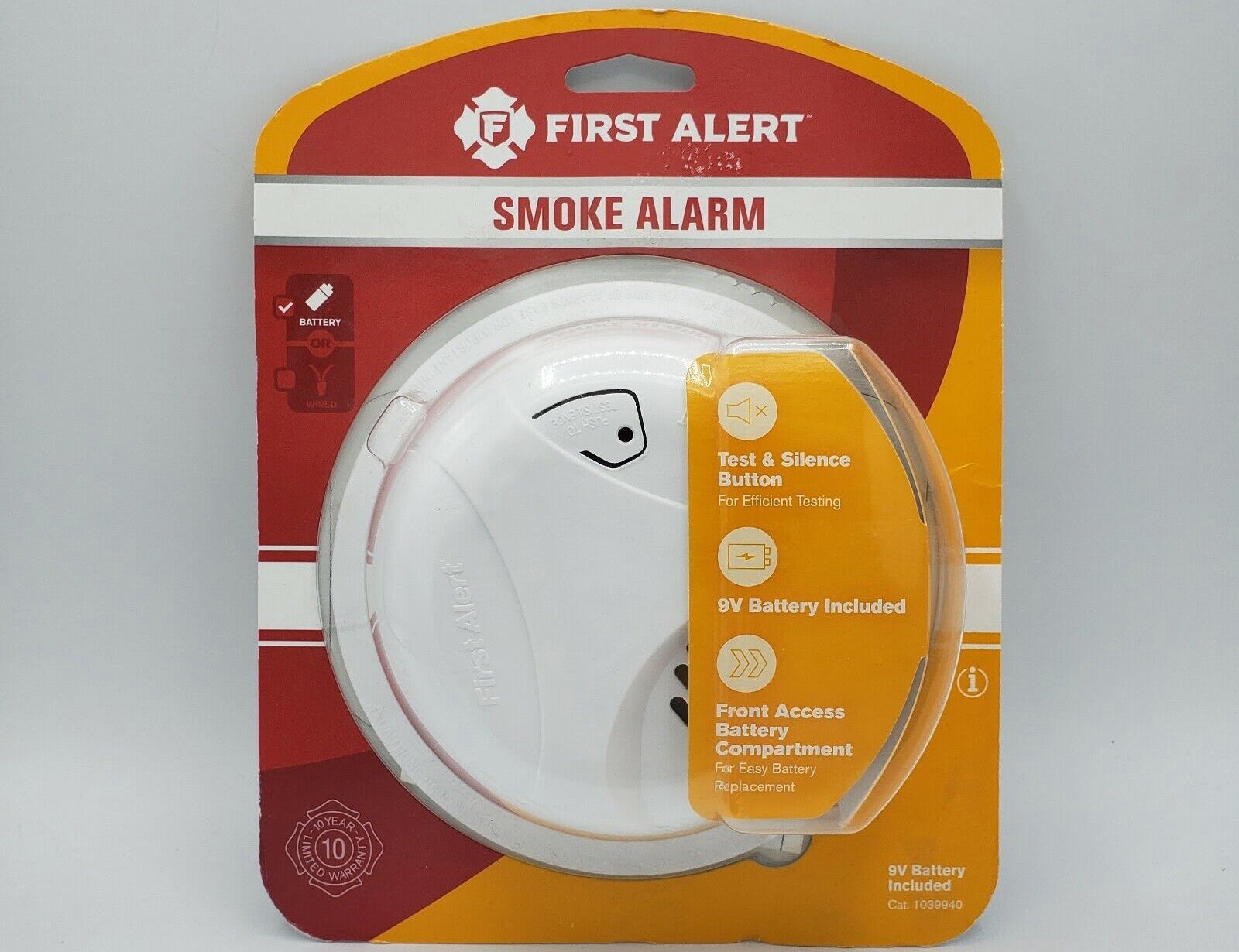
So, what kind of batteries are we talking about? Most First Alert smoke detectors rely on the classic 9-volt battery, which has been the standard for decades. Some models might use AA batteries, so it's always good to check your specific unit's manual. But here's where it gets exciting for the modern homeowner: lithium batteries. While a standard alkaline 9V battery might last about a year, a lithium 9-volt battery can keep your First Alert detector powered for up to 10 years! Imagine a decade of uninterrupted protection, without that dreaded midnight chirp. This longevity isn't just convenient; it ensures your detector is less likely to be without power due to forgotten annual replacements.
Must Read
Beyond the type, the benefits of proactive battery management are huge. First, it guarantees the life-saving functionality of your smoke detector. An operational alarm provides those critical moments needed to escape a fire or address a carbon monoxide leak. Second, it saves you from the sheer frustration of that 3 AM "battery low" signal. A quick annual check and replacement (for alkaline batteries) or a decade-long peace of mind (with lithium) means uninterrupted sleep and a happier household. Remember to test your First Alert detectors monthly by pressing the test button – it’s a simple habit that confirms they're working correctly.
In conclusion, the batteries powering your First Alert smoke detector are far more than just small cylinders of chemicals; they are the lifeline of your home safety system. Investing in good quality, long-lasting batteries, especially lithium ones, and establishing a regular maintenance routine, transforms this often-overlooked task into a powerful act of protection. So, next time you think about batteries for your smoke detector, remember you're not just replacing a power source; you're renewing your home's guardian and securing your family's safety and well-being. Now, go check those chirpers!