Ever look at your desktop computer, humming away, and wonder what kind of secret energy party it's throwing? You know, the one powered by your humble wall socket?
It's not just a box of magic, after all. It's a hungry box of circuits, screens, and whirring fans. And it needs juice.
The Great Desktop Power Mystery
Many of us plug in our machines, hit the power button, and forget all about the invisible power lines. Out of sight, out of mind, right? Not quite.
Your desktop isn't a silent energy ninja. It's more like a friendly, persistent diner, always ordering something from the power grid menu.
We often worry about our big appliances. The fridge, the washing machine. But what about that glowing rectangle and its companion tower?
Who's Drinking All The Power?
Let's talk about the main culprits. First, there's the computer tower itself. This is where the real brainpower, or rather, electrical power, lives.
Inside, you've got the CPU, the central processing unit. It's like the conductor of an orchestra, and conducting takes energy.
Then there's the GPU, or graphics processing unit. If you're into gaming or graphic design, this is the rockstar of your system, demanding a spotlight and a lot of power.
Don't forget the monitor! That bright, beautiful screen isn't just a pretty face. It also needs a constant stream of electricity to light up your digital world.
Even your humble peripherals, like your mouse, keyboard, and speakers, are sipping a little power. They're like the quiet background guests at the energy party.
Not a Monster, But Not a Mouse
So, how much juice are we really talking about? It's not as much as running a giant server farm. But it's certainly more than a single LED light bulb.
PC power consumption and electricity cost
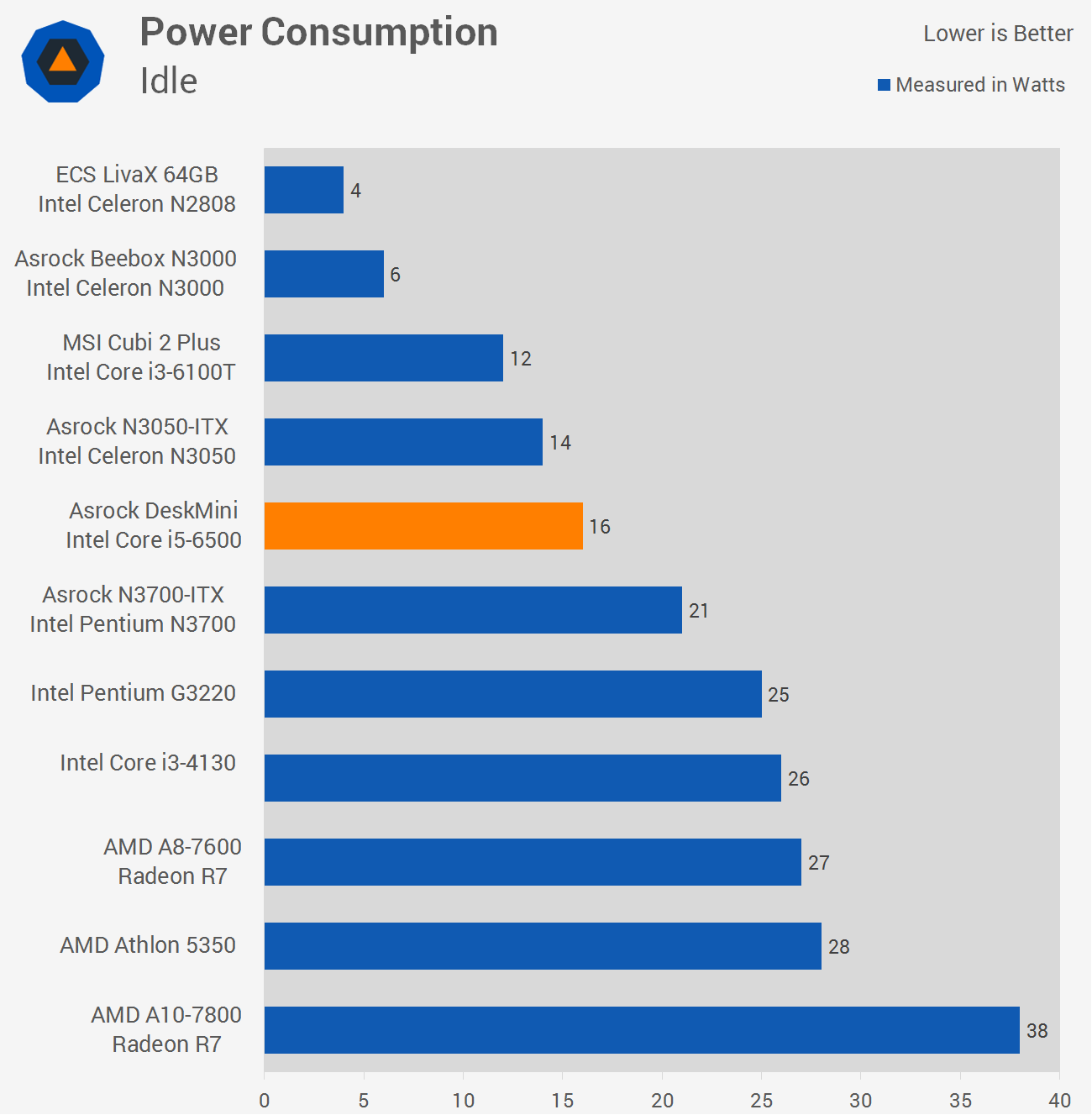
For a typical, everyday desktop computer – think browsing, word processing, streaming videos – the tower might pull around 60 to 120 watts.
Add in a standard monitor, which usually consumes another 20 to 40 watts. Suddenly, your average setup is looking at 80 to 160 watts during active use.
That's like having a couple of old-school incandescent light bulbs on. Not terrifying, but not nothing either.
When the Computer Gets Enthusiastic
Now, if you're a gamer, or if you edit videos, or if you're just a power user running lots of demanding programs, your desktop starts to flex its muscles.
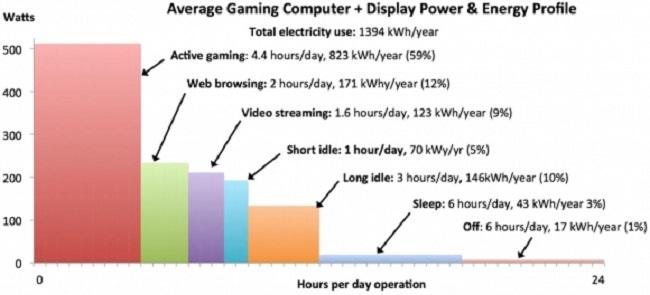
A gaming PC, especially one with a powerful graphics card, can easily jump to 200 to 400 watts or even more under heavy load. Those epic explosions don't render themselves!
This is where your computer truly becomes a little energy athlete. It's working hard, and it needs the calories to match.
It’s important to remember that these are peak numbers. Your computer isn’t always running at full throttle, unless you’re constantly battling digital dragons.
The Unpopular Opinion: It's More Than You Think, Less Than You Panic About
“Your desktop isn't the energy guzzler of your deepest fears, but it's definitely not a power-sipping pixie either. It occupies a delightful, slightly greedy middle ground.”
How Much Energy Does a Computer Use? And How You Can Save - VITALITY IO
Many people assume their computers are either incredibly efficient or giant energy hogs. The truth, as always, is a little more nuanced.
Modern computers are actually quite efficient compared to their ancestors. Engineers work hard to squeeze performance out of less power.
But they still need a significant amount of electricity to perform their magic. Especially when you push them hard.
Think of it this way: your computer has a diet. Light browsing is like a salad. Gaming is like a double cheeseburger with extra fries.
What About When It's Sleeping?
Ah, the mystery of sleep mode! Is your computer truly resting, or is it just pretending?
When your desktop goes to sleep, it significantly reduces its power consumption. It might drop to as low as 1 to 10 watts.
That's a huge difference from its active state. It's like your computer is taking a very light nap, ready to wake up quickly.
However, it's not zero. There's still a tiny trickle of power keeping things ready. It's a bit like a car in neutral, still burning a tiny bit of fuel.
Desktop Computer Power Consumption at Ruth Tolbert blog
A full shutdown, on the other hand, brings consumption almost to zero, except for any lingering standby power from power bricks.
Putting it in Perspective
How does this compare to other things around your house? A standard refrigerator might use 100 to 200 watts when its compressor is running.
So, your desktop during heavy use can rival a fridge in terms of instantaneous power pull. But a fridge runs intermittently all day.
Your computer only pulls those higher numbers when it's actively working hard. For most of its life, it's chugging along at a more modest rate.
Consider a typical light bulb (LED) which uses 5-15 watts. Your desktop is definitely more power-hungry than one of those!
The Accumulated Hum
It's not just the instantaneous power. It's the hours your computer spends humming away that add up.
If you leave your computer on for eight hours a day, those watts translate into kilowatt-hours on your electricity bill.
Don't panic! For most people, a desktop computer isn't going to send your electricity bill through the roof.
Desktop Consumption Of Power at Andrea Lawrence blog
But it's certainly a noticeable contributor, especially if you have multiple computers or use yours for many hours.
It’s simply good to be aware. Like knowing how much gas your car uses on a road trip, even if you love driving.
A Friendly Nudge Towards Awareness
So, the next time your desktop is whirring, take a moment. Give it a knowing nod.
You'll understand a little better the unseen dance of electrons powering your digital life. It's fascinating, in a nerdy, electrical kind of way.
Knowing this isn't about guilt-tripping you into turning off your computer every five minutes. It's about being an informed digital citizen.
Maybe you'll decide to let it sleep more often. Or perhaps you'll make sure to hit that shut down button when you're done for the day.
It’s all part of understanding the machines that fill our lives. They're powerful, they're useful, and they definitely like their electricity.
So go forth, compute with confidence, and maybe just give a little thought to that constant, silent pull on the power grid. Your wallet might just offer a small, grateful nod in return.