
750 Milliliters To Ounces
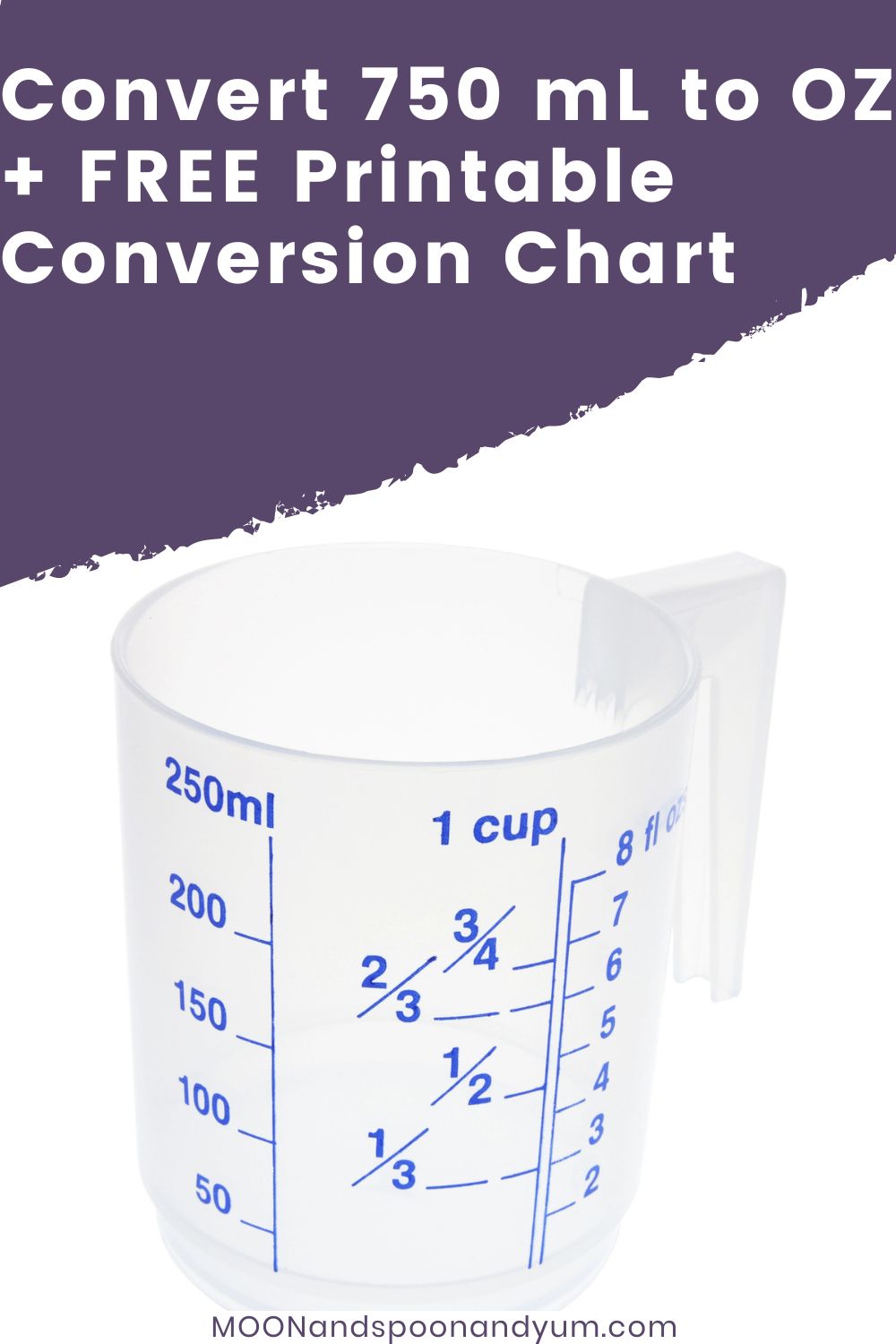
Ever stared blankly at a recipe calling for milliliters? Or maybe you're just trying to figure out how much wine is actually in that standard bottle? You're not alone.
Let's talk about 750 milliliters. You know, that magic number stamped on most wine bottles.
The Ounce Obsession
We Americans? We're kinda obsessed with ounces. It's our measuring comfort zone. Metric system? Sounds… foreign.
Must Read
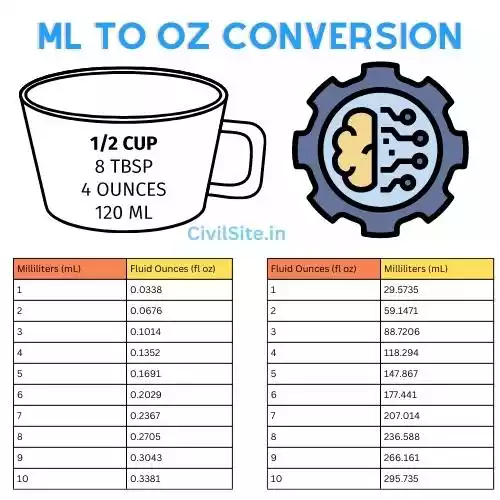
So, 750 milliliters. How many ounces are we talking? The answer, roughly, is 25.4 ounces. A little over a quarter of a gallon.
Now, officially, one milliliter is 0.033814 US fluid ounces. Math, right?
The "Close Enough" Mentality
But who's really measuring down to the last decimal point? I sure ain't.
Here's my unpopular opinion: close enough is good enough. We're not baking rocket fuel here. We're making (or enjoying) something yummy!
Rounding is your friend. 25 ounces it is!

The Wine Bottle Revelation
That standard bottle of wine? 750 ml. Or, as we now know, roughly 25 ounces.
Picture this: you're hosting a dinner party. You've got six guests. And you're wondering how many bottles to buy.
This is when knowing the approximate ounce situation comes in handy. Forget precise calculations! Embrace the "eh, close enough" philosophy.
The Serving Size Secret
A typical serving of wine is about 5 ounces. Which means a 750ml bottle holds roughly five servings. Approximately.
Back to that dinner party of six. One bottle per person? Maybe overkill. One bottle total? Definitely not enough.

Two bottles would leave everyone a little thirsty. I usually go with three. Better to have too much than too little, right?
Cooking Conversions: Milliliters in the Wild
Okay, wine's fun. But milliliters sneak into other recipes too.
Suddenly, you need 150 ml of chicken broth. Panic sets in. Where's my conversion calculator?
Hold up! Let's simplify. Think of it this way: roughly 30 ml equals about one fluid ounce.
The "Eyeball It" Approach (Don't Tell the Chefs)
Another unpopular opinion: sometimes, you can just eyeball it. Seriously. If a recipe calls for 60 ml of something, and you accidentally pour in 70? Is the world going to end? Nope.
Of course, this depends on what you're making. Baking? Precision might matter more. Sauce? Go wild!
Just remember, a dash and a splash are valid measurements too. Channel your inner Julia Child.
"I think every woman should have a blowtorch."
The Fridge Reality Check
Let's move away from recipes. Let's talk about the fridge.
Your fancy water bottle? Probably lists its capacity in milliliters. 500 ml? 1000 ml (aka, a liter)?
Suddenly, those numbers make a little more sense. You're fluent! (Sort of.)
The "Hydration Station" Conversion
A 1000 ml water bottle holds about 33.8 ounces. That's a lot of water! Go you!
See? Milliliters aren't so scary after all. They're just… smaller ounces.
Embrace the metric system, folks! (Or, at least, tolerate it a little bit more.) It's not a conspiracy. It's just… different. And, arguably, more logical. But that's a debate for another day. Maybe over a bottle of 750ml wine? Cheers!
Final Thoughts (And Another Unpopular Opinion)
Knowing 750 milliliters is roughly 25 ounces? It's a handy life skill. It simplifies things.
And here's my final, most controversial, unpopular opinion: measuring cups and spoons? Overrated. Okay, maybe not completely overrated. But definitely not essential for everything.
Sometimes, the best meals are made with a little bit of intuition, a dash of creativity, and a whole lot of love. And maybe a splash of wine, for good measure. Enjoy!