
74 Grados Farenheit A Centigrados

Alright, settle in, folks! Grab your lattes, your lukewarm iced teas (because let’s face it, they always melt too fast), and let’s talk temperature. Specifically, let’s tackle the burning question: 74 degrees Fahrenheit – what the heck is that in Celsius?
Now, I know what you’re thinking: “Math? Ugh, I’m here for caffeine and gossip, not equations!” Trust me, I get it. But stick with me, this isn't your high school algebra class where you were desperately trying to figure out when two trains leaving different stations would collide (spoiler alert: probably in a disaster movie). This is practical, real-world stuff. This is the difference between packing a swimsuit or a parka. Okay, maybe not a parka, but you get the idea.
See, the whole Fahrenheit versus Celsius thing is just… annoying. It’s like when someone uses inches instead of centimeters, or pounds instead of kilograms. It’s like…why?! Why make life harder? (I’m looking at you, imperial system!)
Must Read
The Fahrenheit Fiasco
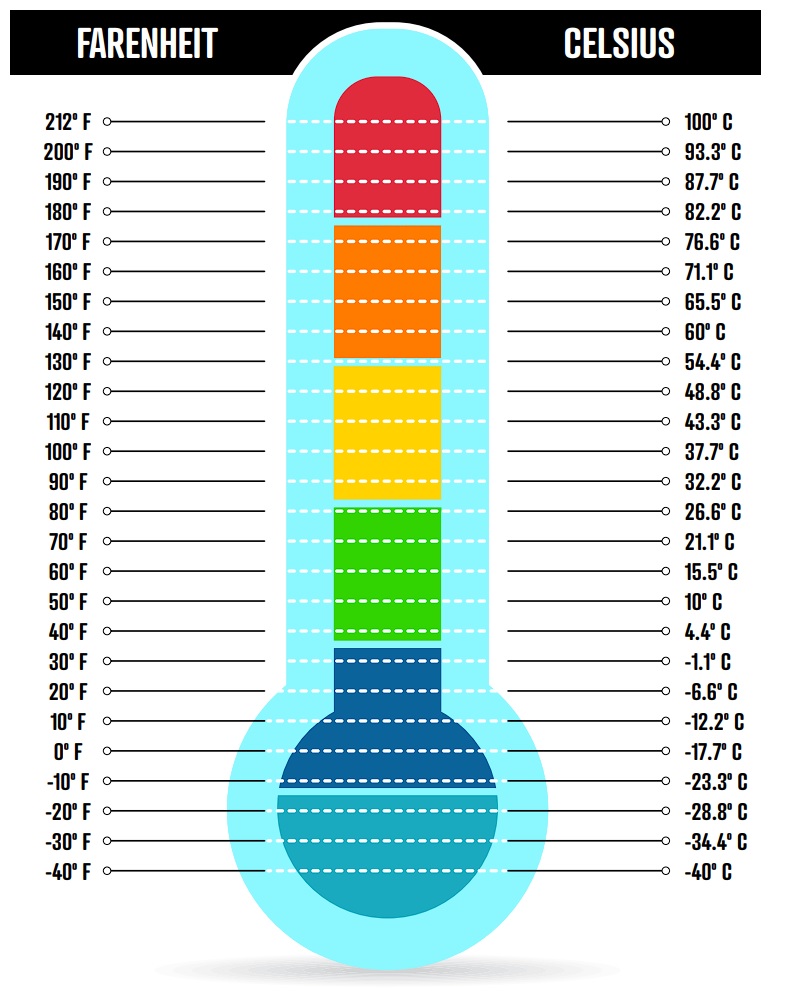
Fahrenheit, bless its confusing little heart, is mostly used in the United States. It's like that one quirky relative you love, but can never quite understand. Legend has it (and by legend, I mean a slightly unreliable Wikipedia search), it's based on some arcane mixture of salt, ice, and water. Sounds delicious, right? NOT. Its freezing point is 32 degrees, and its boiling point is 212. Makes perfect sense...said no one ever.
Enter Celsius, the Cool Cousin
Then there’s Celsius. Logical, straightforward, and used by pretty much everyone else on the planet. Freezing at 0 degrees, boiling at 100. It’s the metric system’s sensible sibling. It's the one that always brings a thoughtful gift to family gatherings. It just… makes sense.
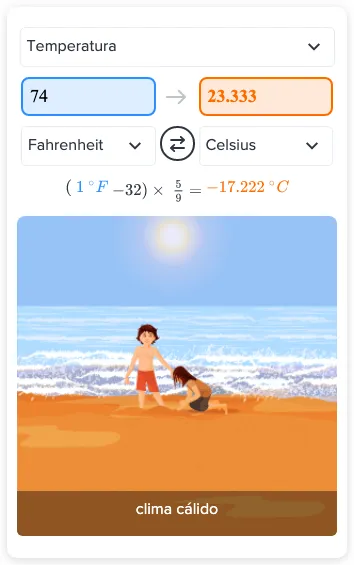
So, how do we bridge this temperature divide? How do we translate the seemingly random number of 74 Fahrenheit into the elegant language of Celsius?
The Conversion Conundrum (Simplified!)
Okay, deep breaths. We could get all scientific and throw around formulas that involve subtracting 32 and multiplying by 5/9. And if that’s your jam, knock yourself out! But let's be honest, who carries a calculator everywhere? (Besides engineers, and they're probably already cringing at my oversimplification).
Instead, I'm going to give you the cheat code. The mental shortcut. The temperature equivalent of knowing how to tie your shoes without actually understanding the physics of knot-tying. Ready?
74 degrees Fahrenheit is approximately 23 degrees Celsius. Ta-da!
Yes, there's a slightly more precise calculation involved, but for everyday use, that's close enough. Think of it this way: 23 degrees Celsius is a comfortably warm day. It’s perfect for a picnic, a stroll in the park, or maybe even attempting that questionable DIY project you saw on Pinterest.
Why This Matters (Besides Bragging Rights)
Knowing this conversion is actually useful! Imagine you're traveling abroad. The weather forecast says it's 25 degrees. You think, "Oh, that's chilly!" and pack your winter coat. But wait! You remember this article! You know that 25 degrees Celsius is actually a balmy 77 degrees Fahrenheit. You thank me profusely in your head, unpack your sunscreen, and avoid looking like a complete tourist.
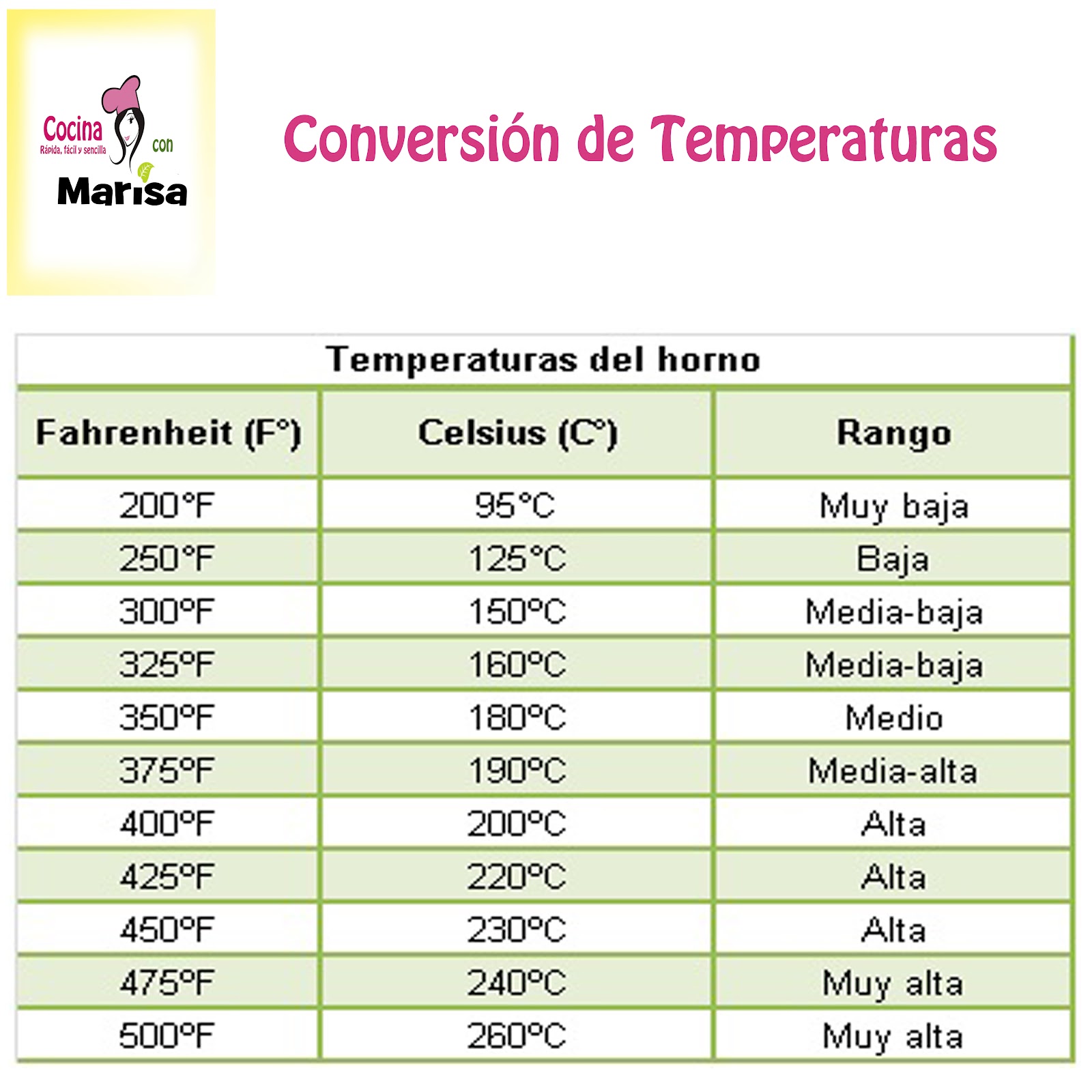
Also, think about cooking! Many recipes, especially those from international sources, use Celsius. Imagine trying to bake a cake at 350 degrees Celsius! You'd end up with a charred brick and a very unhappy stomach.
Fun Facts (Because Why Not?)
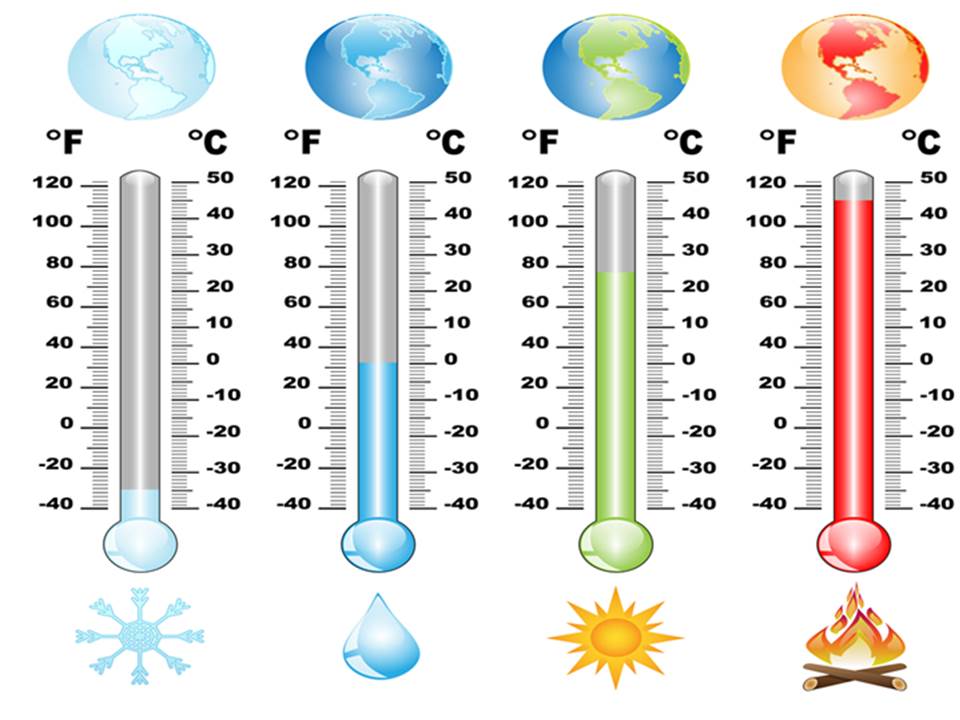
Did you know that the average human body temperature is around 37 degrees Celsius (or 98.6 Fahrenheit)? Pretty neat, huh? And speaking of humans, the hottest temperature ever recorded on Earth was in Death Valley, California: 56.7 degrees Celsius (134 Fahrenheit). Ouch! I think I'd spontaneously combust.
And on the opposite end of the spectrum, the coldest temperature ever recorded was in Antarctica: -89.2 degrees Celsius (-128.6 Fahrenheit). At that point, you're basically living on another planet.
The Takeaway
So, there you have it! 74 degrees Fahrenheit is roughly 23 degrees Celsius. Now you can confidently discuss the weather with anyone, anywhere, without fear of temperature-related embarrassment. You can impress your friends, family, and even that slightly judgmental barista with your newfound knowledge. Go forth and conquer the world, one temperature conversion at a time!
Remember, understanding temperature is about more than just numbers. It’s about understanding the world around you. It's about knowing whether to pack a sweater or a swimsuit. It's about knowing whether your oven is going to bake a cake or melt your kitchen. And most importantly, it's about knowing that even the most confusing things can be made simple with a little bit of… well, let's call it temperature-related humor.
Now, if you'll excuse me, I'm going to go double-check my thermostat. Just to be sure. You know, for science. And maybe also for a nap. It's a wonderfully warm 23 degrees Celsius in here.