
60 Words Related To Stock Exchange
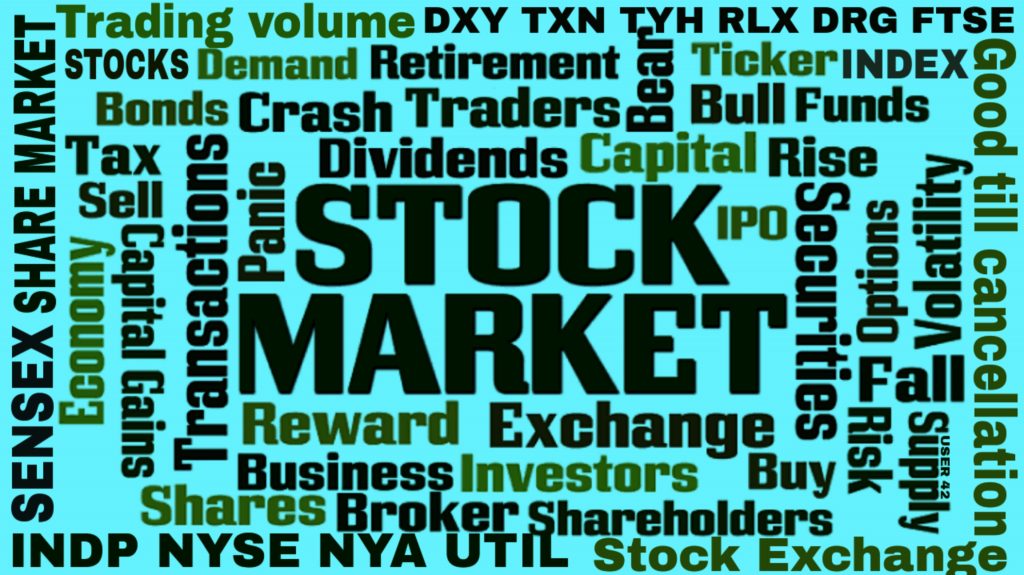
Alright, gather 'round, folks! Let's talk stock exchange. Now, I know what you're thinking: "BORING!" But trust me, it's way more entertaining than watching paint dry… mostly. So, I’ve compiled a list of 60 words related to stock exchange, so we can have some fun learning. Think of it as financial stand-up comedy. Are you ready? Let's go!
The Basics (aka the stuff you kinda need to know)
First up, we've got the heavy hitters. Words so important, they practically demand respect. Like Stocks themselves! These are tiny little pieces of ownership in a company. Think of it like buying a crumb of a giant corporate cookie. Tasty, right?
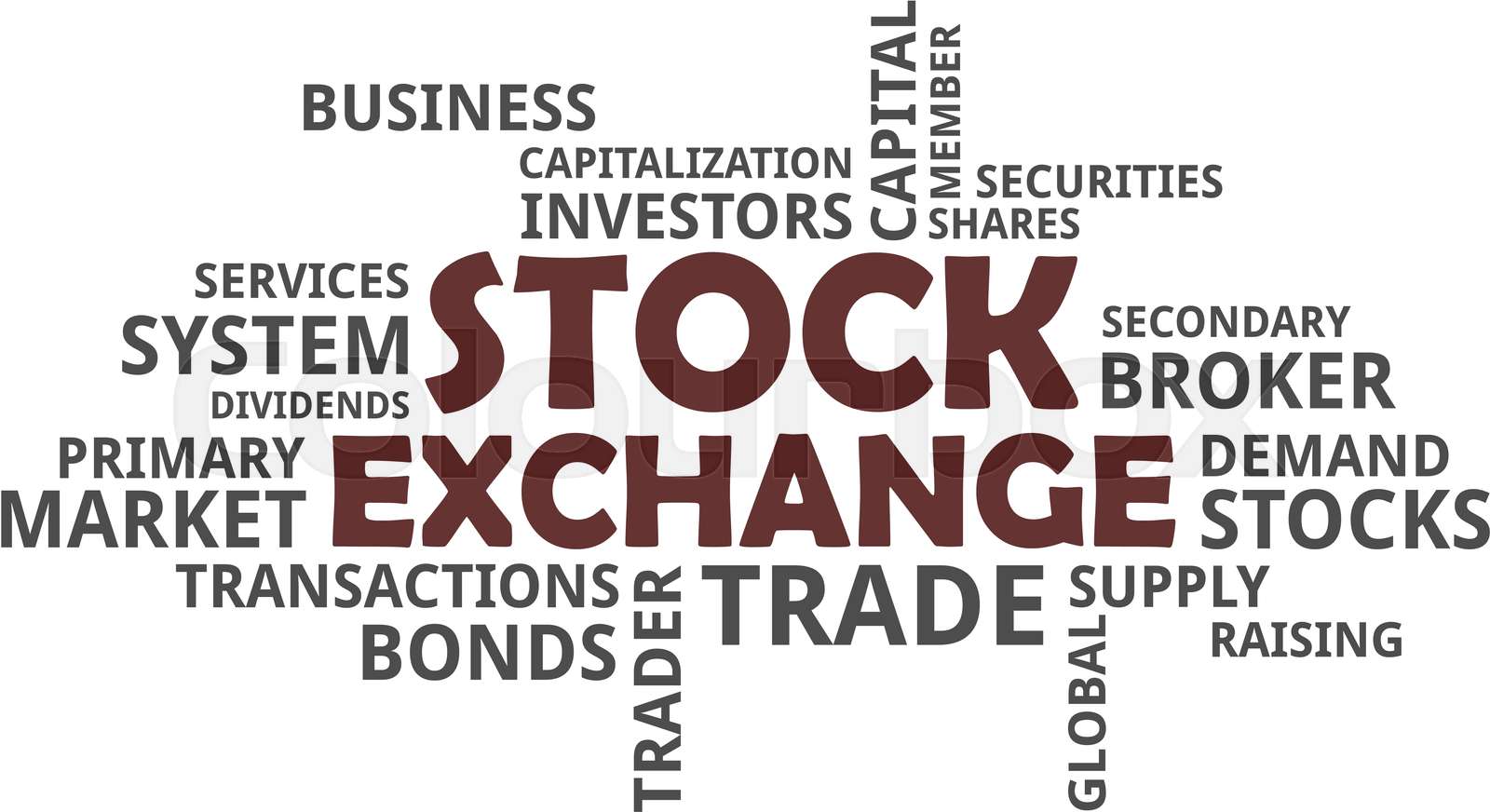
Then there's the Stock Exchange, the chaotic marketplace where these crumbs are traded. It's like a giant, caffeinated flea market for stocks.
Must Read
And you buy and sell your stock using a Broker. Consider them like you’re your stock tour guide. Make sure to give them a tip!
Next, we have Shares, which is just another fancy word for stocks. Don’t ask me why we need two words for the same thing! It’s just how Wall Street rolls.
Now, you might hear about Capital. That’s just a fancy word for money. It’s the fuel that makes the stock market go vroom vroom.
And then there’s the Market Capitalization, or market cap, of a company. Basically, it is the total value of the company, as determined by the stock market. For example, if a company has 1 million shares and each share is worth $10, then the market capitalization is $10 million.
The Numbers Game (or, "why my calculator hates me")
Time to dive into the numerical abyss! Don't worry, I'll try to keep it light. First, we have the Index. Think of it as the mood ring for the stock market. It tells you, at a glance, whether things are happy (going up) or sad (going down).
For example, the Dow Jones Industrial Average (DJIA) tracks 30 large, publicly owned companies based in the United States. S&P 500, tracks the top 500 publicly traded companies. And you may be asked to invest in Nasdaq Composite, a stock market index that represents over 2,500 stocks traded on the Nasdaq stock exchange.
The Dividend is the company's way of sharing some of its profits with you if you own their stocks. It’s like a little thank you note... written in money!
Then there’s P/E Ratio (Price-to-Earnings Ratio). It’s a fancy way to see if a stock is over- or under-valued. The lower the P/E ratio, the cheaper the stock!
And what about Yield? In the stock market, yield refers to the return on an investment, usually expressed as a percentage. The higher the yield, the better the return!
Ever wonder what Volatility is? It measures how much a stock price jumps around. High volatility means a wild ride! Low volatility means things are calm and steady!
The Jargon Jungle (where words go to get confused)
Alright, let's wade into the jargon jungle. This is where things get… interesting. Get ready for words that sound important, but you're not entirely sure what they mean.
Bull Market: This means the market is going UP! Roar! It’s a good time to be investing!
Bear Market: This means the market is going DOWN! Oh no! The bears are attacking!
Next is Liquidity, which is how easily you can turn your investments into cash. Think of it like turning your stock into dollars.
Another one is Portfolio. It is simply your collection of investments. It’s like your financial backpack!
We have to talk about Initial Public Offering (IPO). This is when a private company goes public and starts selling stock to the general public. It's like their debutante ball, but with more money involved.
Let’s dive into Diversification. Don’t put all your eggs in one basket! Diversify your investments to spread the risk.
Another common term is Blue Chip Stocks. These are stocks of large, well-established companies. Think of them as the "safe" bets of the stock market.
You also have Penny Stocks. These are super cheap stocks of small companies. They’re risky, but the potential reward is high.
There is also the Bid and Ask! The bid is the highest price someone is willing to pay for a stock. The ask is the lowest price someone is willing to sell a stock for. The difference between the two is called the spread.
Strategies and Tactics (or, how to pretend you know what you're doing)
Okay, now that you know some of the lingo, let's talk about how to actually play the game. (Disclaimer: I am not a financial advisor. Don't blame me if you lose all your money.)
One strategy is Day Trading. Buying and selling stocks within the same day. It's like a financial rollercoaster, so buckle up!

Another is Long-Term Investing. Holding stocks for years, even decades. It's like planting a money tree and watching it grow.
Then there’s Value Investing. Picking stocks that are undervalued by the market. It’s like finding a diamond in the rough.
Growth Investing is another strategy. It is about investing in companies that are expected to grow quickly.
And of course Risk Tolerance. How much risk are you willing to take? The higher the risk, the higher the potential reward!
Bonus Round: More Words to Impress Your Friends
Alright, here are a few more terms to sprinkle into your conversations to really sound like you know your stuff:
Arbitrage: Taking advantage of price differences in different markets. It's like finding a loophole in the financial system.
Derivatives: Financial instruments whose value is derived from another asset. Complex stuff, but good for impressing people at parties.
Hedge Fund: A private investment fund that uses advanced strategies to generate returns. Often involves risky bets and high fees.

Margin: Borrowing money from your broker to buy more stocks. It amplifies both gains and losses, so be careful!
Quantitative Easing (QE): A monetary policy where a central bank injects liquidity into the economy. It's like giving the economy a shot of adrenaline.
We also have Sector, a specific area of the economy. If you want to invest in technologies, energy, health, etc.
Finally, let's not forget about Treasury Bills, which are short-term debt securities issued by the government. Generally considered very safe investments.
Phew! That's a lot of words! But hey, now you're armed with enough knowledge to at least pretend you know what you're talking about. Now go forth and conquer the stock market… responsibly, of course!
*
A Quick List of 60 Terms (In case you were counting)
- Stocks
- Stock Exchange
- Broker
- Shares
- Capital
- Market Capitalization
- Index
- Dow Jones Industrial Average (DJIA)
- S&P 500
- Nasdaq Composite
- Dividend
- P/E Ratio (Price-to-Earnings Ratio)
- Yield
- Volatility
- Bull Market
- Bear Market
- Liquidity
- Portfolio
- Initial Public Offering (IPO)
- Diversification
- Blue Chip Stocks
- Penny Stocks
- Bid
- Ask
- Spread
- Day Trading
- Long-Term Investing
- Value Investing
- Growth Investing
- Risk Tolerance
- Arbitrage
- Derivatives
- Hedge Fund
- Margin
- Quantitative Easing (QE)
- Sector
- Treasury Bills
- Asset Allocation
- Beta
- Bond
- Commodity
- Correction
- Currency
- Debt
- Earnings
- Equity
- Fiscal Policy
- Futures
- Inflation
- Interest Rate
- Leverage
- Mutual Fund
- Option
- Recession
- Return on Investment (ROI)
- Securities and Exchange Commission (SEC)
- Short Selling
- Ticker Symbol
- Trading Volume