Will A Cigarette Set Off A Smoke Alarm
Have you ever found yourself in a hotel room, perhaps after a long day, or maybe just lounging at home, and a stray thought pops into your head: "If I were to light up a cigarette right now, would that insistent little disc on the ceiling start shrieking at me?" It's a common, if sometimes unspoken, curiosity. And while we're absolutely not here to encourage smoking indoors – quite the opposite, in fact! – understanding how smoke alarms work and what makes them tick (or scream!) is actually super interesting and, more importantly, a valuable piece of knowledge for keeping ourselves and our loved ones safe.
The whole purpose of a smoke alarm, whether it's in your cozy living room, a busy office, or a quiet hotel corridor, is brilliantly simple: to detect the presence of smoke and alert you to a potential fire. This early warning system is incredibly beneficial; it gives you precious minutes to escape, call for help, and potentially save lives and property. But not all smoke is created equal, and neither are all smoke alarms. This is where our cigarette question becomes more than just idle curiosity; it delves into the science of fire safety.
Understanding the nuances of smoke alarms has tangible benefits in our daily lives and even in education. For instance, knowing that there are two main types – ionization and photoelectric – can help you make informed decisions about fire safety in your own home. Ionization alarms are generally better at detecting fast-flaming fires with tiny, invisible smoke particles, while photoelectric alarms excel at sensing larger, visible smoke particles from smoldering fires, like those often produced by an overheated wire or, yes, potentially even a cigarette. This knowledge is crucial when teaching fire safety to kids or new tenants, emphasizing why proper alarm placement matters – you might want a photoelectric alarm near a kitchen where cooking can cause smoldering, but an ionization alarm in a hallway might catch a fast-moving fire sooner.
Must Read
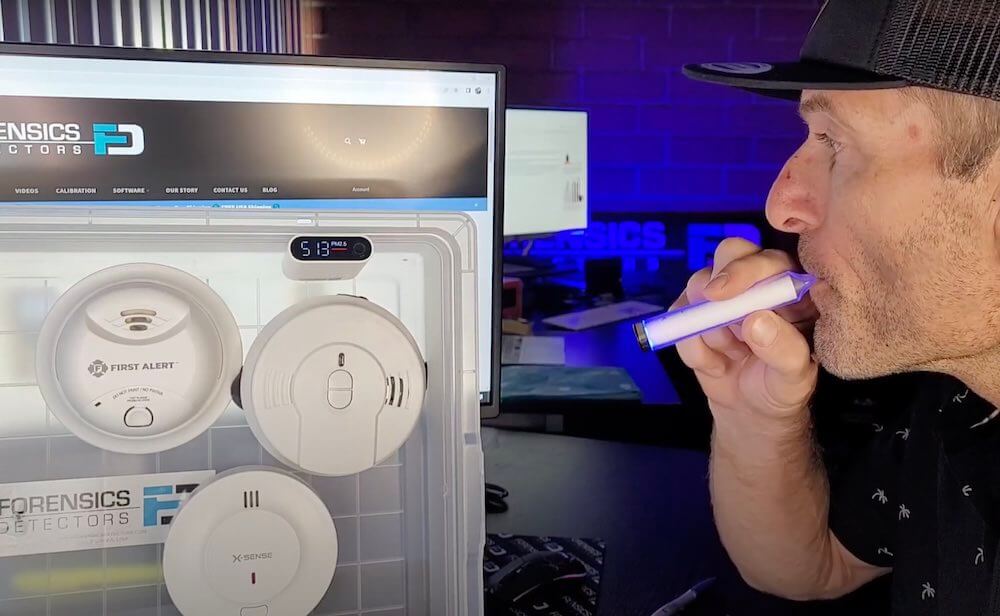
So, back to the cigarette conundrum: will it set off an alarm? The answer is often, "It depends." A single puff of a cigarette, especially in a well-ventilated room, is unlikely to trigger most modern smoke alarms. The smoke particles might be too fine, too dispersed, or simply not dense enough to register as a threat. However, chain-smoking in a small, enclosed space, or having smoke blow directly into an alarm, significantly increases the chances, especially with photoelectric alarms which are more sensitive to the visible smoke from a cigarette. The biggest danger isn't necessarily the alarm itself, but the cigarette as a source of ignition – an unattended cigarette is a leading cause of fatal fires.
If you're curious to explore this topic further (safely, of course!), instead of conducting any risky experiments, here are some practical tips:
- Read your alarm's manual: Most modern alarms specify their type and sensitivity.
- Perform regular tests: Use the test button on your smoke alarm at least once a month. This confirms it's powered and the siren works.
- Understand placement: Alarms should be placed strategically, often in hallways outside sleeping areas, and one on every level of your home. Keep them away from kitchens and bathrooms where steam or cooking fumes might cause false alarms.
- Educate yourself: Learn about the different types of alarms and consider installing both ionization and photoelectric alarms for comprehensive protection.