
Will A Carbon Monoxide Detector Keep Going Off
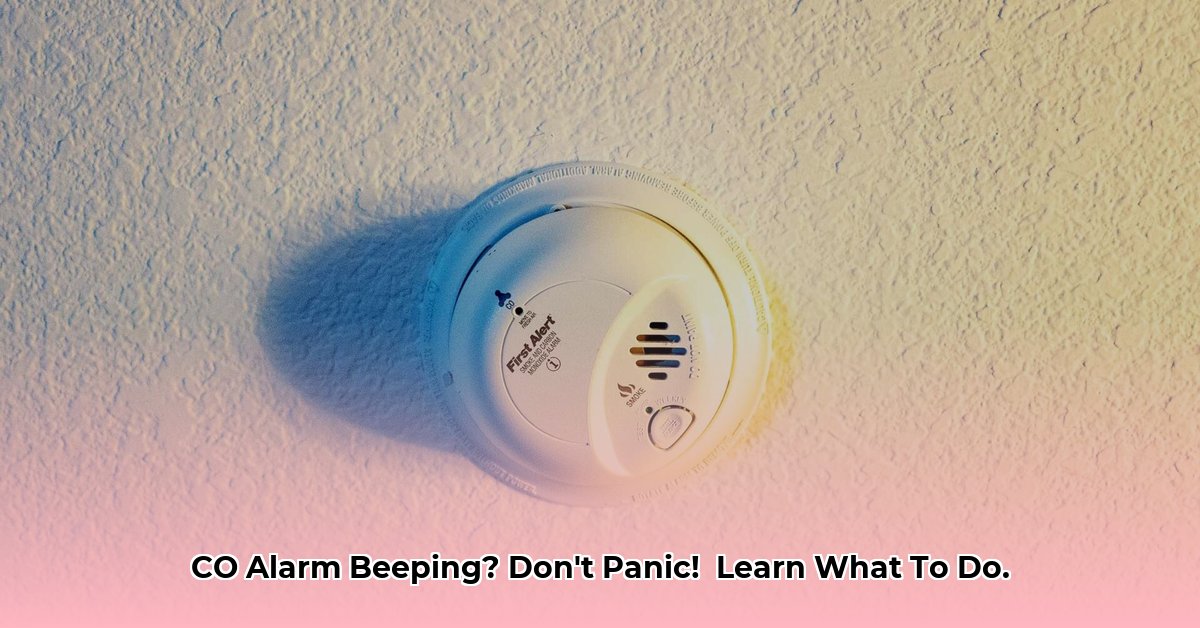
Alright, let's talk about that little gadget on your wall or ceiling, the one that sometimes lets out a shriek that could wake the dead: your carbon monoxide (CO) detector. You know, the one that makes your heart leap into your throat, especially if it decides to go off in the middle of a perfectly good night's sleep. The big question often is, "Will this thing just keep going off for no reason?" And perhaps more importantly, "What in the world am I supposed to do when it does?"
Picture this: You’re snuggled up, dreaming of fluffy clouds and bottomless coffee, when suddenly – BEEP! BEEP! BEEP! – your CO detector decides it’s time for its grand opera performance. Your first thought might be, "Oh, for crying out loud, what now? Is it broken? Is it possessed?" While a possessed detector would make for a great horror movie plot, the reality is usually a bit more mundane, and often, a lot more helpful than you might think.
Why Does It Go Off, Anyway? (And No, It's Not Just for Fun!)
Your CO detector isn't trying to annoy you. Think of it as your home’s silent, invisible gas-sniffing superhero sidekick. It’s designed to be your early warning system for carbon monoxide, a truly nasty gas that's odorless, colorless, and tasteless. We lovingly call it the "silent killer" because you literally can't detect it with your own senses. That's where your trusty detector swoops in!
Must Read
So, if it's going off, there are usually a few key reasons, and most of them are absolutely worth paying attention to:
1. The Big One: Actual Carbon Monoxide!
This is its primary job, its raison d'être! If your detector is blaring with a loud, continuous, and insistent alarm, it means it's detected dangerous levels of CO. This isn't a drill, folks. This is the moment it was born for. Sources of CO in your home can include faulty furnaces, leaky gas stoves, clogged chimneys, or even running a car in an attached garage. Remember that time Uncle Bob tried to warm up his truck in the garage for "just a minute"? Yeah, that's the kind of thing your detector is guarding against.
2. The Annoying Chirp: Low Battery!
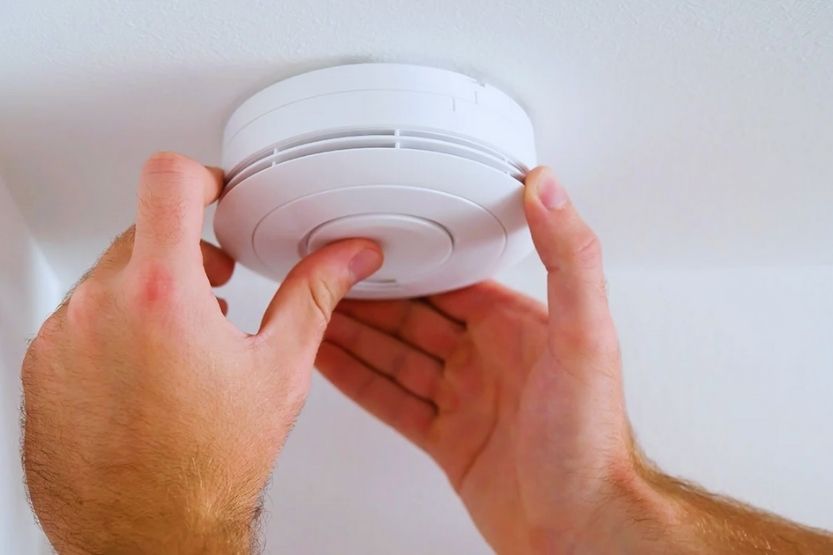
Ah, the dreaded "low battery chirp." This is usually a shorter, less frantic sound, often just a single "beep" every 30 to 60 seconds. It’s like your phone giving you that tiny little "I'm dying" notification, but in a much more startling way. This isn't the detector warning you about CO; it's warning you that it’s about to stop warning you about CO. Think of it as a small, polite (but loud) reminder to feed it some fresh batteries.
3. The Grand Finale: End of Life!
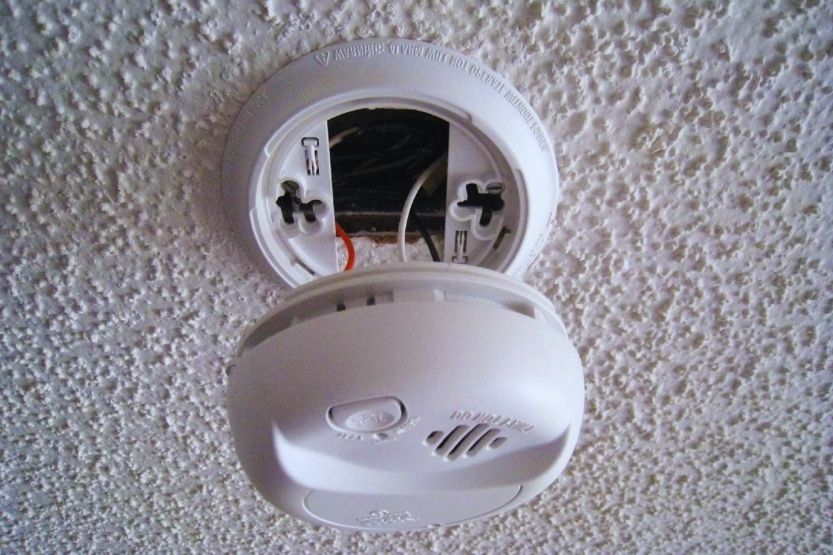
Did you know CO detectors have an expiration date? It's usually around 5-7 years for most models. After this time, their sensors can become less reliable. When they hit their retirement age, many detectors will emit a specific "end of life" signal, which can sometimes be mistaken for a CO alarm or a low battery chirp. Check the back of your unit for a "replace by" date. If it's passed, it's time to swap it out for a shiny new one! It's like your carton of milk; once it's past its date, you don't keep drinking it, do you?
4. A Little Dust Bunny Trouble or a Malfunction
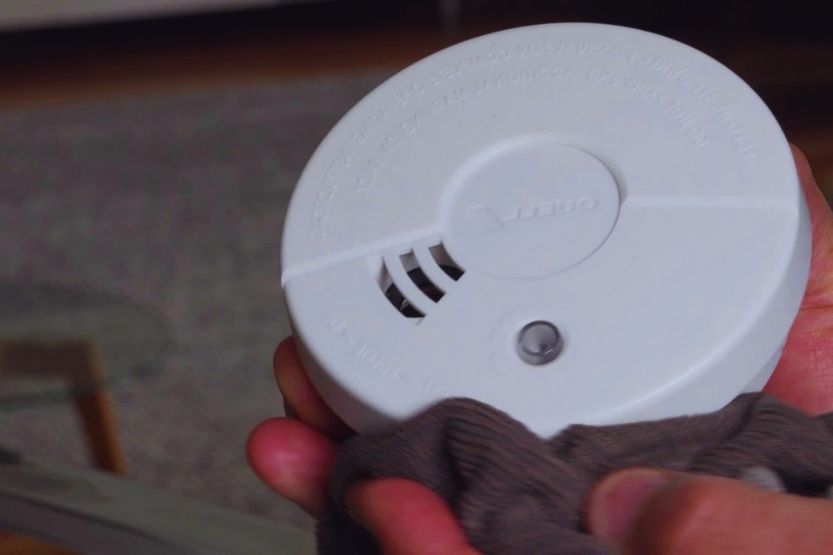
Occasionally, dust or debris can interfere with the sensor, leading to a false alarm. It's rare, but it happens. A quick clean with a soft cloth or a vacuum brush attachment can sometimes help. And, like any electronic device, occasionally they can just malfunction. If you've ruled out CO, low batteries, and end-of-life, and it's still misbehaving, it might just be a faulty unit that needs replacing.
Okay, So It's Going Off! What Do I Do?!
First, don't panic (easier said than done, we know!). But seriously, try to stay calm and follow these steps:
- If it's a full-blown, continuous alarm: Assume it's real CO. Immediately get everyone (including pets!) out of the house and into fresh air. Don't waste time looking for the source.
- Call for help: Once safely outside, call your local fire department or 911. They have equipment to detect CO levels accurately and can help you identify the source.
- Ventilate: If it's a less intense or intermittent alarm, and you're feeling okay, open windows and doors to air out your home. Step outside for a few minutes to get some fresh air.
- Check the basics: If it’s just a chirp, pop in some fresh batteries. If the "replace by" date is showing its age, it’s time for a new detector.
- Never ignore it: Seriously, don't. Your CO detector is not a "cry wolf" kind of device when it comes to an actual alarm.
Why Should I Even Care About This Little Beeping Box?
Because your CO detector is literally a lifesaver. Carbon monoxide poisoning can cause flu-like symptoms (headache, dizziness, nausea, fatigue) that can easily be mistaken for something else. But unlike the flu, CO can quickly lead to unconsciousness and even death, often before you even realize what's happening. Imagine waking up with a bad headache, thinking you're just tired, when really, your home is silently poisoning you. Your detector prevents that horrific scenario.
It's about peace of mind, really. Like locking your front door at night, or having a smoke detector in your kitchen. It's a small, easy step to ensure the safety of your loved ones, your furry friends, and yourself. It's a little investment in safety that pays off in big, potentially life-saving ways. So, let's hear it for these diligent little guardians of our homes! Give them fresh batteries, check their expiration dates, and when they beep, listen to them. They might just be saving your life.
