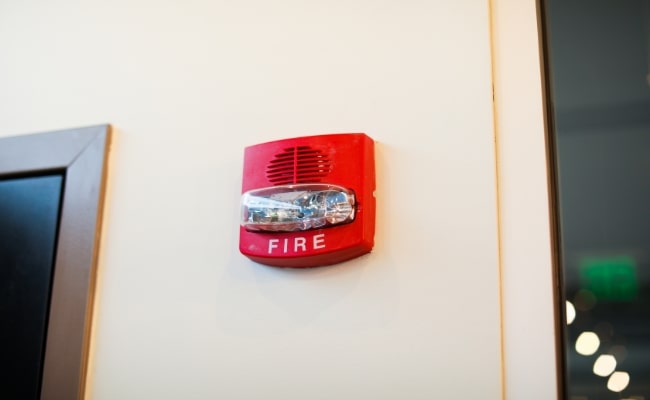
Why Would My Fire Alarm Go Off Randomly
Everyone's been there: you're enjoying a peaceful evening, maybe even deep in slumber, when BEEP BEEP BEEP! Your fire alarm decides to throw a surprise party for your eardrums. It's frustrating, it's loud, and often, there's no visible smoke in sight. But before you declare war on the noisy little disc on your ceiling, let's explore why these crucial safety devices sometimes seem to have a mind of their own. Understanding these "false alarms" isn't just about preserving your sanity; it's about making sure your alarm is always ready to protect you when it truly matters.
Knowing the common culprits behind random chirps and blares can turn a moment of annoyance into an opportunity for proactive safety. It helps you troubleshoot quickly, prevents unnecessary calls to emergency services, and ensures your home's first line of defense against fire is always in top working order. Think of it as decoding your home's most dramatic communicator! A little knowledge can save you a lot of headache (and sleep).
So, what exactly sets off these highly sensitive guardians of our homes when there’s no actual fire? Let's dive into the most common reasons:
Must Read
-
The Low Battery Blues: This is probably the most common and easily fixable reason. That incessant, singular chirp every 30-60 seconds? Your smoke detector is begging for a fresh battery. It's its way of saying, "Hey, I'm still alive, but I need a power boost to stay vigilant!" Don't ignore this chirp – it's a critical warning that your detector's power is fading.
-
Dust and Debris: Over time, dust, cobwebs, or even small insects can accumulate inside the sensor chamber of your smoke alarm. This build-up can trick the sensor into thinking there's smoke present, leading to a full-blown alarm. A quick clean with a vacuum attachment, carefully applied, can often solve this mystery. Regular cleaning is a simple preventative measure that keeps your alarm running smoothly.

Why Did My Fire Alarm Randomly Go Off - Top 9 Reasons -
Cooking Chaos or Shower Steam: Ever had your alarm go off while searing a steak to perfection or enjoying a long, hot shower? Photoelectric smoke alarms, particularly, are sensitive to large particles, which can include smoke from burnt toast, steam from a steamy bathroom, or even heavy cooking fumes. Proper ventilation is key when cooking or bathing to prevent these innocent triggers.
-
Humidity Spikes: Believe it or not, extreme humidity, especially during hot, muggy weather or in poorly ventilated areas, can sometimes cause condensation inside the alarm's chamber. This moisture can interfere with the sensors, triggering a false alarm. While less common, it's a good reminder to ensure good air circulation in your home, especially near detectors.

Why Your Fire Alarm Going Off For No Reason? 8 Reasons -
Pest Problem: Tiny critters like spiders or even small insects can crawl into the alarm unit and interfere with the sensors, setting it off. Just like dust, a little arachnid or ant can confuse the system, making it sound the alarm. A good clean (as mentioned earlier) usually sorts this out, turning your alarm back into a bug-free zone.
-
Expired Lifespan: Smoke alarms aren't immortal. Most manufacturers recommend replacing them every 8-10 years. Over time, components degrade, making the unit more prone to false alarms or, worse, failure to detect real fires. Check the manufacturing date on the back of your unit; if it's past its prime, it's time for a new one. This is a non-negotiable safety step.
Household Fire Alarm Beeping at Brandon Myers blog -
Faulty Unit or Wiring: Sometimes, despite everything else checking out, the unit itself might be defective, or there could be an issue with the electrical wiring if it's a hardwired alarm. If all other troubleshooting fails, it might be time for a replacement or a call to an electrician. Better safe than sorry when it comes to vital safety equipment.
So, the next time your fire alarm decides to serenade you unexpectedly, don't just pull the battery in frustration. Take a moment to consider these common culprits. A little investigative work can save you future headaches, ensure your home remains genuinely safe, and keep that crucial sentinel watching over you without unnecessary drama. Stay safe, and keep those detectors happy and well-maintained!