
Why Would A Carbon Monoxide Alarm Go Off

Imagine a silent, invisible threat. It has no smell, no taste, and you can't see it. This sneaky danger is called carbon monoxide, or CO for short. It's often called the "silent killer" for a very good reason.
That's where your trusty carbon monoxide alarm steps in. It's like a watchful guardian, always on duty. This little device can literally save lives by sniffing out CO long before you ever would.
So, if your CO alarm suddenly starts beeping loudly, it's not trying to annoy you. It's shouting a warning! It's telling you something important and potentially dangerous is happening. Let's find out why it might be raising such a ruckus.
Must Read
The Invisible Threat: What is Carbon Monoxide?
Carbon monoxide is a gas produced when fuels burn incompletely. Think of things like natural gas, propane, oil, wood, and charcoal. When these don't burn cleanly, CO is created.
It's dangerous because it replaces oxygen in your blood. This means your body can't get the oxygen it needs to function. Symptoms can feel like the flu at first, making it tricky to spot.
Headaches, dizziness, nausea, and tiredness are common signs. But as CO levels rise, it can lead to confusion, unconsciousness, and even death. This makes your CO alarm incredibly important.
Your Home's Unseen Watchdog: The CO Alarm
Your carbon monoxide alarm is a truly special device. It's designed to detect even small amounts of CO in the air. When it senses danger, it lets out a piercing alarm.
Think of it as your home's nose for danger, but much more sensitive than yours. It never sleeps and is always monitoring the air around you. This makes it a vital part of home safety.
Understanding why it might go off helps you react quickly and safely. It's not just a random noise; it's a vital communication from your home. This makes the alarm a true household hero.
Common Reasons Your CO Alarm Might Cry Wolf
1. Faulty Appliances and Heating Systems
Many common household items can produce CO. Furnaces, water heaters, and gas stoves are big culprits. If they aren't working right, they can leak CO.
A cracked heat exchanger in a furnace is one example. Or perhaps a gas range burner is partially clogged. These issues prevent fuel from burning completely.
Even gas clothes dryers can be a source. Regular maintenance on these appliances is key. A professional check-up can often prevent CO leaks.
2. Blocked Vents or Chimneys
Appliances need to vent their exhaust gases outside. Furnaces, fireplaces, and water heaters all have vents or chimneys. If these get blocked, CO can back up into your home.
A bird's nest or debris can easily block a chimney. Snow or ice can also block outdoor vents in winter. This traps the dangerous gas inside your living space.
Always check your vents, especially after storms. Make sure they are clear and open. This simple step can prevent a very serious problem.
3. Idling Cars in Attached Garages
It might seem obvious, but never leave a car running in an attached garage. Even with the garage door open, CO can quickly seep into your home. This is a very common cause of alarms.
The exhaust from a running car contains a lot of CO. This gas can easily travel through walls and open doorways. Always pull your car out first before letting it warm up.

Be extra careful if you have living space above your garage. CO can rise and affect those rooms quickly. It's a risk not worth taking, even for a few minutes.
4. Portable Generators and Grills Indoors
Generators are fantastic for power outages, but they are outdoor-only devices. Using a generator inside a home or even a partially enclosed garage is extremely dangerous. They produce very high levels of CO.
Similarly, charcoal grills and propane grills are for outdoor use only. Never bring them inside to cook or for warmth. The CO they release is incredibly potent in enclosed spaces.
These sources are often responsible for serious CO poisoning incidents. Always follow safety instructions for these powerful tools. Safety first, always!
5. Aging Alarms or Batteries
Sometimes, the alarm itself is the issue, but in a good way. Most CO alarms have a lifespan, usually around 5-7 years. After this time, their sensors can become less accurate.
An alarm nearing its end-of-life might chirp or go off unexpectedly. This is usually a warning to replace the unit. Check the manufacture date on the back of your alarm.
Also, dead or low batteries can cause alarms to chirp. Replace batteries regularly, just like with smoke detectors. A well-maintained alarm is a reliable alarm.

6. Neighbor's CO Seepage
In apartments, condos, or homes with shared walls, CO can sometimes travel. If a neighbor has a CO leak, their gas could potentially seep into your unit. This is less common but possible.
This highlights why individual CO alarms are so important for every dwelling. You can't control your neighbor's appliances, but you can protect yourself. Your alarm acts as your personal sentinel.
If your alarm goes off and you can't find a source, consider this possibility. It might require broader investigation by emergency services.
What to Do When the Alarm Goes Off
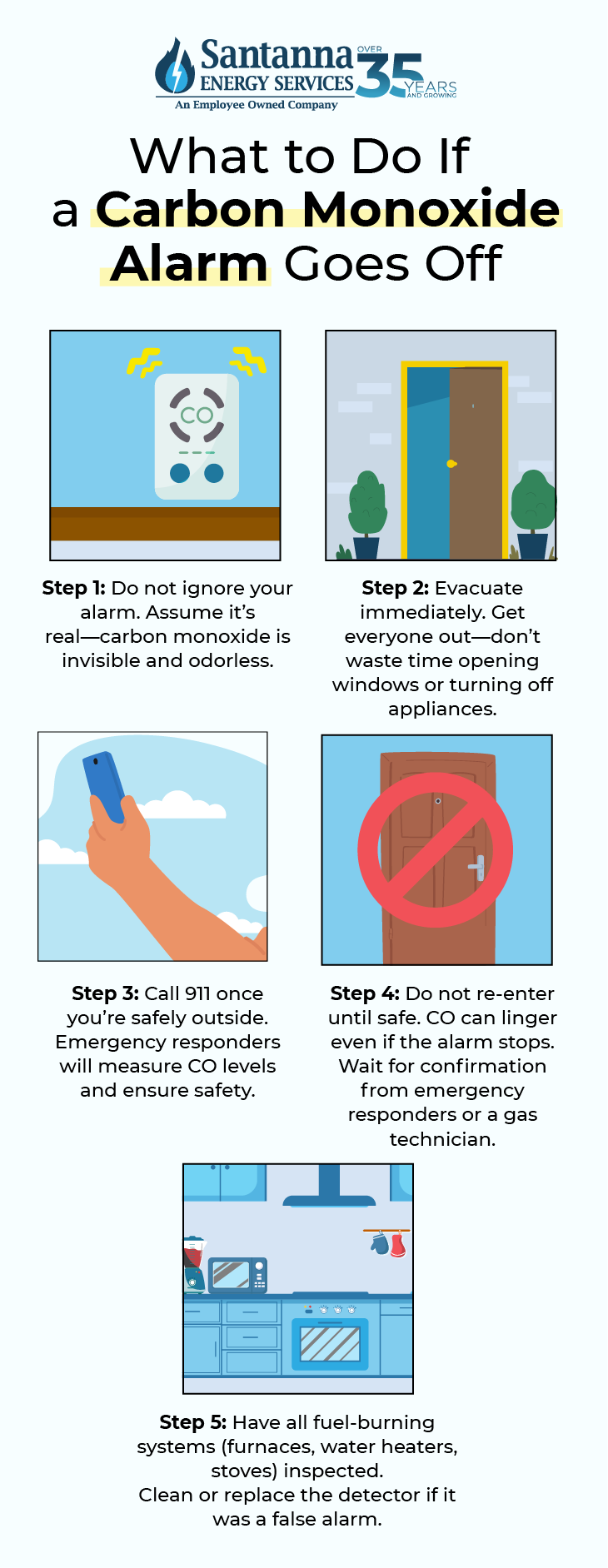
If your carbon monoxide alarm sounds, take it seriously. Don't assume it's a false alarm. Your immediate action can make a huge difference.
"When in doubt, get out!"
This simple phrase is the most important rule. Quickly get everyone, including pets, out of the house. Don't waste time trying to find the source.
Once safely outside, call 911 or your local fire department. They have special equipment to detect CO levels. Do not re-enter your home until first responders say it's safe.
Emergency services will investigate the cause and advise you on next steps. They are trained professionals ready to help. Trust their expertise.

Keeping Your Home Safe: Prevention is Key
Being proactive about CO safety is smart. Install CO alarms on every level of your home. Place them near sleeping areas and where fuel-burning appliances are located.
Regularly test your CO alarms using the test button. Do this monthly, just like your smoke detectors. Replace batteries annually, or as the manufacturer recommends.
Schedule annual check-ups for all fuel-burning appliances. A qualified technician can spot problems before they become dangerous. This keeps everything running smoothly and safely.
Ensure all vents and chimneys are clear of obstructions. This includes checking them before winter. Keep portable generators and grills strictly outdoors.
Your carbon monoxide alarm is a truly remarkable piece of technology. It's a silent sentinel, always vigilant, always ready to warn you. It's special because it offers peace of mind.
By understanding why it might go off and what to do, you become a guardian of your home's safety. Make sure yours are in good working order. It's a small investment for a huge return: your life and the lives of those you love.
So, next time you think about home safety, give a little thought to your CO alarm. It's there for you, making your home a safer place, one silent sniff at a time. It truly is a lifesaver.