Why Is My Smoke Detector Chirping 3 Times

Ah, the symphony of home life! We all love the gentle hum of the fridge, the distant whir of the washing machine, but there's one sound that can pierce through the domestic calm like a rusty nail: the dreaded smoke detector chirp. Specifically, that insistent, head-scratching three-chirp pattern. It’s a common experience, and thankfully, it's not usually a sign of immediate danger but rather a little nudge from your vigilant safety guardian. Learning what this means is incredibly useful, transforming you from a bewildered homeowner to a savvy troubleshooter, ready to restore peace and quiet to your domain. Plus, who doesn't love the satisfaction of fixing something themselves?
Understanding this little SOS from your smoke alarm offers benefits to just about everyone. For beginners and new homeowners, it's a fantastic introduction to basic home maintenance and troubleshooting. You'll gain confidence in tackling small household issues, learning that not every problem requires a professional. Families will especially appreciate this knowledge. A chirping smoke detector can disrupt sleep, cause anxiety, and even make pets restless. Knowing how to quickly address it means more peaceful nights and a safer home environment for your loved ones. Even for the casual hobbyist or DIY enthusiast, this is a simple yet rewarding diagnostic puzzle. It sharpens your attention to detail and reinforces the importance of maintaining critical safety devices, turning a minor annoyance into a tiny victory for your home-management skills.
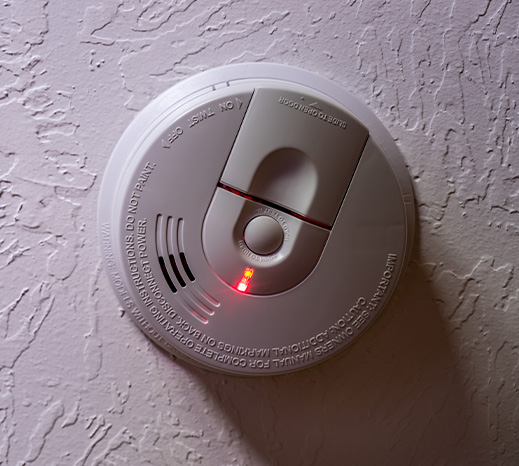
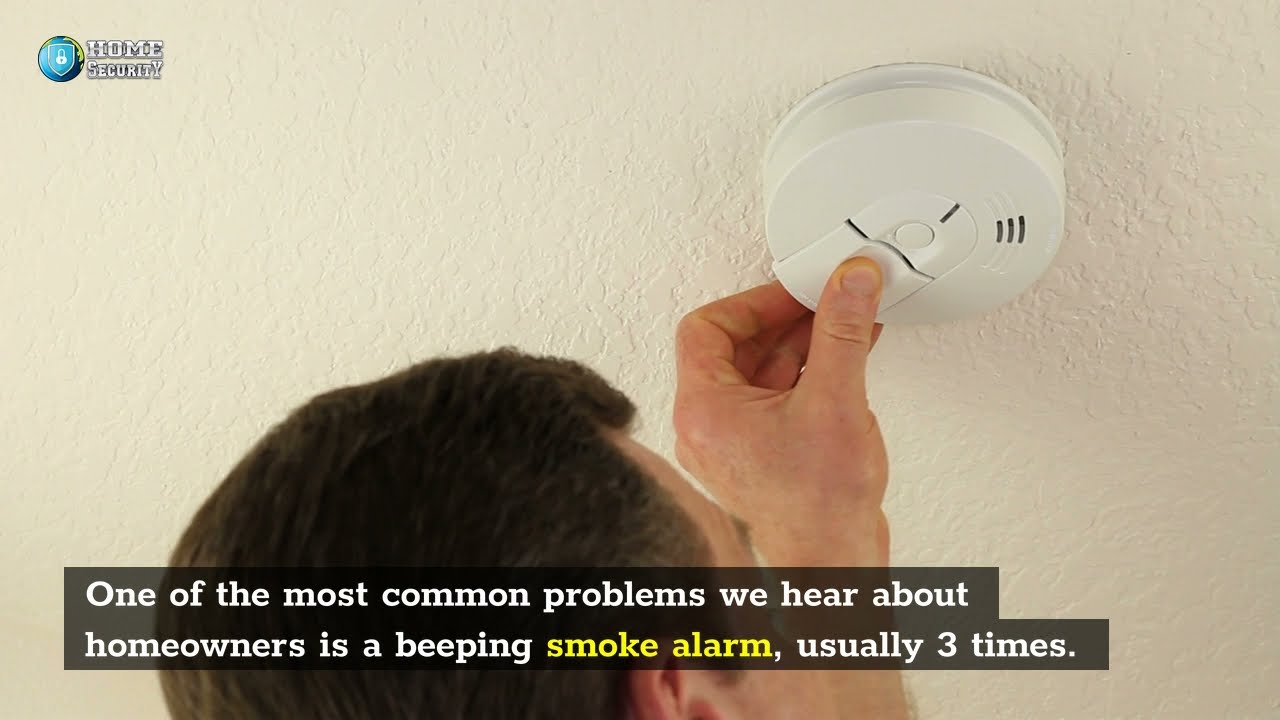
While a single chirp usually signifies a low battery (your detector whispering, "Feed me!"), that distinct triple chirp is often a different beast altogether. For many modern smoke detectors, three chirps typically indicate a malfunction or an error within the unit itself. This isn't the "change my battery" call; it's more like, "Houston, we have a problem." Sometimes, a build-up of dust can confuse the sensors, leading to these error chirps. In hardwired, interconnected systems, three chirps could also point to an issue with the wiring or communication between units, requiring a bit more investigation. The crucial variation here is that unlike a low battery, a malfunction means the unit might not detect smoke properly, which is why addressing it promptly is so important.
Must Read
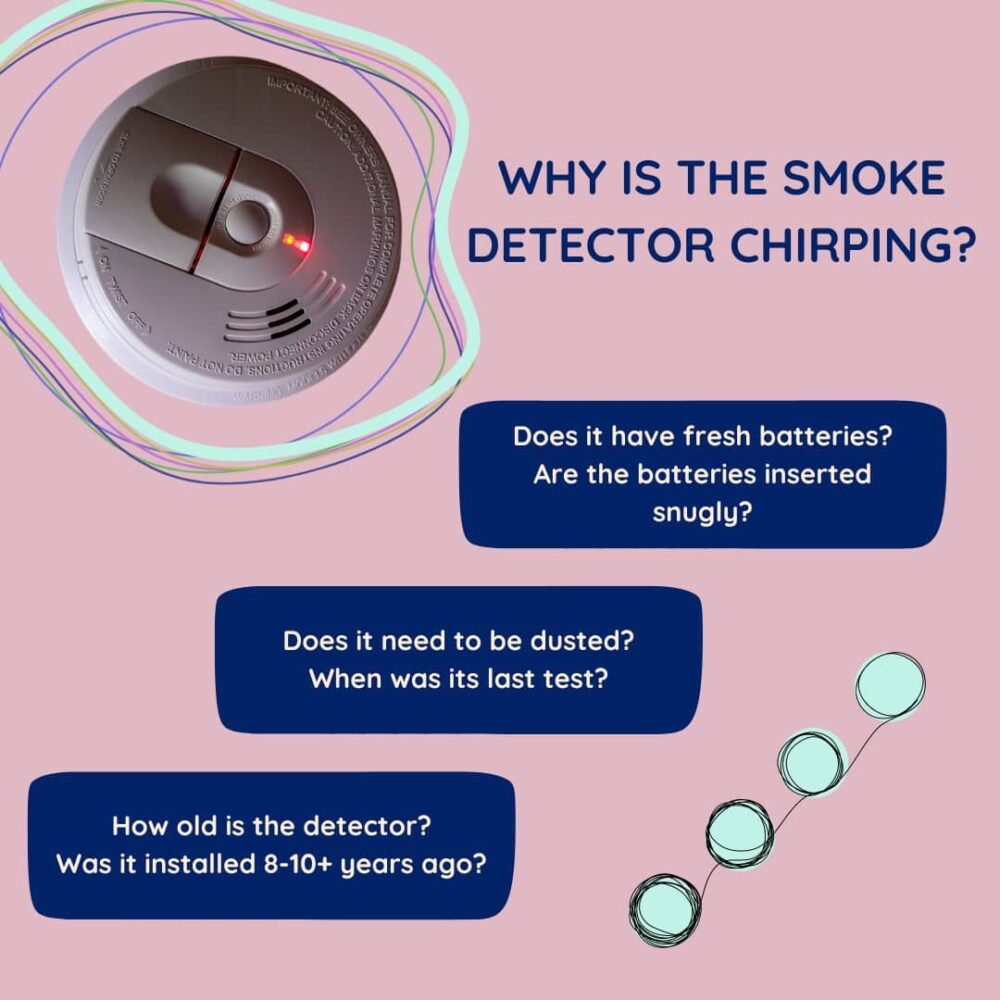
Ready to silence the siren? Here are some simple, practical tips to get started. First, identify the specific unit that's chirping. If you have several, this can be the trickiest part! Once found, the very first step, even if it's chirping three times, is often to replace the battery. While three chirps usually mean malfunction, a dying battery can sometimes cause odd behaviors. If it's a hardwired unit, check its backup battery. Next, give it a good clean. Dust and cobwebs can interfere with sensors, so gently vacuum around the vents or wipe with a damp cloth. If it's still chirping, it might be time to check its age. Smoke detectors have a lifespan, typically 7-10 years. Look for a "replace by" date on the back of the unit. If it's expired or relatively old and still chirping after a battery change and cleaning, it's likely time for a replacement. Don't forget to test the unit after any changes!
Solving the mystery of the three chirps is incredibly satisfying. Not only do you restore the tranquility of your home, but you also ensure that a crucial safety device is functioning correctly. It’s a small act of maintenance that brings immense value and peace of mind, making your home a safer, quieter, and happier place for everyone. Enjoy the quiet!