
Why Is Carbon Monoxide Detector Beeping
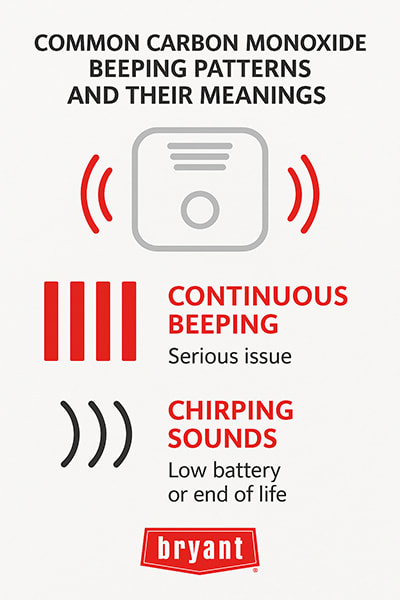
Ah, that sound! The sudden, unexpected beep-beep-BEEP slicing through the peaceful hum of your home. It’s enough to make your heart jump, right? One moment you’re scrolling through cat videos, the next you’re convinced your house is about to stage a dramatic exit.
But wait! Before you leap out the window in a flurry of panic (or grab a broom to whack the noisy culprit), let’s talk about that little guardian angel on your wall: your Carbon Monoxide detector. This isn't just a random noise generator; it's practically a superhero in a plastic casing!
Most of the time, that startling symphony isn't a sign of immediate doom. Instead, it's your diligent device trying to tell you something important. Think of it as your house's chatty, albeit sometimes dramatic, messenger.
Must Read
The Beep-Beep-Boop Symphony: What's It Really Saying?
Your CO detector has a whole repertoire of beeps, chirps, and alarms. Each one is a coded message, and once you crack the code, you'll feel like a secret agent. Mostly, these messages are pretty mundane, like "I'm hungry!" or "I'm old!"
Let's decode these common chatterboxes so you can respond like the calm, collected homeowner you are. No need for heroics just yet!
Reason #1: The Hungry Little Battery
This is arguably the most common, and thankfully, the easiest to fix! Your CO detector, much like a tiny, electronic pet, needs to be fed. When its batteries start to run low, it lets out a gentle, repetitive chirp. It's not a full-blown alarm, more like a polite, persistent request for a snack.
Imagine your detector saying, "Excuse me, friend, my power is dwindling! A fresh set of batteries would be lovely." This low-battery warning usually comes as a single chirp every 30 to 60 seconds. It’s annoying, yes, but it’s your detector’s way of ensuring it stays on duty.
What to do: Grab some fresh batteries! Most detectors use standard AA or 9V batteries. Pop open the compartment, swap them out, and listen for the sweet sound of silence (or a quick "all clear" chirp). Crisis averted, and your tiny hero is recharged and ready to protect!
Reason #2: The Golden Years Beep – "I'm Retired!"
Believe it or not, your CO detector has a shelf life! It's not meant to protect you forever. Over time, the internal sensors that detect carbon monoxide can become less sensitive or even fail. This means your trusty protector can only do its job for so long.
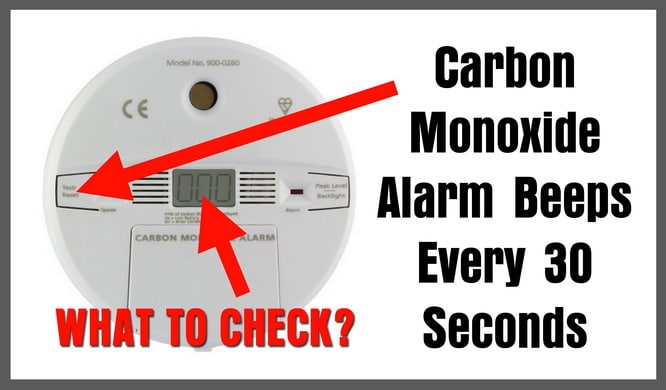
Most CO detectors have a lifespan of about 5 to 7 years. When they hit their retirement age, they often start beeping in a specific pattern to let you know their watch has ended. This "end-of-life" alert is usually a more insistent series of beeps, different from the low-battery chirp.
What to do: Check the back of your detector for a manufacturing date or an "expiration" sticker. If it's reached its golden years, it's time to graciously thank it for its service and replace it with a brand-new model. Think of it as upgrading your home security system – new gadgets, new peace of mind!
Reason #3: The "Oops, Too Close!" Beep
Sometimes your detector is just being a little too enthusiastic about its job because it’s placed a bit too close to a source of very tiny, harmless CO emissions. Things like a gas stove that's just been lit, a fireplace puffing a little, or even very strong cleaning chemicals can sometimes trigger a brief, less intense alert.
It’s like your smoke detector yelling "FIRE!" every time you burn toast. It's just doing its job, but sometimes with a bit too much gusto. This often happens if the detector is right next to an appliance or in a very poorly ventilated area that momentarily builds up minuscule, non-dangerous amounts of gas.
What to do: If you suspect this is the case, try relocating your detector. It should be at least 15-20 feet away from fuel-burning appliances to avoid these false alarms. Give it a new vantage point, and it might just calm down.
Reason #4: The "Just Kidding... Maybe?" Glitch
Let's be honest, electronics can be a bit quirky sometimes. A sudden power surge, a quick brown-out, or even just a little dust can sometimes make your CO detector throw a temporary fit. It's like your computer freezing – sometimes a quick restart is all it needs.
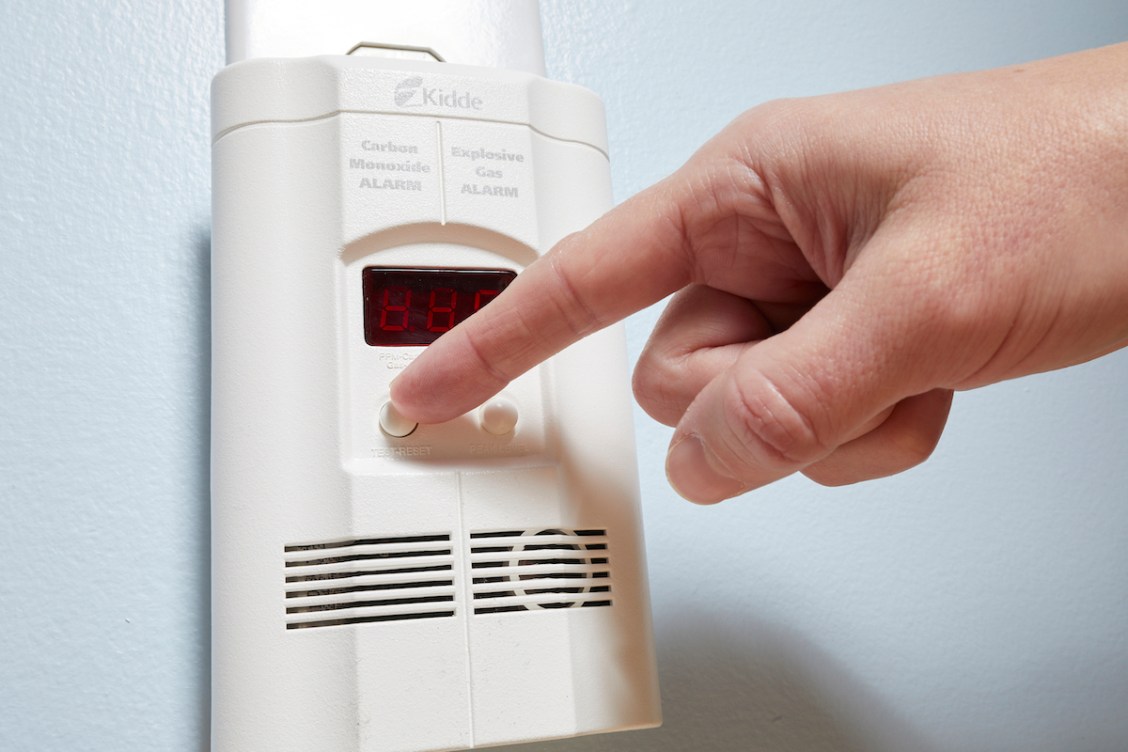
This might manifest as a brief, unexpected alarm that then stops, or a persistent beep that doesn't fit the low-battery or end-of-life patterns. It's the detector's version of a momentary existential crisis.
What to do: Try resetting the unit. Many detectors have a "test/reset" button. Press and hold it for a few seconds. If the beeping stops and doesn't return, it might have just been a temporary hiccup. However, if the weird beeping continues, don't dismiss it! Better safe than sorry.
The Serious Beep: When It's NOT a Joke!
Now, while most beeps are easily explained, there's always the chance that your detector is sounding its full, urgent, ear-splitting alarm for a very, very serious reason. This is when your little superhero truly earns its cape.
"Carbon Monoxide: The Invisible, Odorless Ninja!"
This is the big bad wolf that your detector is specifically designed to fight. Carbon Monoxide (CO) is a colorless, odorless, and tasteless gas. You can't see it, you can't smell it, and you can't taste it. This makes it incredibly dangerous because you won't know it's there until it's too late. It silently displaces oxygen in your blood, making you sick and, in high concentrations, can be fatal.
Where Does This Sneaky Ninja Hide?
CO is produced whenever fuel is burned. In our homes, common sources include malfunctioning furnaces, leaky water heaters, gas stoves, fireplaces, wood-burning stoves, and even clogged dryer vents. Anything that burns natural gas, propane, oil, kerosene, wood, or charcoal can produce CO.
Even running a car in an attached garage can quickly fill your home with dangerous levels of CO. That's why your detector is placed strategically – it's listening, or rather, sensing, for this unseen threat.
The Emergency Dance: What To Do RIGHT NOW!
If your CO detector is blaring its full, high-pitched, continuous alarm – this is NOT a drill. This means it has detected a potentially dangerous level of carbon monoxide.
Step 1: Don't Panic (but act fast!). Take a deep breath. Your detector is doing its job by warning you.
Step 2: Ventilate! Immediately open all windows and doors to air out your home. This can help disperse any CO that might be present.
Step 3: Get Out! Evacuate everyone from the house, including pets. Don't linger to grab belongings. Fresh air is your priority.
Step 4: Call the Pros! Once you are safely outside, call 911 or your local fire department. Tell them your CO detector is alarming. They have the equipment to safely check for CO and determine the source.
Step 5: Stay Out! Do not re-enter your home until the emergency services have given you the all-clear. They will let you know when it's safe to go back inside.
Your Little Beeping Buddy: Keeping It Happy & Healthy
Your carbon monoxide detector is more than just a piece of plastic; it's a vital safety device. It quietly stands guard, ready to shout a warning when danger is near. Treating it well ensures it can always protect you and your loved ones.
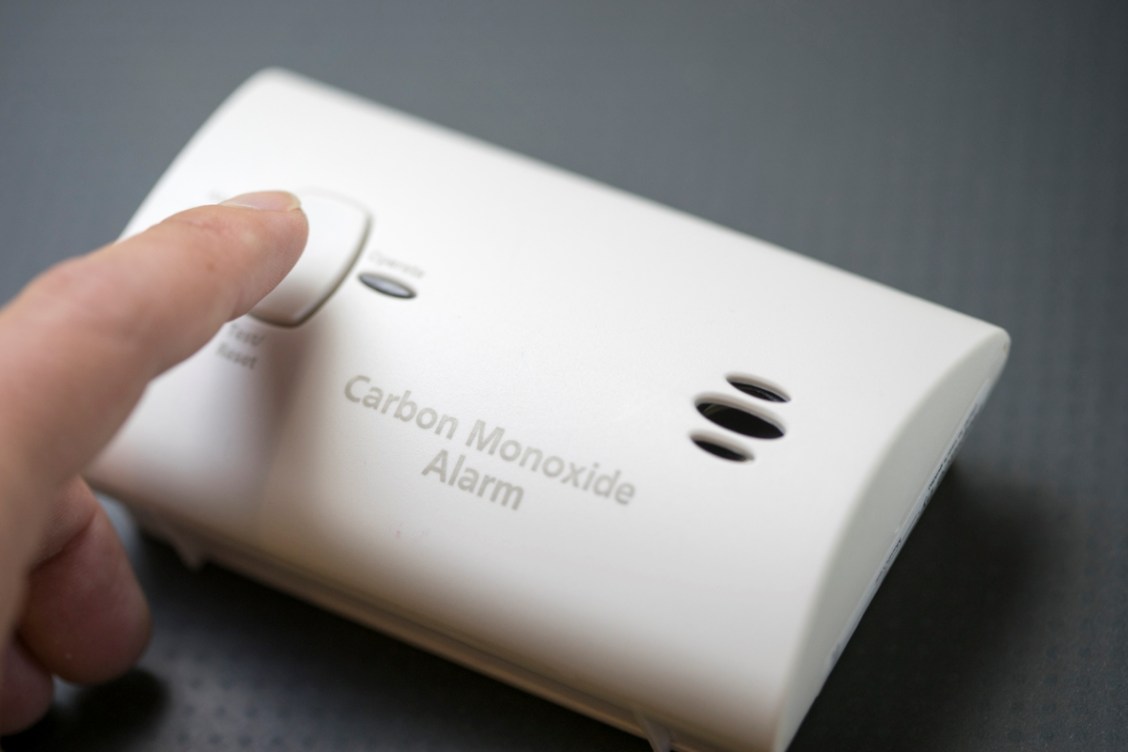
Regular Check-Ups
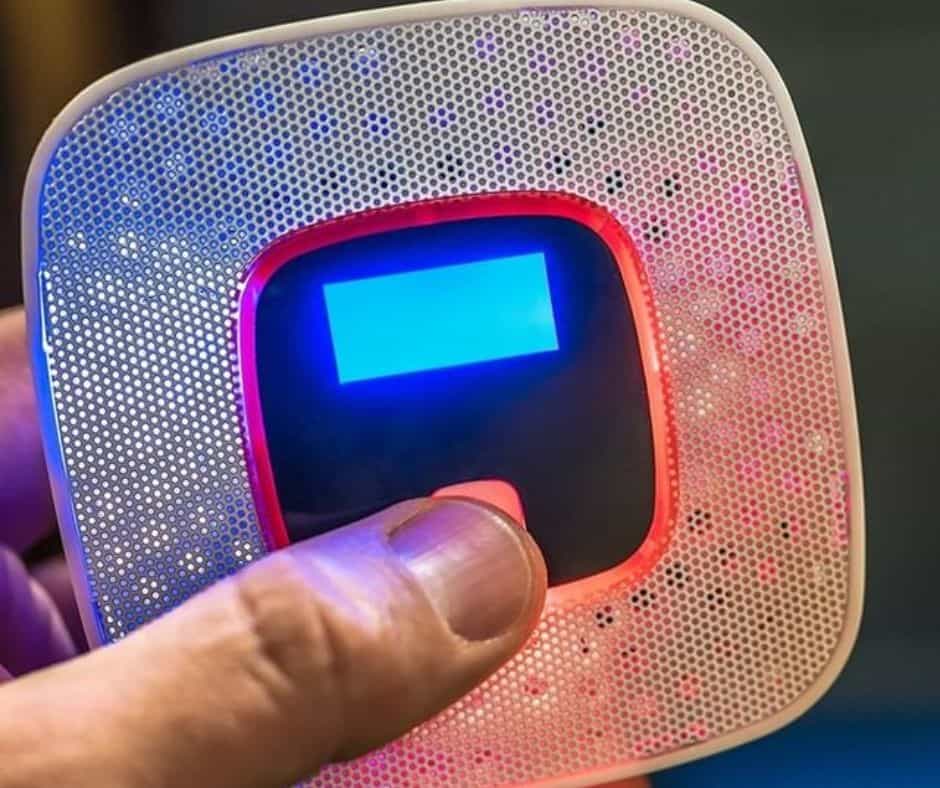
Just like you have a "check engine" light, your CO detector has a test button! Press it once a month to ensure the alarm sounds and the unit is functioning. It’s a quick little reassurance that your buddy is awake and ready.
Remember that low-battery chirp? To avoid it altogether, make a habit of changing the batteries annually. A good rule of thumb is to change them when you change your clocks for Daylight Saving Time – "spring forward, fall back, change batteries!"
Know Its Birthday!
As we talked about, detectors have a lifespan. Don't forget to check the expiration date on the back of your unit! Mark it on your calendar or set a reminder. When it's time, replace the entire unit to guarantee you have the most reliable protection.
Upgrading to newer models can also offer additional features, like digital readouts of CO levels or integration with smart home systems. It's like giving your home a high-tech bodyguard!
Professional Sniff Tests
Beyond your detector, having your fuel-burning appliances (furnace, water heater, stove, fireplace) professionally inspected annually is a super smart move. A qualified technician can spot potential problems and ensure everything is running efficiently and safely, preventing CO leaks before they even start.
Think of it as preventive medicine for your home – catching little issues before they become big, hazardous ones.
So, the next time that little beeper starts its symphony, you won't just hear a noise; you'll understand its message. Whether it's asking for new batteries, signaling its retirement, or, in the rare but critical instance, screaming a true warning, you'll be prepared. Embrace the beep! It's your personal, vigilant protector, always looking out for you. And that, my friend, is a truly comforting sound.