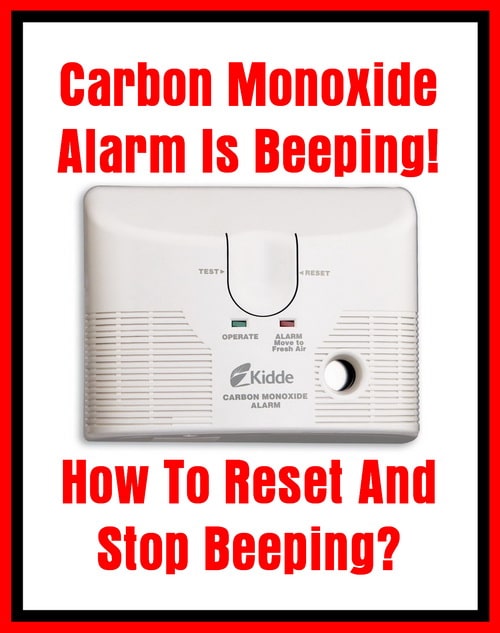
Why Does My Carbon Monoxide Keep Beeping
Ah, the sudden, shrill shriek! Your heart leaps, a jolt of panic zings through you, and you scramble to locate the source of the ear-splitting clamor. Is it a fire? A break-in? No, it’s just your carbon monoxide detector, once again demanding your attention with its insistent, high-pitched wail. For such a vital guardian, it certainly has a knack for startling us out of our socks, often for reasons that are, well, surprisingly mundane.
The Great Impostors: When Your Detector Has a "Bad Hunch"
Before you dive headfirst into a full-blown emergency meltdown, let’s talk about the usual suspects behind those unexpected beeps. More often than not, your vigilant little sensor isn’t actually detecting the invisible, odorless menace it’s designed for. Instead, it’s likely reacting to something far less sinister, and sometimes, frankly, quite amusing.
One common culprit? The humble, often overlooked, dust bunny. That’s right. Just like your smoke detector, CO detectors can get a bit clogged with household dust, pet hair, and general detritus. When these tiny particles accumulate, they can interfere with the sensor, tricking it into thinking there’s an issue. It’s like a perpetually grumpy old neighbor complaining about kids on the lawn, even when they’re just chasing butterflies. A gentle vacuum or a quick wipe-down often calms it right down. Who knew a clean home could be a quieter home?
Must Read
Then there’s the notorious steam-induced panic. Ever taken a wonderfully hot, steamy shower only to have your detector go off a few minutes later? You’re not alone. High humidity and steam, especially if the unit is located too close to a bathroom, can sometimes trigger a false alarm. It’s almost as if your detector is a drama queen, prone to hysterics whenever the atmosphere gets a little too thick with moisture. A little ventilation usually sorts it out.
And let’s not forget the cooking calamities. While your CO detector isn't usually activated by burnt toast (that’s the smoke detector’s job!), intense cooking fumes, especially from things like searing meats or using gas stoves extensively without proper ventilation, can occasionally confuse the sensitive sensor. It’s as if your detector is silently judging your culinary skills, mistaking your adventurous stir-fry for a lurking danger.

“Sometimes, I think my carbon monoxide detector just wants a hug, or maybe a new battery. It certainly has a knack for getting attention.”
The Age Factor: It Just Wants a Nap
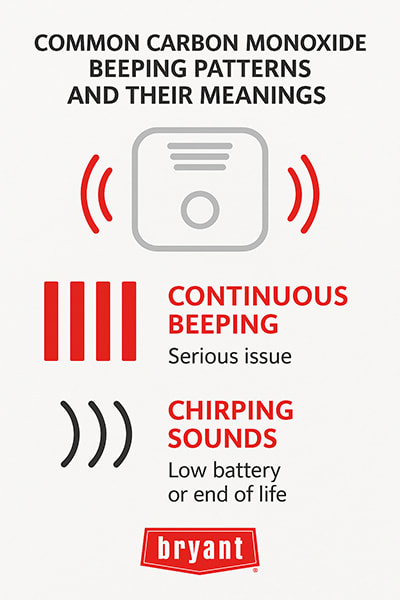
Beyond the false alarms, there’s a more fundamental reason your detector might be chirping at you: it’s getting old. Most carbon monoxide detectors have a lifespan of about 5-7 years. After this time, the internal sensors can degrade, becoming less accurate and more prone to random beeps or, more commonly, a regular, low-battery-like chirp that signifies it’s time for retirement. This isn't a plea for help from CO; it's a polite, albeit persistent, request for a well-deserved replacement. Think of it as a loyal, elderly pet letting you know it's ready for its final, peaceful slumber.

Speaking of batteries, the most common and often overlooked reason for a persistent, single "chirp" is simply a dying battery. This isn't the full-blown alarm, but a gentle reminder that your guardian needs a power boost to stay vigilant. It's a small, rhythmic sound designed to be annoying enough that you can't ignore it, yet not so alarming that you call the fire department. A quick change of batteries, and often, blissful silence returns.
When It’s Not Crying Wolf: The Silent Hero
Of course, for all the amusing false alarms, it’s crucial to remember why we have these noisy little devices in the first place. When your carbon monoxide detector screams at full volume, it could truly be saving your life. Carbon monoxide is known as the silent killer because it’s a colorless, odorless, tasteless gas that can build up to dangerous levels without any warning. It's produced by incomplete combustion in everyday appliances like furnaces, water heaters, gas stoves, fireplaces, and even idling cars in attached garages.
In these critical moments, that obnoxious shriek transforms from an annoyance into a heartwarming testament to its invaluable service. It's not a prankster; it's a hero. It's the steadfast friend who might occasionally overreact to a shadow but is always there to truly protect you when danger is real. Understanding its "quirks" – the dust, the steam, the old age – helps us to not only appreciate its true purpose but also to troubleshoot those head-scratching moments with a little less panic and a lot more humor.
So, the next time your carbon monoxide detector starts its impromptu concert, take a deep breath. Check the simple things first. Give it a gentle clean, a fresh battery, or perhaps, if it's nearing its golden years, consider a shiny new replacement. Embrace its drama, for behind the beeps, whether false or true, lies a commitment to your safety that truly deserves our appreciation, even when it’s interrupting our favorite show.