Why Do Smoke Detectors Go Off At Night

Ah, the dreaded 3 AM symphony! You’re deep in dreamland, perhaps saving the world or enjoying a quiet moment, when suddenly – BEEP! BEEP! BEEP! Your smoke detector springs to life with an ear-splitting urgency, sending your heart rate soaring and your peaceful slumber into oblivion. It's a common, infuriating, and often mysterious occurrence. Why do these guardians of our safety seem to have a particular penchant for going off in the dead of night? Let's unravel this nocturnal mystery, because understanding it can not only save your sleep but, more importantly, keep you safe.
First, let’s remember why these noisy little gadgets exist. Smoke detectors are vital life-savers. They’re designed to give you an early warning of a potential fire, allowing you precious minutes to escape. That’s their primary, non-negotiable job. While their late-night antics can be frustrating, it’s a small price to pay for the incredible peace of mind and protection they offer when they’re working correctly.
So, why the nighttime drama? It’s rarely a ghost trying to mess with you, though it often feels like it. One of the biggest culprits is temperature fluctuations. As your home cools down at night, the air contracts. This can cause subtle air currents and shifts within your home's environment. Smoke detectors are highly sensitive to even the smallest particles, and these nighttime air movements can stir up dust, cobwebs, or even tiny insect particles that have accumulated in the sensor chamber, mimicking the presence of smoke.
Must Read
Another major player in the nighttime alarm game is the low battery chirp. Batteries, like many things, become less efficient when it’s cooler. A battery that was barely holding its own during the warmer daylight hours might finally dip below the critical voltage threshold needed to power the detector effectively once the temperature drops in the wee hours. The detector then faithfully signals its need for a fresh power source, often at the most inconvenient time possible.
And let's not forget about lingering culprits! Even if you cooked dinner hours ago, tiny, invisible particles from a smoky meal (or even burnt toast from breakfast) can float around and settle. When the air currents shift at night, these particles might be swept into your detector’s sensor. Similarly, steam from a late-night shower or humidity changes can sometimes trick the sensor, especially if the detector is placed too close to a bathroom.
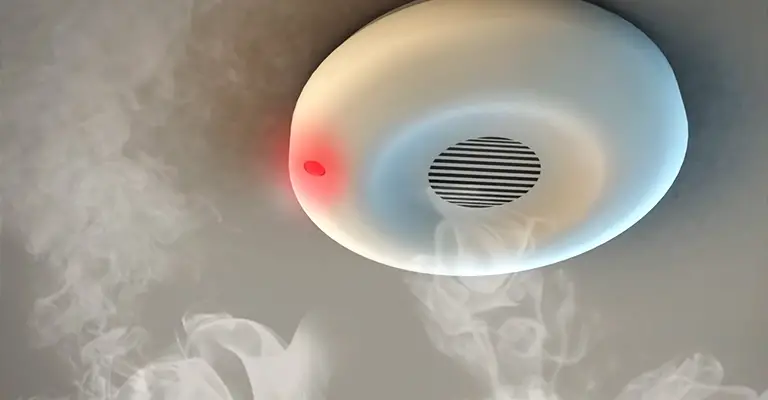
Finally, sometimes it's just plain old age. Smoke detectors don't last forever. Their sensors can become less reliable over time due to dirt buildup or general wear and tear, leading to false alarms. Most manufacturers recommend replacing smoke detectors every 10 years.
What can you do? Don't disable it! Instead, be proactive. Change your batteries at least once a year (a good trick is to do it when you change your clocks for daylight saving time). Regularly vacuum or dust around your detectors to prevent buildup. And if a detector is consistently giving false alarms, especially after cleaning and battery replacement, it might be time to replace the unit entirely. By understanding these common reasons, you can minimize those jarring nighttime wake-up calls and ensure your smoke detector is truly ready to protect you when it matters most, not just when you’re trying to catch some Zs.