
Why Did Fire Alarm Go Off
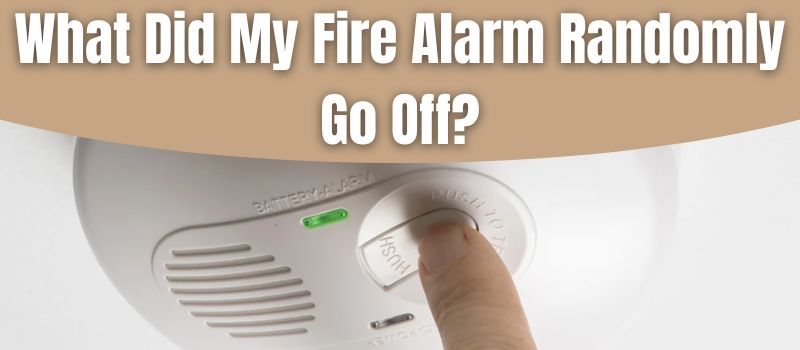
You know that sound, right? That sudden, ear-splitting, blood-curdling shriek that makes your heart leap into your throat and your cat rocket up the curtains. Yep, we're talking about the fire alarm going off! It’s rarely a calm, gentle ding. Oh no, it's always a full-blown concert of chaos, usually at 3 AM or right when you're on a crucial Zoom call.
But seriously, what’s the deal? Why do these noisy little guardians decide to throw a fit? It’s often not the dramatic inferno we picture in our minds. More often, it’s a parade of utterly mundane culprits setting off the siren. Let's dive into the hilarious, the baffling, and the utterly British (or American, or Australian!) reasons why your fire alarm might just be having a moment.
The Usual Suspects: It’s Not Always a Blaze!
Top of the list, the undisputed champion of false alarms, the silent-but-deadly ninja of kitchen mishaps: burnt toast. Admit it, you've been there. You just wanted a perfectly crisp slice, but for a split second, you looked away. Suddenly, your breakfast is a carbonized brick, and your fire alarm is screaming like a banshee. It’s a classic for a reason!
Must Read
Then there’s the sneaky assailant known as steam. Yes, good old H₂O in gas form. Ever taken a super hot, luxurious shower, filling your bathroom with a delightful cloud? And then, BAM! The fire alarm joins the party. It thought your relaxing spa experience was actually a perilous smoke bomb. Thanks, alarm, for the unnecessary adrenaline rush!
Our culinary adventures also play a big role. Think about those times you’ve made a pizza a little too crispy, or attempted to make popcorn but ended up with a small, smoky volcano. Even cooking something with a high smoke point, like searing a steak, can send those sensors into a frenzy. It’s like your alarm is saying, "Whoa there, Gordon Ramsay, maybe dial it back a notch!"
And let's not forget the tiny, almost invisible saboteurs: dust bunnies. Seriously! A build-up of dust inside the alarm’s chamber can mimic smoke particles, triggering the alert. It's like a tiny, dusty ghost in the machine. Sometimes, just a rogue spider spinning a web inside can block the sensor, causing a dramatic protest. Nature finds a way, even into your fire alarm!
How These Noisy Nannies Actually Work
So, how do these things even know when to go off? Most home fire alarms are either ionization or photoelectric smoke detectors. Sounds fancy, right? But it's actually pretty cool.
Ionization alarms are like tiny, invisible sniffers. They have a small bit of radioactive material (don't worry, it's safe!) that creates an electrical current between two plates. When smoke particles enter, they disrupt this current, and the alarm goes off. They're super good at detecting fast-flaming fires that produce small, invisible smoke particles.
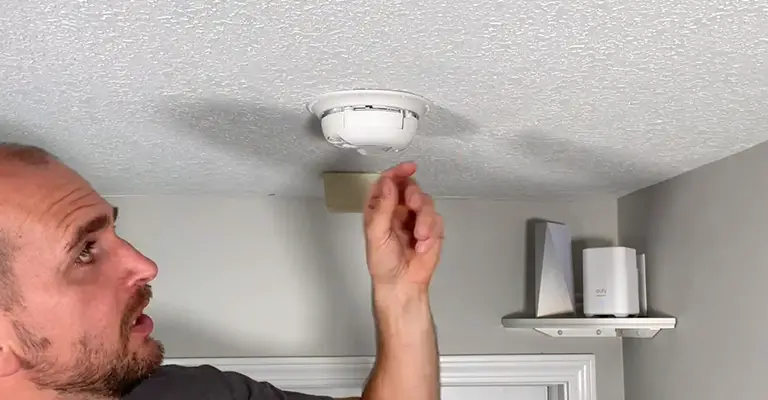
Photoelectric alarms are more like vigilant watchdogs with eyes. They have a light source and a sensor. If smoke enters the chamber, it scatters the light, directing it onto the sensor, which then yells for help. These are brilliant for detecting slow, smouldering fires that produce larger, visible smoke particles. That's why they're so sensitive to things like steam or that perfectly (not) burnt toast!
There are also heat detectors, but these generally only go off when the temperature reaches a certain threshold. They’re less prone to false alarms from your cooking mishaps, but they respond slower to actual fires. Most homes have smoke alarms, which are way more sensitive and, yes, a bit more dramatic.
The Battery Blues and the False Alarm Symphony
Ever woken up to a random, intermittent chirp? Not a full-blown alarm, just a polite (or not-so-polite) chirp, every 30-60 seconds? That, my friend, is your fire alarm politely telling you its battery is dying. It’s the alarm's way of saying, "Hey, human, I’m running on fumes here! A little juice, please?" It’s annoying, sure, but it’s a vital warning. Don't ignore it!

And then there’s the truly mysterious false alarm. The one where you’ve done nothing wrong, nothing's burning, and yet the alarm wails anyway. Sometimes it’s a momentary power surge, an old unit needing replacement, or perhaps just a very sensitive sensor reacting to a sudden change in air pressure or humidity. It's like the alarm is just having a mood swing!
So, What Do You Do When the Siren Sings?
First and foremost: don't panic! Unless you visibly see flames or thick smoke, it's likely a false alarm. Still, always treat every alarm with respect. Safety first, right?
If it’s a false alarm, your first instinct is probably to rip it off the ceiling. Resist the urge! Instead, ventilate the area. Open windows, turn on fans, get that pesky smoke (or steam, or dust) out. Then, find the reset button on the alarm (it’s usually small and inconspicuous) and press it. If it’s a battery issue, change those batteries ASAP. Make it a habit to check them every six months, like when you change your clocks for daylight saving.

If you have an older alarm, sometimes replacing it is the best solution. They don’t last forever, typically around 10 years. Think of it as upgrading your home’s security system – and your peace of mind!
The Serious Side (But Let’s Keep It Fun!)
Okay, all jokes aside, false alarms can be frustrating, but they serve a crucial purpose. These noisy little devices literally save lives. That burnt toast alarm might feel like an overreaction, but it’s proof that your alarm is working and ready to alert you to a real danger.
They give you those precious moments to escape, to protect your loved ones, and to call for help. So, the next time your fire alarm decides to perform an unscheduled opera, take a deep breath. Appreciate its dedication. Give it a silent nod of thanks. And maybe, just maybe, make sure your toast doesn't get quite so crispy next time.