Why Are My Smoke Detectors So Sensitive
Ever found yourself frantically waving a dishtowel at a shrieking smoke detector, convinced a single burnt crouton has declared a full-blown inferno? Or perhaps a particularly steamy shower set off the alarm, leaving you wondering if your bathroom has suddenly decided to combust? If so, you're not alone! It's a common, often humorous, household frustration, but have you ever stopped to wonder why these little guardians of our homes are so incredibly sensitive?
Let's dive into the fascinating world of smoke detection. At its heart, the purpose of a smoke detector is beautifully simple: to give you an early warning of a potential fire. This isn't just about saving your favorite armchair; it's about saving lives. Fires can start small and spread with astonishing speed, often silently at first. That little alarm, as annoying as it can be when you're just making toast, is designed to be your first line of defense, giving you precious minutes to escape safely. Its sensitivity isn't a design flaw; it's a lifesaving feature.
To understand this sensitivity, it helps to know that not all smoke detectors are created equal. The most common types are ionization and photoelectric. Ionization alarms are incredibly sensitive to tiny, invisible particles of combustion, often produced by fast-flaming fires. This is the type that's most likely to scream at your burnt popcorn or even dense steam from a hot shower, as those tiny water molecules can mimic smoke particles. On the other hand, photoelectric alarms are better at detecting larger, visible particles from slow, smoldering fires, like those caused by an overloaded electrical outlet or a cigarette. Many modern homes wisely use a combination of both, or dual-sensor units, to provide comprehensive protection.
Must Read
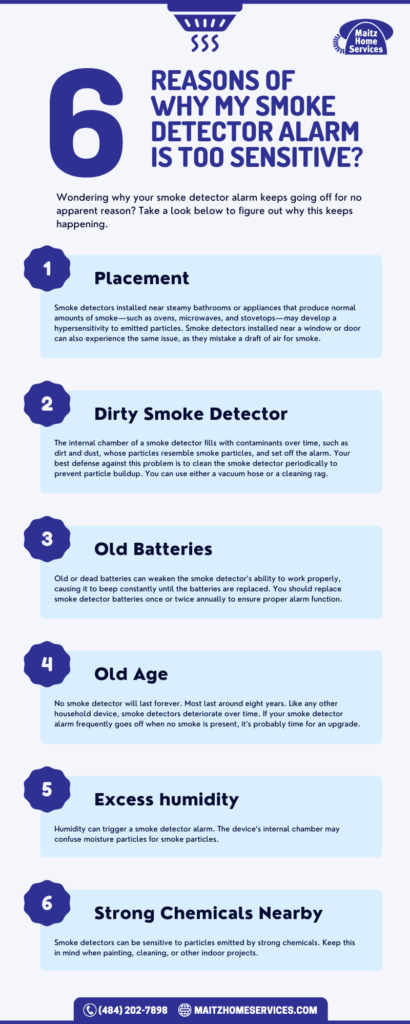
So, what can you do with this newfound knowledge, beyond respecting your detector's vigilant nature? First, try to identify which type you have – it's often labeled on the back. If you have an ionization alarm, you now know why that extra steamy shower or slightly charred dinner can set it off! Second, placement is key. Avoid installing detectors directly above your stove or too close to a steamy bathroom if you can. Always use your kitchen fan when cooking to vent cooking fumes. Regularly clean your detectors to remove dust and cobwebs, as these can accumulate and falsely trigger the alarm. And most importantly, never, ever remove the batteries because of a false alarm. That sensitivity is there for a reason! Embrace it as a quirky, but absolutely essential, part of keeping your home and family safe. Understanding why they're sensitive can turn that moment of frustration into a moment of appreciation for the technology that stands guard.