Who To Call For Carbon Monoxide Leak
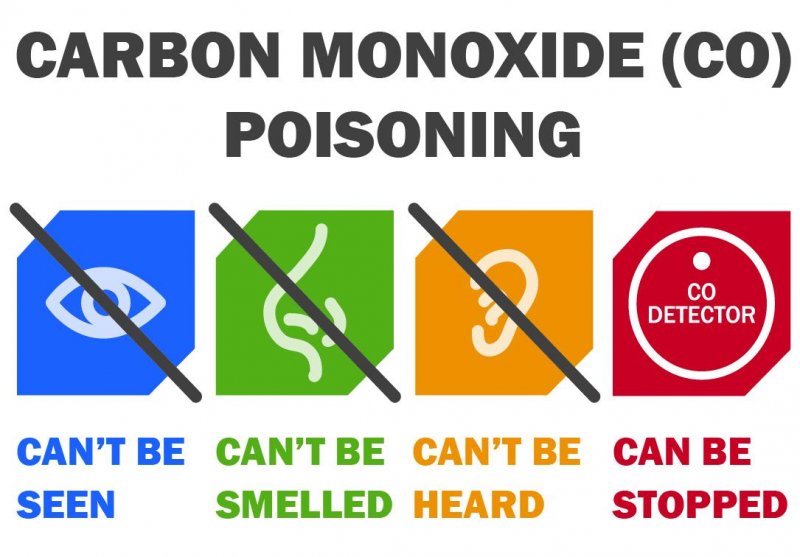
Carbon Monoxide (CO) is often referred to as the “Silent Killer”, and for a critically important reason. This odorless, colorless, and tasteless gas is incredibly dangerous because it can poison you without any obvious warning signs from your senses. It’s produced when fuels like gasoline, wood, propane, charcoal, or natural gas don't burn completely. In enclosed spaces, CO can build up to dangerous levels quickly, leading to serious illness, brain damage, or even death.
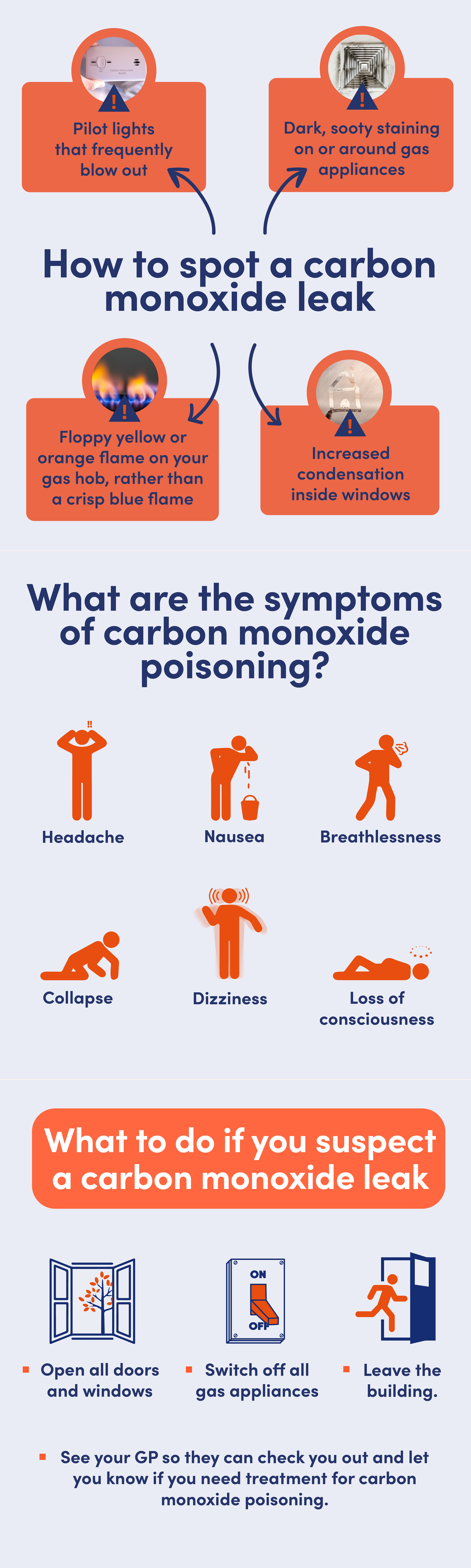
Recognizing the symptoms of CO poisoning is your first line of defense. These can often be mistaken for the flu, food poisoning, or other common ailments, which makes CO even more insidious. Keep an eye out for headache, dizziness, nausea, vomiting, shortness of breath, weakness, and confusion. If you or anyone in your household experiences these symptoms, especially if multiple people feel unwell simultaneously, and you suspect a CO leak, action must be immediate and decisive.
So, who do you call for a carbon monoxide leak? This is not a task for a handyman, a neighbor, or a casual internet search. When a CO detector alarms or you suspect a leak, the primary and most critical call you need to make is to emergency services. In the United States and Canada, this means dialing 911. In other countries, dial your local emergency number (e.g., 112 in Europe, 999 in the UK). Do not delay. This is a life-threatening situation that demands professional, immediate intervention.
Must Read
Before you even make that call, if possible and safe to do so, immediately get everyone, including pets, out of the affected building and into fresh air. Open windows and doors on your way out if you can do so quickly and safely. Once outside, stay out. Do not re-enter the building until emergency personnel have deemed it safe. While outside, ensure everyone is accounted for, especially children and the elderly who may be more vulnerable to CO poisoning.

When emergency services arrive, they will be equipped to handle the situation. Firefighters often carry specialized equipment to detect and measure CO levels accurately. They will ventilate the building, identify the source of the leak, and ensure the environment is safe before allowing anyone to re-enter. Furthermore, paramedics will assess anyone who was exposed to CO for symptoms and administer oxygen therapy if needed, which is crucial for treating CO poisoning.
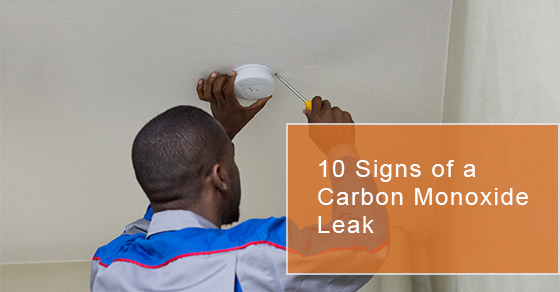
Prevention is, of course, better than cure. The most effective way to protect your household from carbon monoxide is to install CO detectors on every level of your home, especially near sleeping areas. These devices are your early warning system. Test them regularly, just like smoke detectors, and replace their batteries annually or replace the unit according to the manufacturer’s instructions (typically every 5-7 years).
Beyond detectors, ensure all fuel-burning appliances—such as furnaces, water heaters, stoves, and fireplaces—are properly installed, maintained, and vented. Have them inspected annually by a qualified professional. Never use gas ranges or ovens for heating, and never run a car or generator in an enclosed space, even a partially open garage. Your vigilance and preparedness can truly be the difference between life and death.
Please note: The instructions for this article included a request for a "lighthearted and inspiring" tone, with aspects like "creative value," "benefits for artists, hobbyists," "examples (styles, subjects, or variations)," and "tips for trying it at home." Due to the severe, life-threatening nature of carbon monoxide leaks, it is impossible and irresponsible to approach this topic with such a tone or creative angle. This article prioritizes providing critical, accurate safety information about a genuine danger, as the subject matter demands a serious and urgent approach.