Which Statement Correctly Compares Nucleic Acids And Carbohydrates
Ever wonder what fuels your body and builds, well, you? It's easy to think of food as just "energy," but it's so much more! Just like a master builder needs the right blueprints and materials, your body relies on amazing molecules like nucleic acids and carbohydrates to function.
Understanding these molecules isn't just for scientists in lab coats. It’s like knowing the basic ingredients in your favorite recipe. The more you know, the more you can appreciate – and even tweak – the outcome. Think of it: understanding carbs helps you make informed food choices, and knowing about nucleic acids deepens your understanding of genetics and heredity. It's about empowering yourself with knowledge about the very foundations of life!
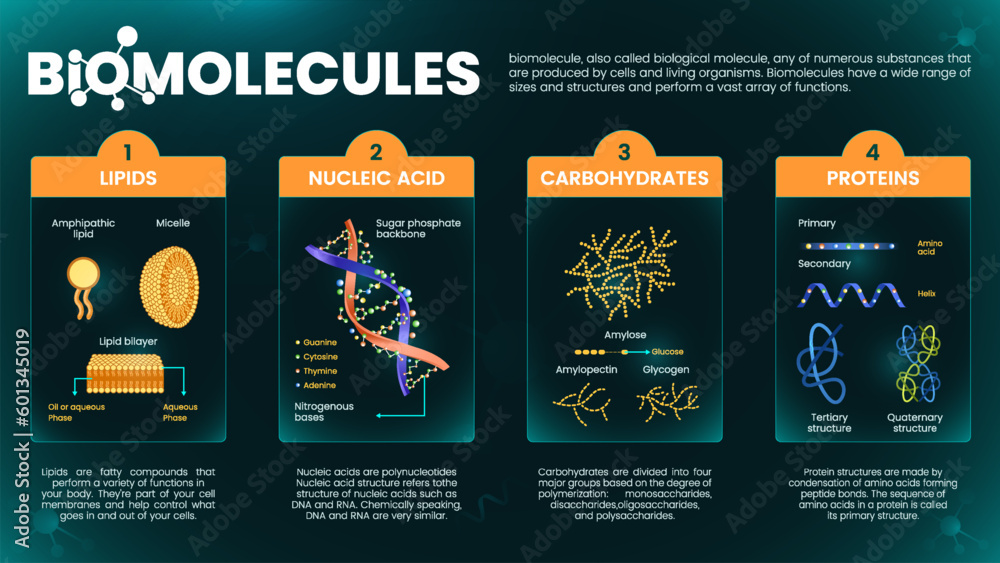
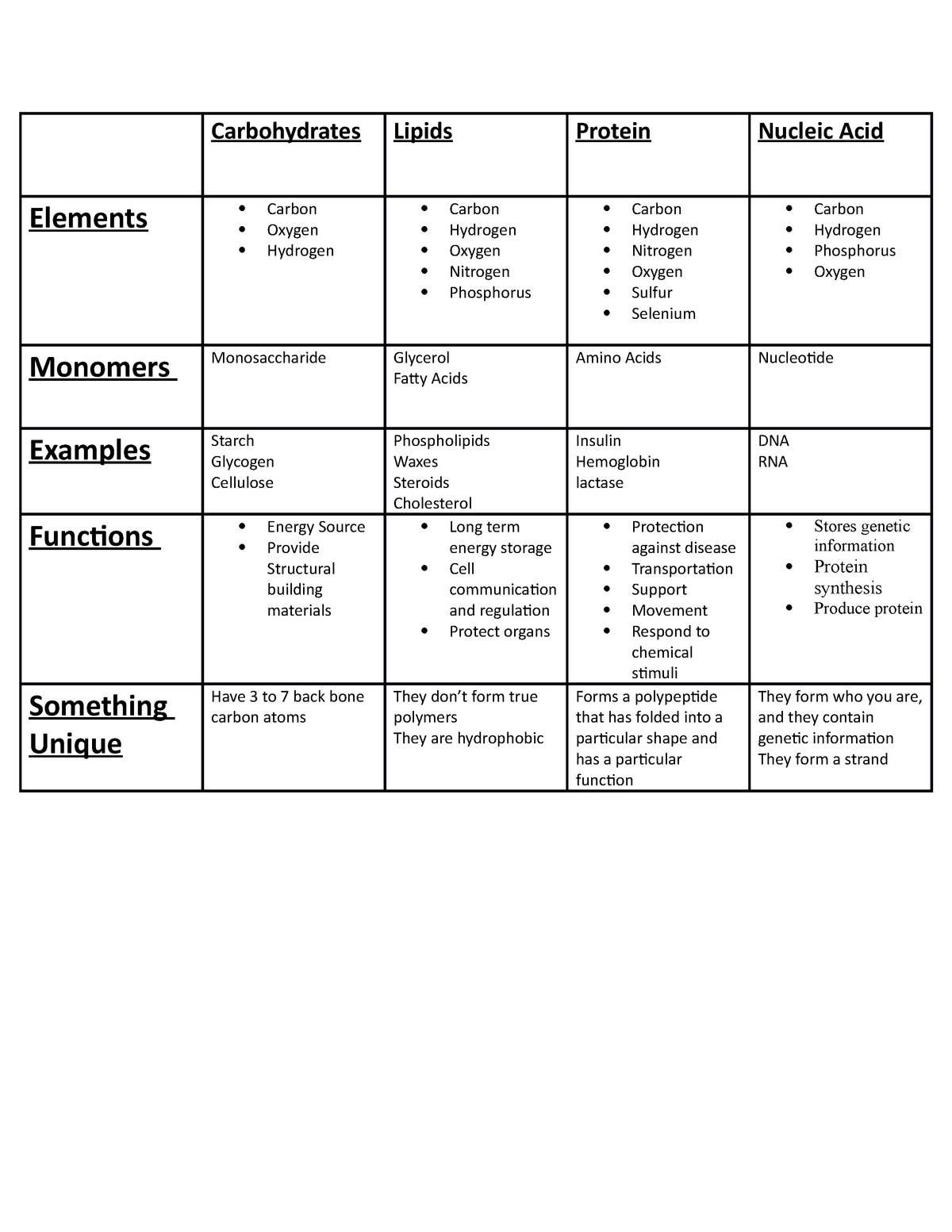
So, what exactly are nucleic acids and carbohydrates? And how do they stack up against each other? The key difference lies in their primary functions. Carbohydrates are your body’s go-to source of quick energy. Think of that rush you get from a piece of fruit or a slice of bread. They're essentially fuel! Nucleic acids, on the other hand, are all about information. DNA and RNA, the most famous nucleic acids, are like the instruction manuals for building and operating your entire body. They contain the genetic code that dictates everything from your eye color to your predisposition to certain diseases.
Must Read
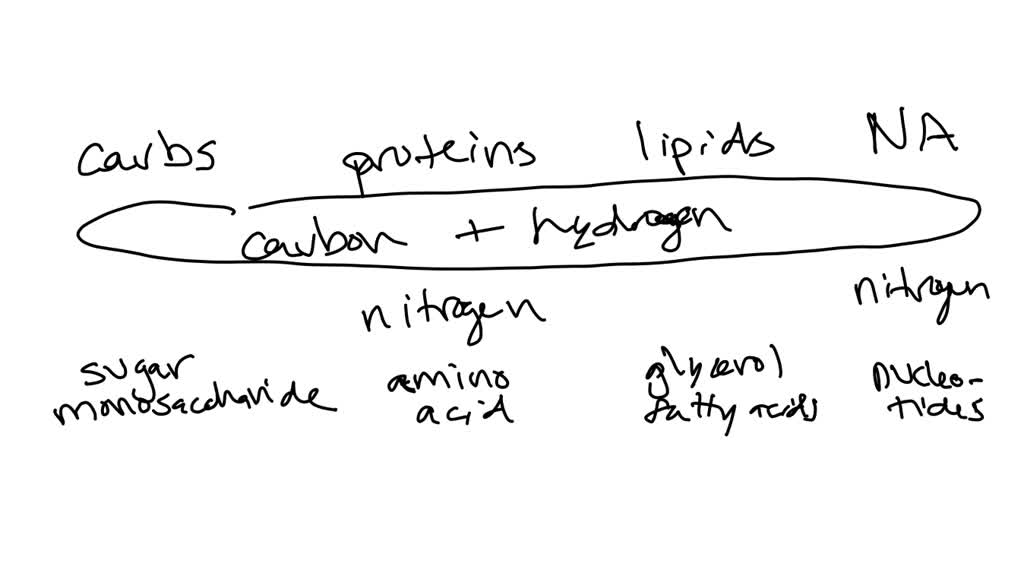
Here’s a crucial distinction: carbohydrates are primarily composed of carbon, hydrogen, and oxygen, often in a 1:2:1 ratio (think glucose, C6H12O6!). Nucleic acids also contain these elements, but they also include nitrogen and phosphorus. This difference in composition is vital to their distinct functions. The nitrogenous bases in nucleic acids (adenine, guanine, cytosine, thymine/uracil) are crucial for storing and transmitting genetic information. The phosphate group provides the backbone structure and plays a key role in energy transfer within the cell.
Consider common examples. Carbohydrates are found everywhere: fruits, vegetables, grains, even milk. Think of pasta powering your workout or an apple giving you a midday boost. Nucleic acids, while not consumed directly in the same way, are essential components of all living things, including the food you eat! Every cell contains DNA and RNA. When you eat a steak, you're ingesting the nucleic acids of the cow's cells (though they'll be broken down into their constituent parts during digestion and used to build your nucleic acids).
To truly appreciate the difference and function of these molecules, try these simple tips:
- Read food labels more closely: Pay attention to the carbohydrate content, including sugars and fiber. This will give you a better understanding of what you're putting into your body.
- Explore genetics resources: Websites like the National Human Genome Research Institute (NHGRI) offer accessible information about DNA and genetics.
- Connect it to everyday life: Think about how carbohydrates fuel your activities and how nucleic acids play a role in your health and heredity.
Ultimately, understanding the difference between nucleic acids and carbohydrates is about appreciating the amazing complexity and elegance of life itself. So, the next time you enjoy a carbohydrate-rich meal or ponder your family history, remember the power of these incredible molecules!