
Which Is The First Step In The Body's Defense Cascade

Our Body's Amazing Defense Force: What Kicks Things Off?
Imagine your body as a super-cool castle, always under potential attack! Bacteria, viruses, and all sorts of nasty invaders are constantly trying to sneak in. So, who's the first line of defense? What brave soul is ready to yell, "Intruder alert!"?
Well, it's not a single person, but a whole network of defenses! It's like a finely choreographed dance, a cascade of events that unfold the moment trouble arrives. Let's dive in to discover the opening act of this incredible show.
The Initial Spark: Detection, Detection, Detection!
The very first step is all about spotting the enemy. Think of it as the castle's super-sensitive alarm system. This system is constantly scanning for anything that looks out of place.
Must Read
Our bodies are equipped with special sensors that recognize invaders. These sensors act like tiny detectives, searching for clues of foreign presence. They're looking for things like unique molecules on bacteria or viruses.
It’s a high-stakes game of "spot the difference!" And the moment something suspicious is detected, the alarm bells start ringing.
Innate Immunity: The First Responders Arrive!
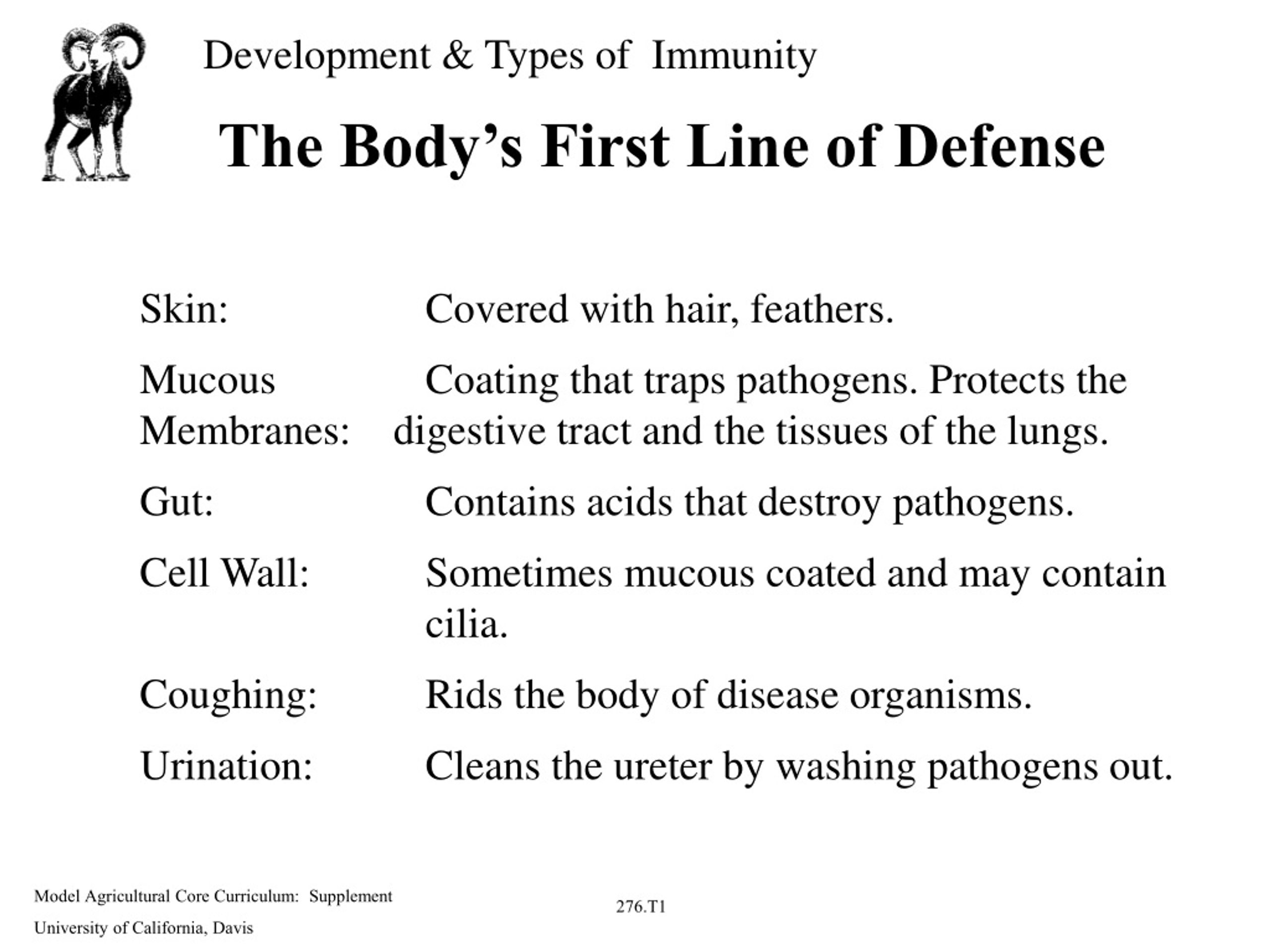
This initial detection triggers what we call the innate immune response. These are your body's immediate, non-specific defenses. They're like the castle's ever-ready guards, always on patrol.
Think of them as your body's first responders! They don't care who the enemy is, they just know there's trouble and react swiftly. No questions asked!

This initial response involves several key players. Get ready to meet some fascinating characters!
The Cellular Heroes: A Quick Roll Call
Among the first on the scene are cells like macrophages. They are like the garbage trucks of the immune system, engulfing and digesting invaders. They are constantly patrolling, gobbling up anything that shouldn't be there.
Then there are the natural killer cells. These are the assassins of the immune system. They target and destroy infected or damaged cells, preventing the spread of the problem.
And don't forget the dendritic cells! These are like the spies, gathering information about the enemy. They then present this intel to the adaptive immune system, so it can create a targeted response.
Inflammation: Setting the Stage
One of the most noticeable signs of this initial defense is inflammation. Think of it as the body's way of calling for backup. It's a complex process that helps to contain the infection.
Inflammation causes redness, swelling, heat, and pain. While it might be uncomfortable, it's a sign that your body is fighting back! Blood flow increases, bringing more immune cells to the area.
It's like turning up the heat on the enemy, making it harder for them to survive and spread.
The Adaptive Immune System: The Big Guns Arrive
While the innate immune system is the first responder, the adaptive immune system is the specialist unit. It's slower to activate, but it's much more precise and powerful.
This system learns about the specific threat and creates a targeted response. It's like developing a custom weapon to defeat a particular enemy.
The adaptive immune system involves T cells and B cells. These cells work together to identify and eliminate the threat, and they also create memory cells to protect against future infections.
A Continuous Cycle: Never Letting Down Guard
The body's defense cascade isn't just a one-time event. It's a continuous cycle of detection, response, and adaptation. Your immune system is constantly working to protect you from harm.
It's an incredible feat of biological engineering! The speed and efficiency of this system is truly astonishing.
![[ANSWERED] The first step in a cascade is a resu... - Anatomy and](https://media.kunduz.com/media/sug-question-candidate/20220513153946367016-4264202.jpg?h=512)
So, the next time you get a cut or feel a sniffle coming on, remember the amazing cascade of events that are happening inside your body. It's a reminder of the incredible power of the human body to defend itself!
Want to Learn More?
Intrigued? There's a whole universe of information about the immune system waiting to be explored. From specific cell types to complex signaling pathways, the more you learn, the more fascinating it becomes.
Consider diving deeper into the world of immunology. You might be surprised by what you discover! You can start by searching on Google, or check out your local library to start on this incredible journey!
Who knows, maybe you'll even become a future immunologist, helping to unlock even more secrets of the body's defense force!