Where To Place Smoke Detectors In Home
:max_bytes(150000):strip_icc()/where-to-place-smoke-detectors-1152485_V2-3c5086adfaa646d69d312b45d342c621.png)
Okay, so you know those little round things on your ceiling or wall? The ones that usually only make their presence known with an ear-splitting shriek when you burn toast? Yeah, smoke detectors! We all have them, we all think we know where they should go, but honestly, it's a bit like a secret handshake, isn't it? Let’s unravel the mystery, grab a coffee, and chat about where these little lifesavers truly belong.
Every Level, Seriously?
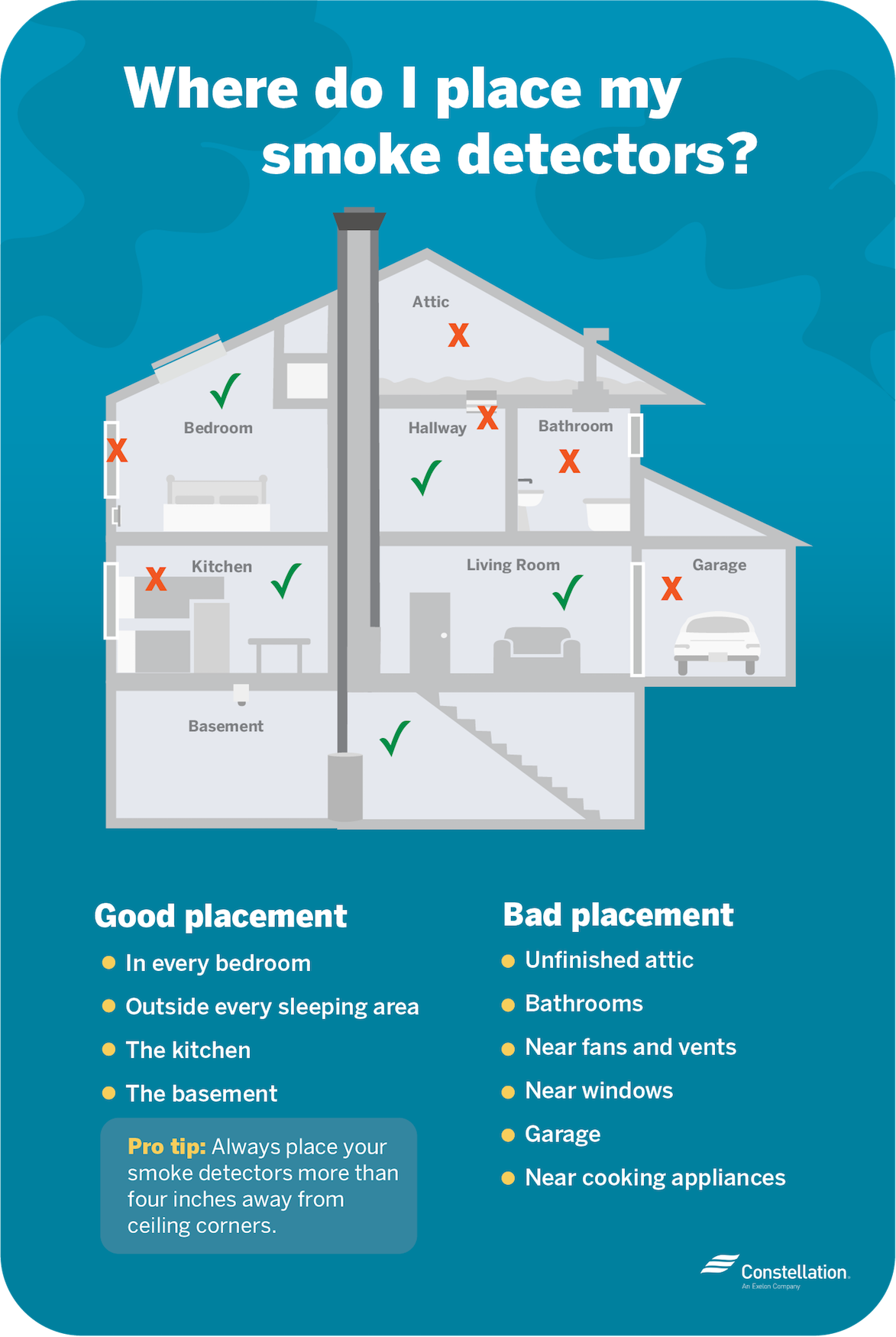
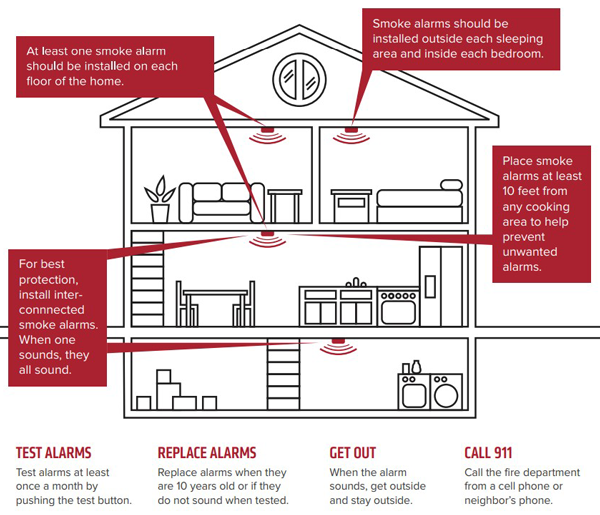
First things first, and this one's a biggie: you need a smoke detector on every single level of your home. And yes, that includes the basement. Don't forget the basement! It's not just for doing laundry and storing questionable holiday decorations. If there's a fire down there, you want to know about it before it becomes a real party crasher upstairs. Think of it as your home's early warning system, from the tippy-top attic to the subterranean lair.
Bedroom Bliss
Alright, next stop: the bedrooms. This is where it gets personal. You need a smoke detector inside every bedroom. Why, you ask? Because people tend to sleep with their doors closed, right? A closed door can seriously slow down the spread of smoke and fire alarms from reaching you in time if the fire starts elsewhere. So, give yourself and your loved ones that extra precious time to wake up and get out. It’s like a tiny, vigilant bodyguard for your slumber party!
Must Read
Hallway Hustle
And what about just outside the bedrooms? Yep, you guessed it! You also need a detector in the hallway or area immediately adjacent to the sleeping areas. This is your secondary alert, a backup, a "just in case" that the one inside the bedroom takes a moment to sound. It's about creating a perimeter of protection. Think of it as setting up multiple tripwires – the more, the merrier (and safer!).
The Kitchen Conundrum (aka Toast Drama)
Now, for the million-dollar question: can I put a smoke detector in the kitchen? Short answer: NO! (Unless it’s a specific, fancy photoelectric type designed for kitchens, but let's keep it simple for now, okay?). We've all been there: that moment of panic when your perfectly good piece of toast decides to stage a smoky rebellion, and suddenly, the entire house is under siege from your smoke alarm. It's annoying, sure, but it also teaches us a valuable lesson: kitchens are prone to nuisance alarms. So, keep the detector at least 10 feet away from cooking appliances. Place it in a nearby hallway or dining area, where it can still sniff out trouble but won't throw a fit over your burnt cookies.
Basement Basics
Back to the basement for a hot second. The ideal spot down there? At the bottom of the stairs leading up to the next level. This way, if a fire starts in the basement, the smoke will rise and hit the detector right where it counts, giving you a head start to evacuate. Don't just tuck it away in a corner where it might miss the action!
Ceiling vs. Wall Wrangle
Where exactly on the wall or ceiling? Smoke rises, right? So, the ceiling is generally the best place. If you put it on the ceiling, make sure it’s at least 4 inches away from any wall. Don't stick it right in a corner; smoke can bypass those tricky spots. If a ceiling installation isn't feasible (maybe you have some wild architecture going on), you can mount it on a wall, but again, ensure it's between 4 to 12 inches down from the ceiling. It's all about catching that smoke as it makes its grand ascent.
.png?impolicy=inforgraphic)
The "Avoid These Spots" List
Here’s where not to put them, because detectors can be a bit finicky:
- Near windows or doors: Drafts can prevent smoke from reaching the detector.
- Near return air vents or other drafty spots: Same reason as above – don't let the wind fool your little guardian.
- In overly dusty, dirty, or insect-prone areas: False alarms, my friend. So many false alarms.
- In bathrooms with showers: Steam is not smoke, no matter how much it tries to impersonate it.
- Right next to fluorescent lights: The electrical "noise" can interfere.
Interconnected Is In!
This is super important: if possible, all your smoke detectors should be interconnected. What does that mean? It means if one goes off, they all go off. It’s like a choir of safety, ensuring that no matter where the fire starts, everyone in the house gets the memo loud and clear. It significantly boosts your warning time, and frankly, that's priceless.

The Maintenance Mantra: Test, Replace, Repeat!
Having them is only half the battle. You need to keep them happy and working!
- Test them monthly: Press that little button! Make sure they chirp. It takes two seconds.
- Change batteries annually: Or immediately when they start that annoying "chirp-chirp-chirp" every few minutes. Don't wait!
- Replace the whole unit every 10 years: Yes, the entire detector has an expiration date. Technology ages, even for these heroes.
So there you have it! A casual chat about the surprisingly complex world of smoke detector placement. It might seem like a lot, but really, it boils down to being thorough and a little bit strategic. These little gadgets are literally designed to save your life, so giving them the best possible spots to do their job is a no-brainer. Now go forth, conquer your home, and place those detectors like a pro!