
Where To Place Smoke Alarm In Bedroom
Okay, picture this: It's 3 AM. You're deep in the land of nod, probably dreaming you're flying or finally remembered where you left your car keys. Suddenly, this ear-splitting, piercing shriek erupts right next to your head. Your heart leaps into your throat, you sit bolt upright, convinced the apocalypse has started, only to realize… it’s your phone alarm. You forgot to turn off the "emergency wake-up" setting from that one time you had an early flight. Annoying, right? But for a split second, you were awake. Alert. Panicked, sure, but awake.
Now, swap that annoying phone alarm for something far more serious: a smoke alarm. That initial jolt, that sudden push into consciousness, is exactly what we need when there's an actual threat. And nowhere is that more crucial than in your bedroom, where you spend a solid third of your life completely vulnerable. We're talking about the place where you're at your most oblivious, dreaming away while potential danger lurks. So, where should that crucial little sentinel stand guard? Let's dive in, shall we?
Ceiling: Your First & Best Friend
Think about how smoke behaves. It rises, right? It's like a rebellious teenager, always heading for the highest point. That's why the ceiling is almost always the prime spot for your smoke alarm. It's where the smoke will gather first, giving your alarm the earliest possible detection window.
Must Read
-
The Sweet Spot: Ideally, you want it as close to the center of your bedroom ceiling as possible. This gives it the best coverage, like a watchful eye surveying the entire room.
-
Avoid the "Dead Air" Zones: Resist the urge to tuck it into a corner. Corners, especially where walls meet the ceiling, can sometimes be "dead air" spaces. Smoke might take longer to reach these areas, delaying that precious early warning. You don't want your alarm playing hide-and-seek with smoke, do you?
Wall Mounting: The Backup Plan
Sometimes, a ceiling just isn't an option. Maybe you have super high vaulted ceilings, or a ceiling fan that takes up all the real estate. No worries, a wall can work too, but there are specific guidelines:
-
The Golden Height: If you're going for a wall mount, place the alarm between 4 to 12 inches down from the ceiling. Any lower, and the smoke might have already filled a good portion of the room before the alarm goes off. Any higher, and you're getting into those dead air zones again. It's a delicate balance!
-
Why Not Closer to the Floor? Seriously, don't even think about it. Smoke alarms aren't designed to detect smoke at floor level. That would be like putting your security camera facing the sky instead of your front door. Not super effective.
Mind the Obstacles & Clearances
Just like you wouldn't put your TV behind a giant plant, you don't want anything blocking your smoke alarm's "view" of potential danger.
-
Ventilation & Airflow: Keep your smoke alarm at least 3 feet (about a meter) away from air vents, return air ducts, or ceiling fans. Strong drafts can mess with how smoke flows, potentially diverting it away from the alarm. You don't want it having an identity crisis because of a draft, do you?
-
Light Fixtures & Other Distractions: Avoid placing alarms too close to lights or other electrical fixtures. Not only can they sometimes interfere, but they might also tempt you to disable it if it goes off frequently due to something innocuous (like a burnt-out bulb or a dust-up).
The "Inside Each Bedroom" Mandate
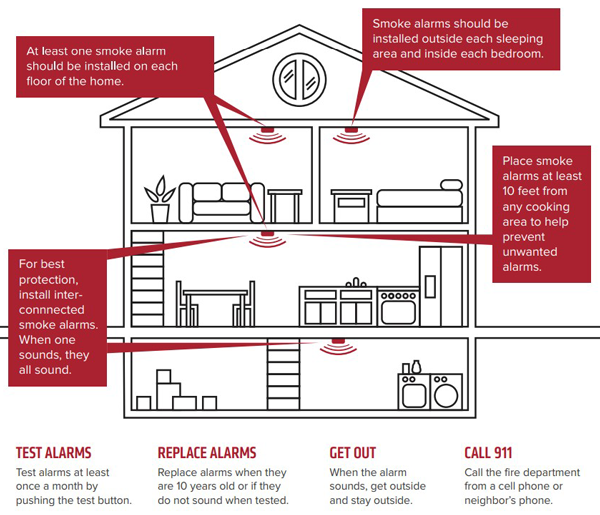
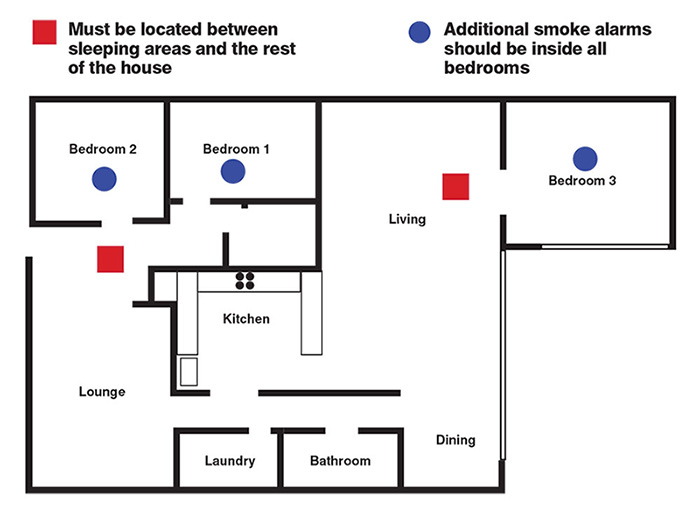
This is a big one, folks, and often overlooked. It's not enough to have an alarm in the hallway just outside your bedroom door. According to fire safety experts (and frankly, common sense), you need a smoke alarm inside every single bedroom.
:max_bytes(150000):strip_icc()/where-to-place-smoke-detectors-1152485_V2-3c5086adfaa646d69d312b45d342c621.png)
Why? Because a closed bedroom door can significantly slow down the detection of smoke from an alarm placed in an adjacent hallway. When you're asleep, even a few extra seconds can make all the difference in waking you up and giving you time to escape. Think about it: a closed door is a pretty good barrier for sound, too. You want that alarm screaming right next to your ear, not vaguely in the distance.
What About Carbon Monoxide?
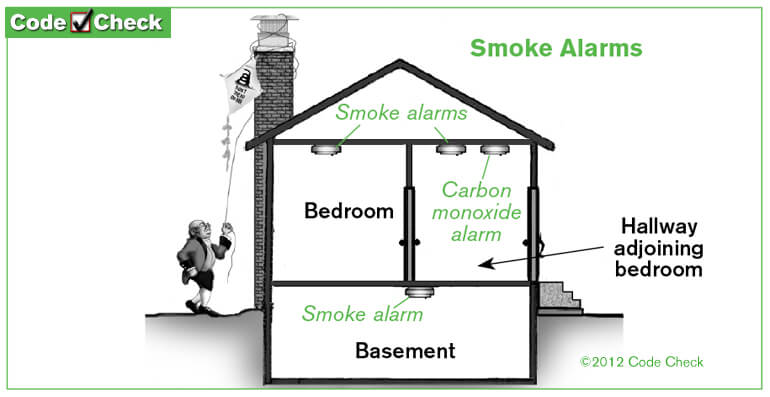
A quick side note here: while we're talking smoke alarms, remember that a smoke alarm only detects smoke. Carbon monoxide (CO) is an odorless, colorless killer that needs its own dedicated detector. While some units combine both, if you have separate ones, make sure your CO detector is also placed appropriately (usually closer to where people sleep, and not in the same "dead air" zones as smoke alarms).
Don't Procrastinate, Test & Maintain!
Once you've carefully chosen the perfect spot (or spots!) for your bedroom smoke alarms, your job isn't over.

Test them monthly! Seriously. Just press that little button. It takes two seconds. If it chirps, yells, or screams at you, it’s working. If it's silent, it's time for new batteries or a new unit.
Replace batteries annually (unless they're 10-year sealed units). And remember, most smoke alarms have a lifespan of about 10 years. After that, the sensors become less reliable. Mark it on your calendar or set a recurring reminder on your phone. It's a small chore for a massive peace of mind.
So, there you have it. Placing a smoke alarm isn't just about sticking it anywhere. It's about being strategic, understanding how smoke moves, and ensuring that when that terrifying shriek does go off, it's for a very good reason, and it's loud enough to jolt you from even the deepest dream about flying cars. Stay safe out there!