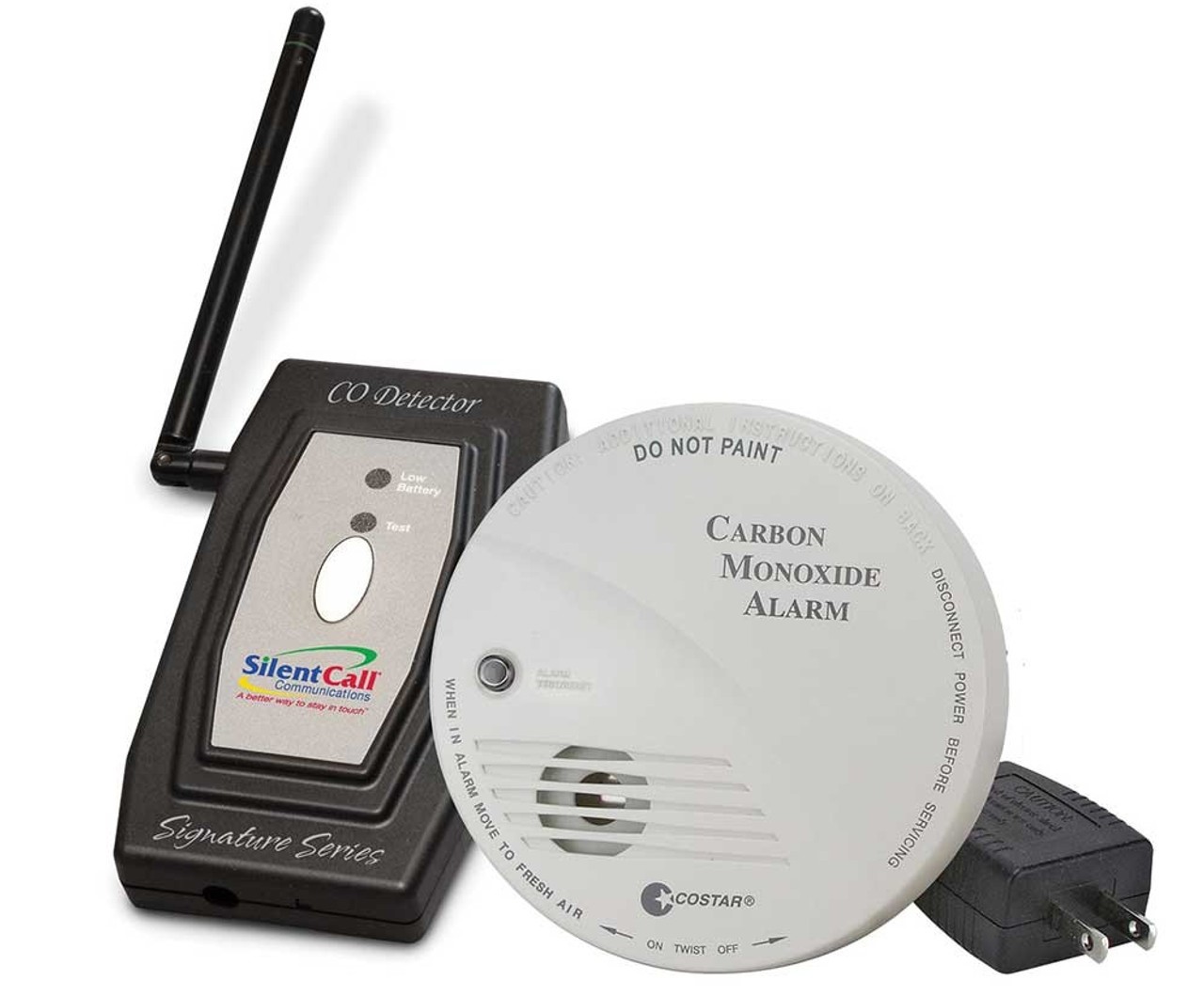
Where To Mount Carbon Monoxide Detector In House
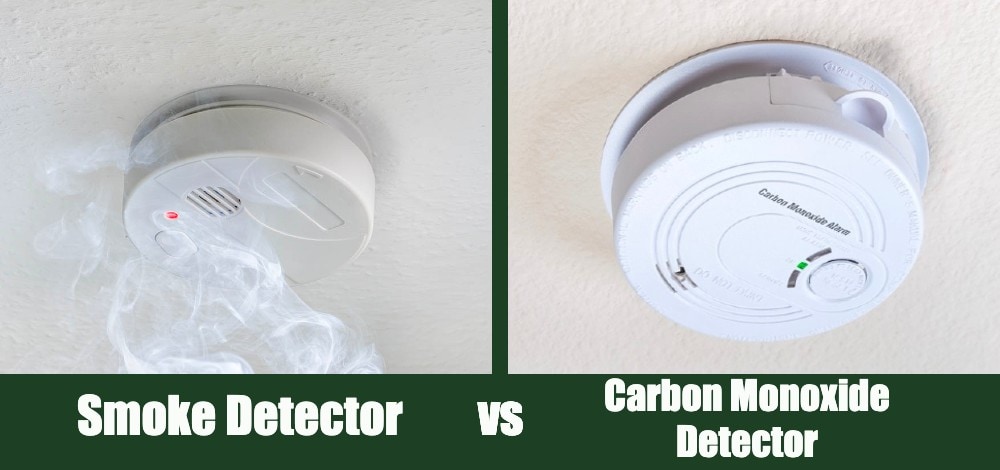
Ever found yourself staring at that little white box on your wall or ceiling, the one that quietly guards your home, and wondered, "Is that really the best spot for it?" We're talking about carbon monoxide (CO) detectors, those often-unsung heroes of home safety. It might seem like a small detail, but understanding where to mount your carbon monoxide detector is a bit like solving a gentle puzzle – and it’s surprisingly fascinating once you dive in!
For a start, let's remember why these gadgets are so incredibly vital. Carbon monoxide is the infamous "silent killer." It's colorless, odorless, and tasteless, making it truly undetectable by human senses. This sneaky gas is produced when fuels like gas, oil, coal, and wood don't burn completely. Think furnaces, water heaters, gas ranges, fireplaces, and even cars left running in an attached garage. Inhaling CO can quickly lead to flu-like symptoms, disorientation, and in severe cases, unconsciousness, permanent brain damage, or death. Your CO detector is essentially your home's nose and brain for this invisible threat, providing an early warning that can literally save lives and prevent serious illness. It gives you the precious time needed to get fresh air and call for help.
Now, here's where the puzzle truly begins. Unlike smoke, which visibly rises, carbon monoxide actually mixes pretty evenly with the air around it. It's not significantly heavier or lighter, so the common advice to place smoke detectors high up doesn't directly apply here. Instead, for CO, we're thinking about proximity to people and potential sources. The general wisdom, often echoed by fire safety experts, recommends at least one detector on every level of your home, and crucially, outside each separate sleeping area. This ensures that if CO starts to build up, especially overnight when you're most vulnerable, you'll be alerted quickly.
Must Read
Consider placing additional detectors near areas where fuel-burning appliances reside. This could be near your furnace, water heater, or fireplace. If you have an attached garage, a detector inside the home where it connects to the garage is a wise choice. However, be careful not to place them too close to the actual CO source (like directly on a furnace flue), as this might lead to nuisance alarms or damage to the detector itself. Also, try to avoid locations that get a lot of direct sunlight, high humidity (like bathrooms), or are near air vents and fans, which could interfere with the detector’s ability to accurately sense the air. The goal is to place them where they can effectively sample the air you and your family breathe.
To really explore this for yourself, embark on a little detective mission around your own home. Walk through each room, especially sleeping areas and basements, and identify potential CO sources. Then, grab your detector’s owner's manual – it's your best friend here, as specific models might have unique recommendations. Make a habit of testing your detectors regularly (usually with a simple push of a button) and mark your calendar for their replacement date, typically every 5-7 years. It’s a small amount of curious effort for an enormous amount of peace of mind, knowing your silent guardian is optimally positioned to keep everyone safe.