Where To Find Expiry Date On Car Seat
Ever found yourself staring blankly at a new gadget or a carton of milk, instinctively hunting for that little series of numbers that tells you its lifespan? It's a natural human urge – knowing when things are at their best, or when they're simply… done. Now, here's a thought that often catches parents by surprise, but is gaining serious traction in the world of savvy parenting: what about your child's car seat? Yes, like many things with a vital safety function, car seats come with their very own, often hidden, expiration date! Far from being a niche obsession, learning where to find this crucial detail is becoming a badge of honor among proactive parents, transforming a mundane safety check into an act of diligent, loving care.
The benefits of understanding your car seat's shelf life are manifold, extending beyond mere compliance. For the artist in every parent, it's about crafting the safest environment possible for their little masterpiece. For the hobbyist, it’s about delving into the intricacies of product safety, ensuring every component is up to par. And for the casual learner, it’s simply about gaining peace of mind. Knowing this date empowers you to make informed decisions, preventing the unwitting use of a seat whose plastic has degraded, whose components may be compromised, or which no longer meets evolving safety standards. It’s an easy win for safety, a silent guardian against preventable risks, and a testament to proactive parenting.
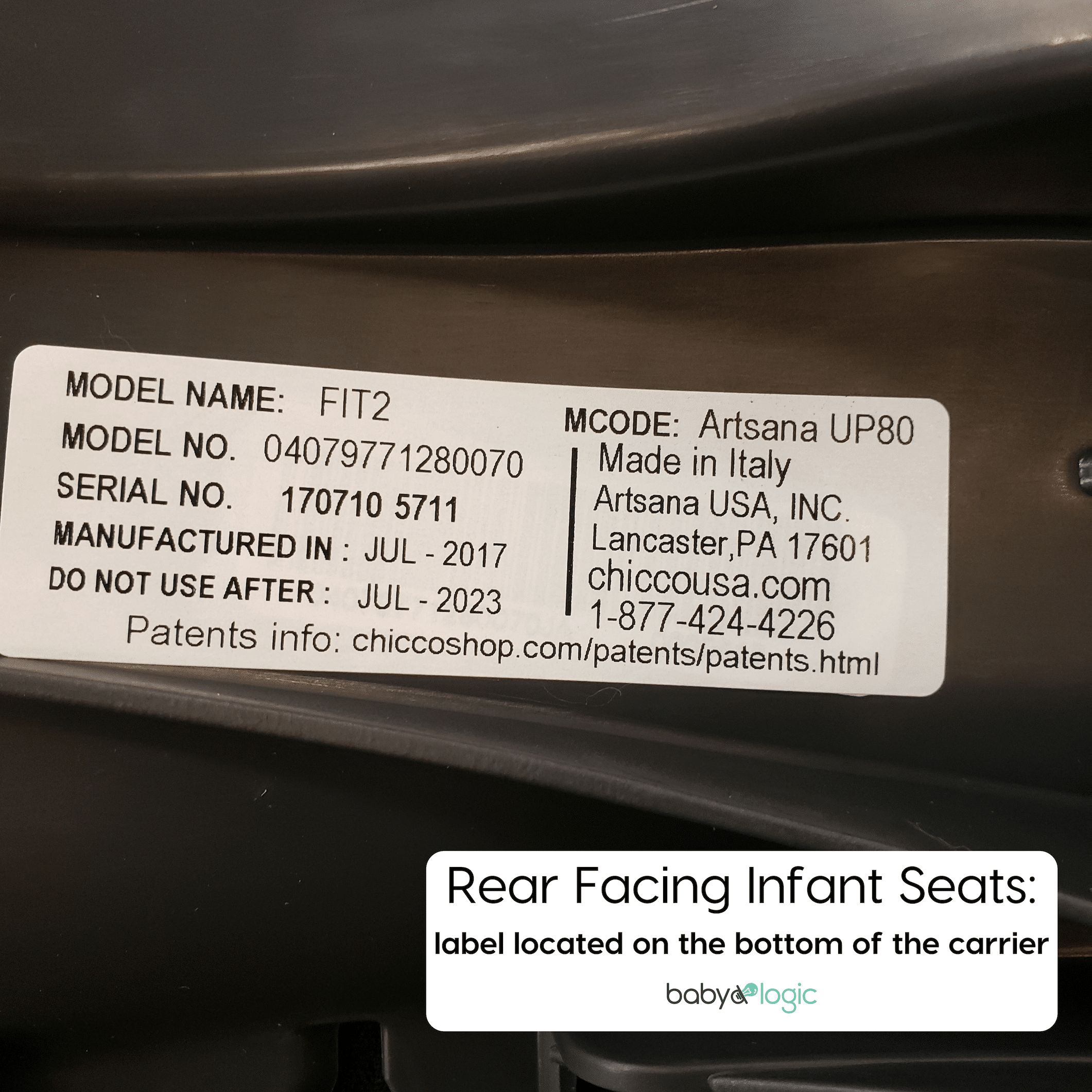
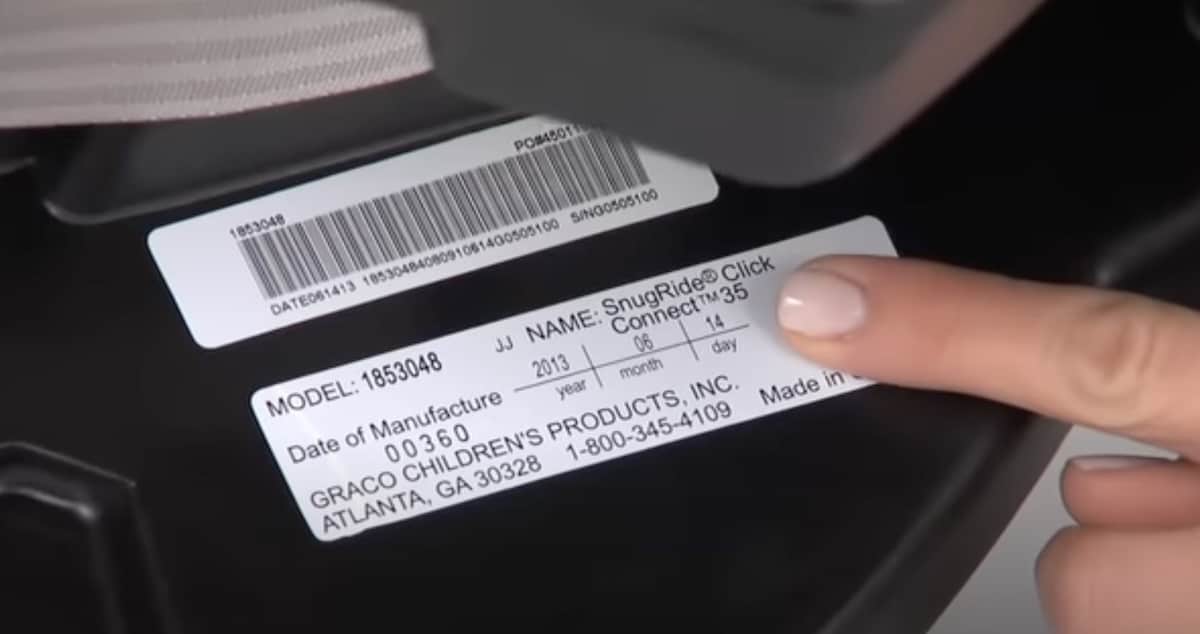
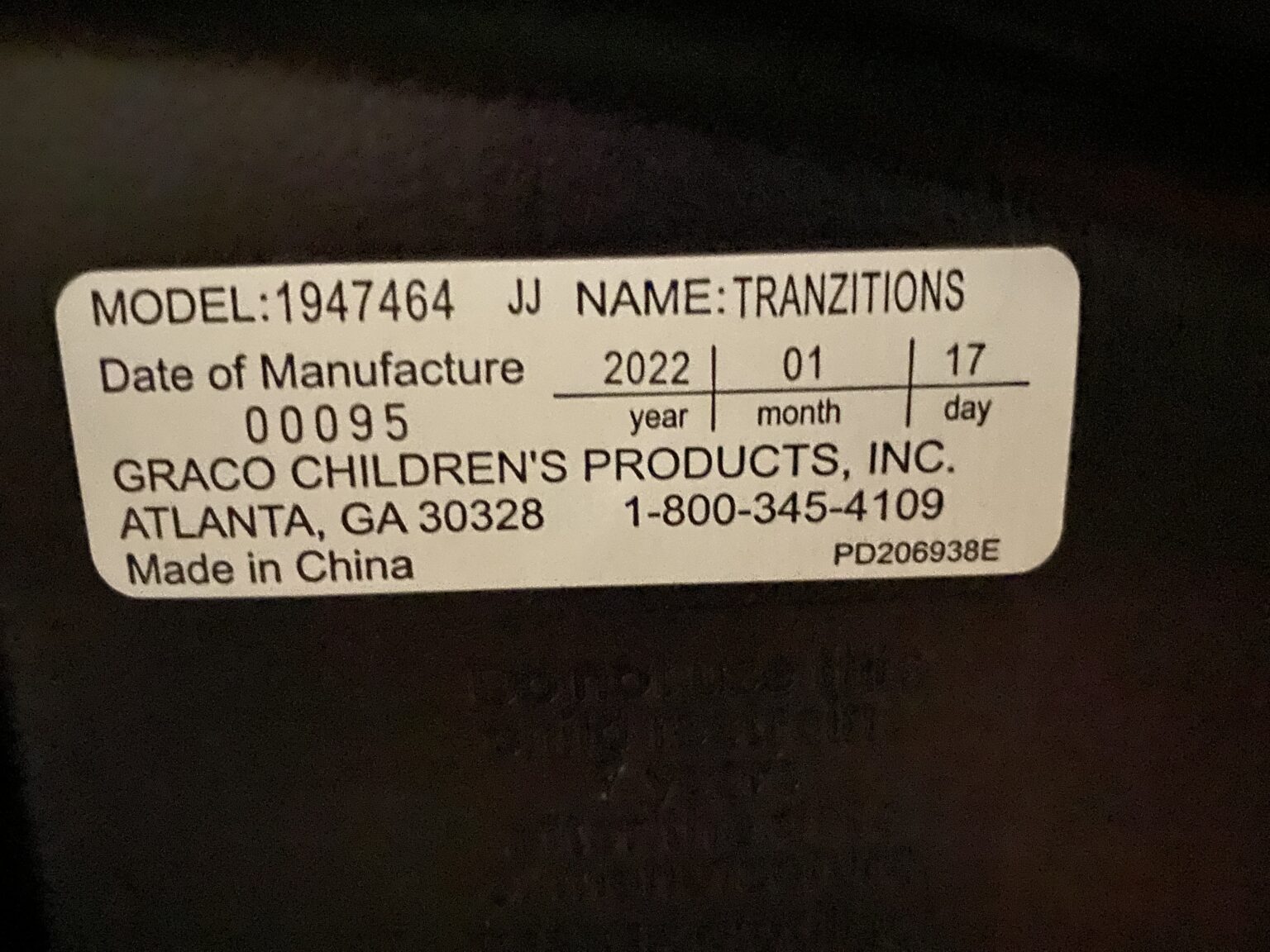
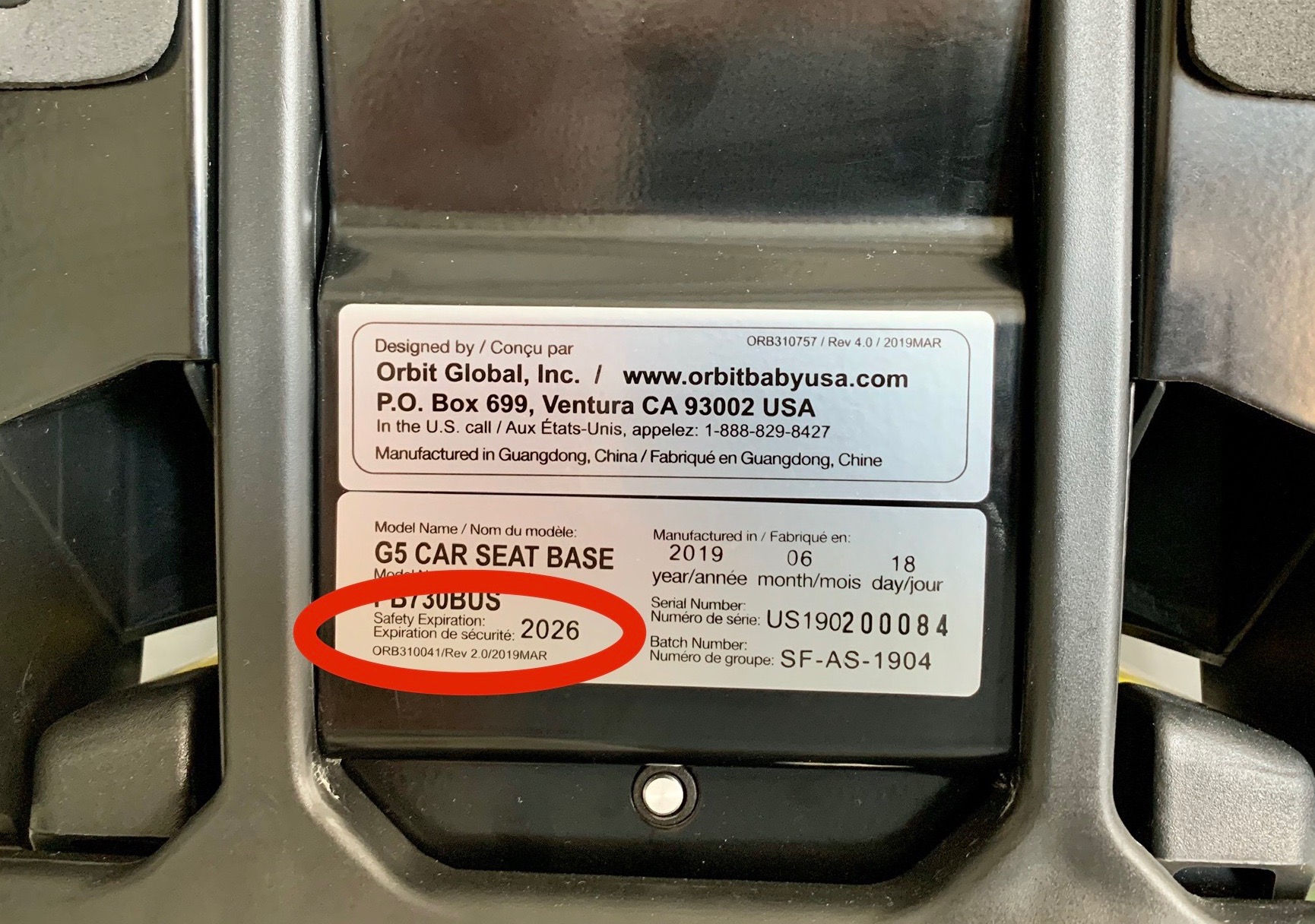
So, where does this mysterious date hide? It's often like a treasure hunt, with each manufacturer having their own preferred secret spot. You might find it on a sticker on the bottom of the seat, perhaps on the side near the label with the model number, or even tucked away on the back of the seat's shell. Some brands mold the expiration date directly into the plastic itself – a subtle, embossed series of numbers that can be tricky to spot. Occasionally, you'll find it referenced within the car seat's instruction manual, a document often overlooked but brimming with vital information. The date format can also vary; some show a clear "DO NOT USE AFTER YYYY/MM/DD," while others provide a "Date of Manufacture" and then specify a lifespan, e.g., "6 years from DOM." Always double-check if it's the manufacture date or the actual expiry.
Must Read
Ready to embark on your own safety quest? Here are some simple tips for trying this at home: First, grab your car seat and a flashlight – yes, a flashlight often illuminates those tricky spots. Start by carefully inspecting the bottom and back of the seat. Run your hand along the plastic shell, feeling for any embossed numbers or text. Next, check the side labels; these often contain a wealth of information, including serial numbers and sometimes the expiry date. If your seat has removable fabric covers, gently lift them to check the plastic underneath. Don't forget to consult your car seat's instruction manual, which usually has a dedicated section on product life. If you find a "Date of Manufacture," remember to add the specified lifespan (usually 6-9 years) to calculate the expiration. If all else fails, the manufacturer's website or customer service is your best friend!
Ultimately, the joy of finding that expiry date isn't just about ticking a box; it’s about the profound sense of reassurance it brings. It’s the quiet satisfaction of knowing you’ve taken another tangible step to protect your child, providing them with the safest journey possible. It transforms a routine safety check into an empowering moment, reminding you that sometimes, the most important acts of love are found in the details. Happy hunting, and here’s to many safe and joyful miles ahead!