
Where Should You Place Your Carbon Monoxide Detector
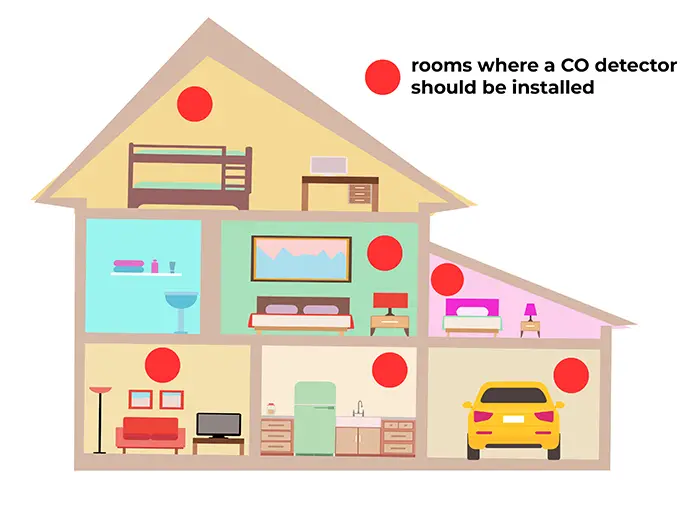
Alright, let's chat about something super important for your home's safety, but often overlooked: your carbon monoxide detector! It’s not the most glamorous gadget, but it's a real superhero when it comes to protecting your loved ones from an invisible, odorless enemy. Think of it as your home's personal bodyguard against a sneaky gas called carbon monoxide, or CO for short.
This tricky gas can come from things like your furnace, gas stove, water heater, or even a car running in an attached garage. The scary part? You can't see it, smell it, or taste it. That's why having a detector is so crucial. But where exactly should this little lifesaver hang out in your home? Let's clear up the mystery with some easy tips!
The Golden Rule: Near Sleeping Areas
This is probably the most vital piece of advice. Your carbon monoxide detector's primary mission is to wake you up if CO levels become dangerous while you're asleep. So, it makes perfect sense to have one close to where everyone catches their Zs.
Must Read
Think of it this way: You wouldn't put your smoke detector in the garage if a fire started in your living room, right? Same idea for CO!
Aim for a detector outside each separate sleeping area. If you have multiple bedrooms grouped together, one in the hallway serving those rooms is a good start. For larger homes or homes with bedrooms on different wings, consider a detector for each sleeping zone. This ensures that everyone has a chance to be alerted and get to safety quickly.
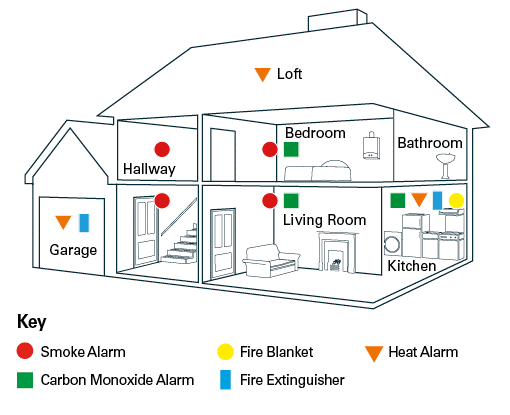
Every Floor Deserves a Protector
Don't stop at just one! A carbon monoxide detector isn't a "one and done" kind of deal for your whole house. CO spreads, and it can affect different levels of your home at different times. That's why experts strongly recommend having at least one detector on every single level of your home.
This includes your basement, main floor, and any upper floors. Even if a floor doesn't have bedrooms, it's still a good idea to place a detector there. Why? Because CO could originate on one floor and slowly spread upwards or downwards. Having a detector on each level acts like a network of guardians, ready to catch the gas no matter where it might pop up. If you have a finished attic where someone sleeps or spends time, yes, you guessed it – put one there too!
Where the Action Is (But Not Too Close!)
Now, let's talk about where CO is most likely to originate. Appliances that burn fuel – like your furnace, water heater, gas stove, or even a fireplace – are the usual suspects. It might seem logical to put the detector right next to them, but hold on a second! You don't want it too close.
/where-to-place-smoke-detectors-1152485_V2-3c5086adfaa646d69d312b45d342c621.png)
Placing it directly next to a stove or furnace could lead to nuisance alarms from normal, small amounts of combustion gases that are perfectly safe. Instead, aim for placing detectors in the general vicinity, but at a safe distance. For example, if your furnace is in the basement, make sure you have a detector on that basement level, but not right on top of the furnace itself. If your gas range is in the kitchen, a detector on the main floor, perhaps in a nearby hallway or living space, away from cooking fumes, is a smart move.
If you have an attached garage, and especially if you sometimes warm up your car there, definitely have a detector near the door connecting the garage to your living space. This helps catch any exhaust fumes that might seep indoors before they reach further into your home.
Optimal Height: Eye-Level or Manufacturer's Instructions?
Unlike smoke detectors, which usually go high up on a ceiling because smoke rises, carbon monoxide mixes with air. It's not necessarily lighter or heavier, so it doesn't automatically float up or sink down. So, where should it be vertically? Many detectors can be placed at chest or eye level, roughly five feet from the floor. This is often recommended because it's a good average height for air circulation and easy to see and hear.

However, the absolute best advice is to always check the manufacturer's instructions that came with your specific device. Some models might have particular recommendations, especially if they are designed to be ceiling-mounted or plug directly into an outlet lower on the wall. When in doubt, the manual is your best friend! It contains all the precise details for your model.
Where Not to Put Your Detector (The No-Go Zones)
Just as important as knowing where to put them is knowing where not to. Avoid these spots, as they can interfere with your detector's ability to do its job correctly:
- Right next to windows or doors: Drafts can affect readings and prevent CO from reaching the sensor.
- Near vents or fans: Again, strong air currents can mess with accuracy.
- In direct sunlight or extreme temperatures: These can damage the sensor or cause false alarms.
- In very humid areas like bathrooms: Moisture can interfere with operation and potentially damage the unit.
- Too close to fuel-burning appliances: As mentioned, this can cause false alarms from harmless, brief bursts of combustion gases.
- In dead air spaces: Like behind curtains, large furniture, or inside cabinets where air doesn't circulate well.
Don't Forget to Test!
Once your detectors are perfectly placed, your job isn't quite done. These devices need a little love to keep working effectively. Most detectors have a test button. Make it a habit to press it monthly, just like you would with a smoke detector. You should hear a loud, clear alarm sound. Also, pay attention to the "end of life" indicator, usually a chirp that tells you it's time for a replacement – typically every 5 to 7 years, depending on the model. They don't last forever!

Peace of Mind, Simply Placed
So there you have it! Placing your carbon monoxide detectors correctly is a simple, yet incredibly effective step in keeping your home and family safe. It’s about being proactive and giving yourself that wonderful feeling of peace of mind. Take a few minutes this week to walk through your home and check your detectors. Are they in the right spots? Are they working? A little effort now can make a world of difference.
Remember: A well-placed and working CO detector is a silent guardian, always on duty. Give it the best vantage point to do its important job!