
Where Should Carbon Monoxide Detectors Be Placed In The Home
Alright, listen up, because we're about to talk about something super important but also, dare I say, fun! We’re diving into the wonderfully critical world of where to stash your
Carbon monoxide, or CO as its friends call it (and by friends, I mean absolutely no one, because it’s a total menace!), is a sneaky, silent villain. It has no smell, no color, and no taste. It’s like the ninja of dangerous gases, quietly creeping in when you least expect it.
But fear not! Your trusty CO detector is like the superhero sidekick we all need. It’s got super senses, ready to blare an alarm if CO tries to crash your party. So, let’s make sure your superhero is in the absolute prime position to save the day!
Must Read
The Absolute Must-Have Spots: Sleepytime Sentinels!
First things first, let’s talk about where you do your most important work: sleeping! You want your CO detector to be your bedroom's best friend, practically sleeping next to you (but not in the bed, that would be weird).
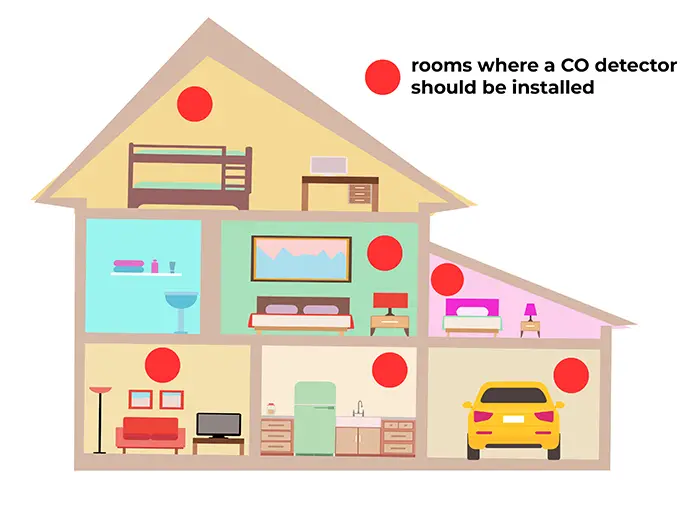
Every single bedroom, or at the very least, the hallway directly outside each sleeping area, needs one of these bad boys. Imagine you're dreaming sweet dreams, maybe about a giant donut, and CO tries to sneak in. Nope! Your detector is right there, ready to sound the alarm!
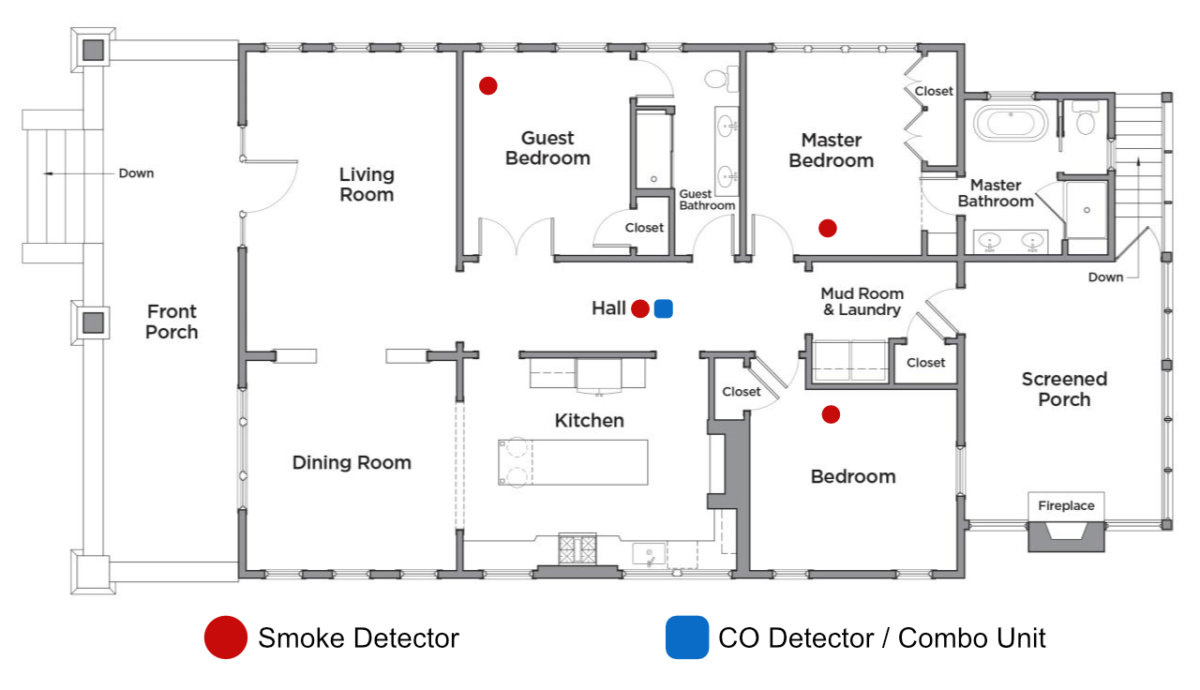
Think of it this way: if your home were a castle, your bedrooms would be the royal chambers. You wouldn’t leave those unguarded, would you? So place a detector on the wall or ceiling within ten feet of any bedroom door. That’s your sweet spot for snooze-time safety!
Pro Tip Alert! Place your detector on the wall or ceiling, not on the floor. Carbon monoxide is slightly lighter than air and mixes easily, but we want it up where you can hear it!
If you have multiple sleeping areas, let’s say a guest room downstairs and bedrooms upstairs, each one gets the royal treatment. Don't skimp on these areas; they are your most vulnerable spots when you're blissfully unaware.
Every Level, Every Time!
Now, let's zoom out a bit. Your home isn't just one floor, is it? Most likely, you've got a fabulous multi-level palace, or at least a cozy two-story haven. And guess what? Each and every level needs its own guardian.
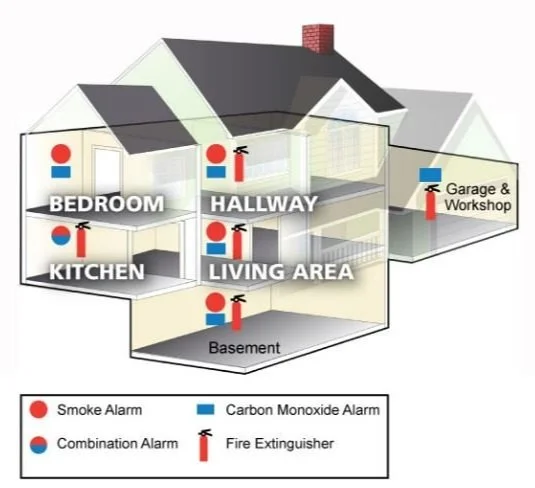
That's right, one detector per floor! Even if it's just a basement, a main living area, and an upstairs. Each zone needs to be covered. We're talking about a full-house defense system here, not just a one-man band!
Picture CO trying to scale the stairs, thinking it's all clear. BAM! Another detector is waiting, ready to thwart its ascent. This ensures complete coverage, no matter where CO tries to make its grand entrance.
So, one in the basement, one on the main floor, and one on the top floor. It’s like setting up checkpoints for our invisible villain, making sure it can’t sneak past unnoticed.
The Sneaky Suspect Zone: Attached Garages!
Ah, the garage! Home of cars, tools, and sometimes, a little too much clutter. If you have an

Imagine accidentally leaving your car running while you're unloading groceries, or starting it up on a cold morning. That exhaust needs to go somewhere, and sometimes, it can find its way into your house. Not on our watch!
Place a detector in the room above or adjacent to your attached garage. This acts as an early warning system, catching any rogue CO trying to sneak in from the automotive zone before it gets too cozy in your living room.
It’s like having a bouncer at the door, making sure no uninvited guests from the garage crash your indoor party. This is a critical placement that many people overlook, but it’s super important for comprehensive safety.
Near the Usual Suspects: Fuel-Burning Appliances!
Now for the places where CO is most likely to be born: near your fuel-burning appliances! Think of your furnace, water heater, gas stove, or even that cozy fireplace. These are the usual suspects, and while they usually behave, sometimes they can act up.
It’s a good idea to have a detector within earshot of these mechanical marvels. Not too close – we’re talking about a healthy distance, like 15-20 feet away. You don't want the regular fumes from a properly working appliance to trigger a false alarm.
So, if your furnace is in the basement, put a detector down there. If your water heater is in a utility closet, place one just outside it. We're giving these appliances a watchful eye, just in case they decide to have a bad day.
.jpg?format=2500w)
This isn't about blaming your appliances; it's about being prepared. Think of it as giving them a friendly monitor, ensuring they're always performing their jobs safely and not producing any unwanted guests.
But Wait! Where NOT to Place Them (The No-Go Zones!)
Just as important as where to place them is where not to. There are a few spots that are total no-gos for your superhero detector. We want it working efficiently, not giving us phantom alerts or missing the real danger!
Avoid placing them directly over or next to fuel-burning appliances. The normal, safe operation of these devices can release small amounts of CO, which could trigger an annoying false alarm. We want real alarms, not crying wolf!
Steer clear of dead air spaces, like inside a cupboard or directly in a corner where air might not circulate well. Your detector needs to be out in the open, breathing freely, ready to sniff out danger in the circulating air.
Also, stay away from areas with high humidity, like bathrooms or directly above dishwashers. Moisture can mess with the sensors, making them less reliable. We need sharp, dry sensors ready for action!

And definitely don't put them in direct sunlight or where they might get soaked by water. Extreme temperatures or water exposure can damage the unit. Treat your detector with the respect it deserves, and it will protect you!
General Wisdom for Your CO Guardians!
A few more tidbits to make sure your
Most detectors are best placed on a wall, about five feet from the floor (that's about eye-level for many folks). This height is generally considered optimal for detecting CO. Some can go on the ceiling, too, just make sure to check the instructions!
And for goodness sake, TEST THEM REGULARLY! Most have a little test button. Push it! Hear that chirp? Good! That’s your superhero letting you know it’s ready for action. Do it monthly, just like clockwork. Batteries need replacing too, usually once a year.
Remember, CO detectors are not smoke detectors. They do two different, super important jobs! You need both! Think of them as Batman and Robin, each with their own unique crime-fighting skills.
So there you have it! A whirlwind tour of optimal