
Where Is The Carbon Monoxide Detector

Picture this: you’ve just wrestled that brand-new, shiny gas grill out of its box, assembled it (mostly) correctly, and are basking in the warm glow of self-sufficiency. You’re ready to conquer the backyard BBQ scene. Maybe you even considered getting a new fire extinguisher for the kitchen, just in case. Feeling pretty responsible, right?
And then, a tiny, nagging thought surfaces from the depths of your subconscious: “Wait, I have smoke detectors… but do I have a carbon monoxide detector? And if I do, where IS it? Like, is there a ‘right’ place for it, or do I just… plug it in wherever?”
Ah, the carbon monoxide detector. The unsung hero, the silent sentinel, often forgotten until you hear a news story that makes your blood run cold. Because unlike a smoke detector that screeches about your burnt toast, a CO detector is protecting you from something you can’t see, smell, or taste. It’s the ultimate invisible threat, the ninja of poisons. And trust me, when it comes to invisible ninjas, you want your protector in the optimal strategic position.
Must Read
So, let’s dive into the nitty-gritty, because knowing where to stick this little lifesaver is way more important than you might think. We meticulously plan our vacation itineraries, but often wing it on life-saving devices. Time to change that, eh?
The Absolute Must-Have Spots (Your Non-Negotiables!)
1. Near Sleeping Areas: This is priority number one, folks. Non-negotiable. Carbon monoxide poisoning often occurs when people are asleep, making them particularly vulnerable. You want that alarm to wake you up immediately if levels start to rise. So, think hallways leading to bedrooms, or even inside larger bedrooms if you have multiple units. Don't be shy here; safety over aesthetics.
2. On Every Single Level of Your Home: Yes, even the basement! CO can spread surprisingly well throughout a house. If you have three floors, you need at least three detectors. Simple math for crucial safety.
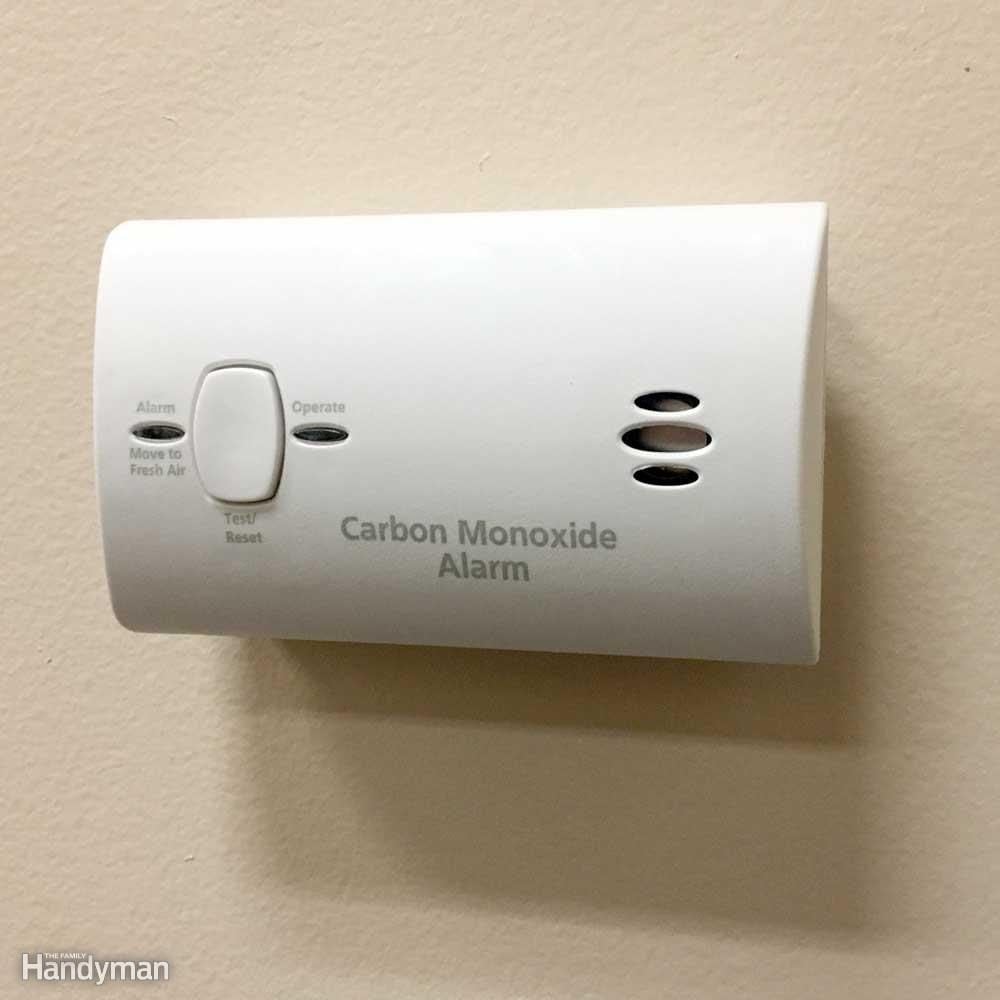
3. Near an Attached Garage: If you’ve got a garage connected to your home, a CO detector is a smart move. Cars idling (even briefly!), lawnmowers, or power tools running in there can produce dangerous levels of CO that can seep into your living space. Better safe than sorry, right?
4. Near Fuel-Burning Appliances: This one seems obvious, but it's often overlooked. Your furnace, water heater, gas fireplace, or even a stove are all potential sources of CO if they malfunction. Placing a detector within a reasonable distance (but not right next to it, we’ll get to that) is a smart play.
The "Nope, Don't Even Think About It" Spots
Just like trying to assemble IKEA furniture without instructions, getting placement wrong can be… unhelpful. There are some places where your CO detector will be less effective, or even give you false alarms, which is just annoying (and could lead you to disable it, which is dangerous!).

1. Too Close to Windows or Doors: Fresh air currents can dilute CO or give inaccurate readings. You want to detect CO in your actual living space, not diluted by outside air.
2. Right Next to a Vent or Fan: Again, air currents are the enemy of accurate readings here. Avoid placing detectors directly in the path of supply registers, fans, or other ventilation openings.
3. Behind Curtains or Furniture: Anything that obstructs the sensor will prevent it from doing its job effectively. Think clear line of sight, like a vigilant security guard. Don't hide your heroes!
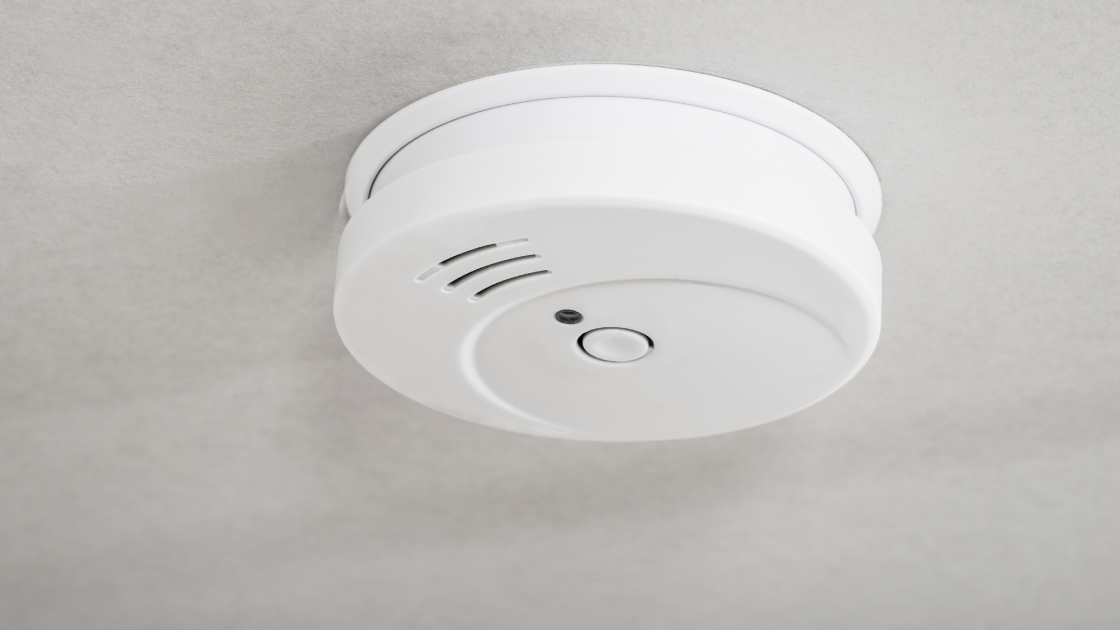
4. In Direct Sunlight or Extreme Temperatures: Very hot or very cold spots can affect the detector's sensors and its ability to function correctly. No sauna-like attics or frosty unheated garages for these guys!
5. In the Kitchen, Directly Over the Stove: While your stove is a fuel-burning appliance, normal cooking fumes can sometimes trigger nuisance alarms. Place it nearby, perhaps in an adjacent hallway, but not right in the thick of dinner prep.
Wall-Mounted, Ceiling, or Plug-In? And What Height?
Good question! CO is roughly the same density as air, meaning it mixes pretty evenly throughout a room. So, it’s not like smoke that rises, or propane that sinks. This means detector height isn't as critical as it is for smoke alarms.
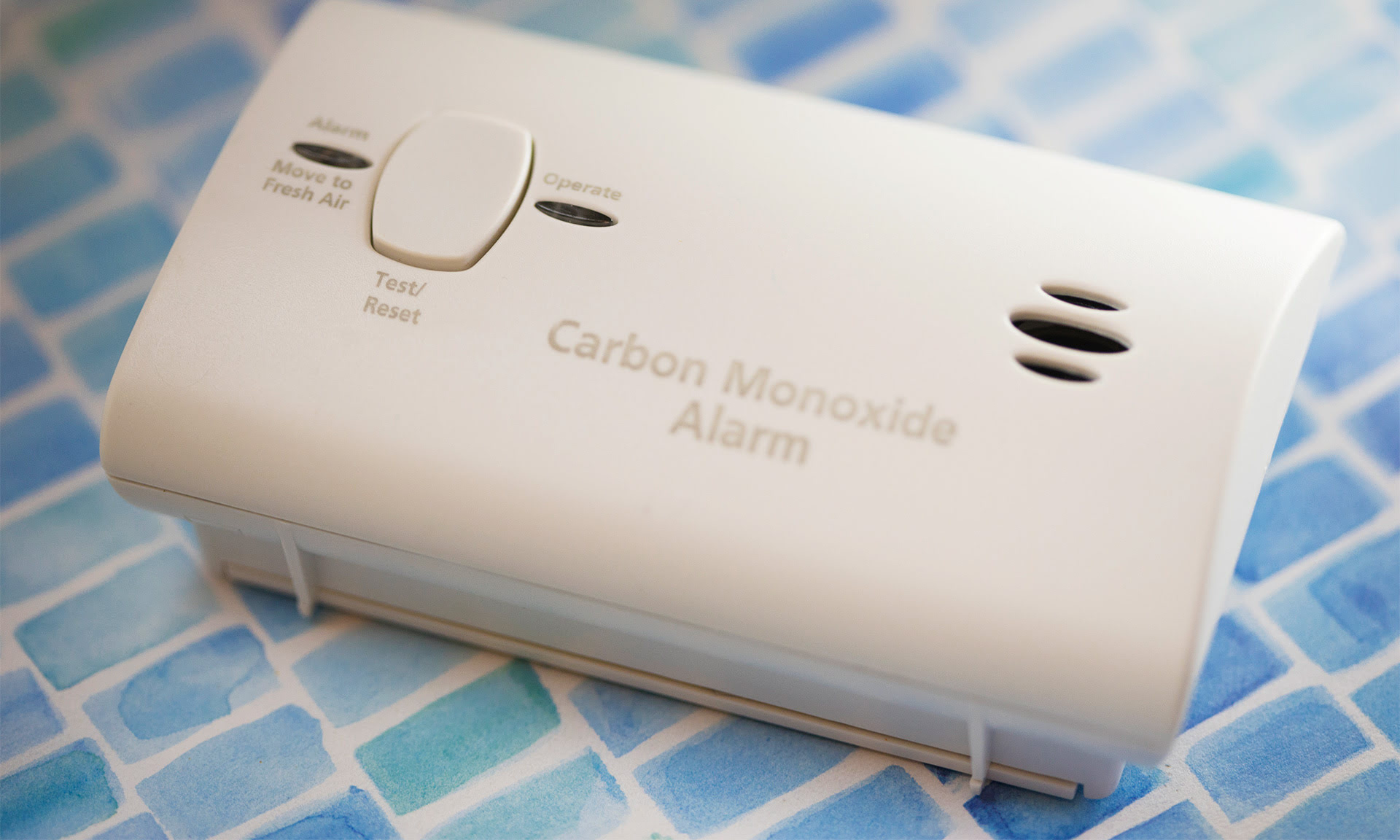
Generally, most manufacturers recommend placing detectors at eye-level or on the wall, as that's often the breathing zone. If it’s a plug-in unit, just make sure the outlet isn't hidden behind furniture or near a vent. Always, always, always check your specific detector's manufacturer instructions; they know their product best!
Look, it's not the most exciting home decor decision you'll make, but it's one of the most vital. Carbon monoxide poisoning is preventable, and proper detector placement is a huge part of that prevention. So, take five minutes, go find yours, and make sure it’s in the right spot. Test it monthly, swap those batteries when needed, and check the expiration date – yes, they expire!
You got this. Stay safe out there!