
Where In Bedroom To Put Smoke Detector
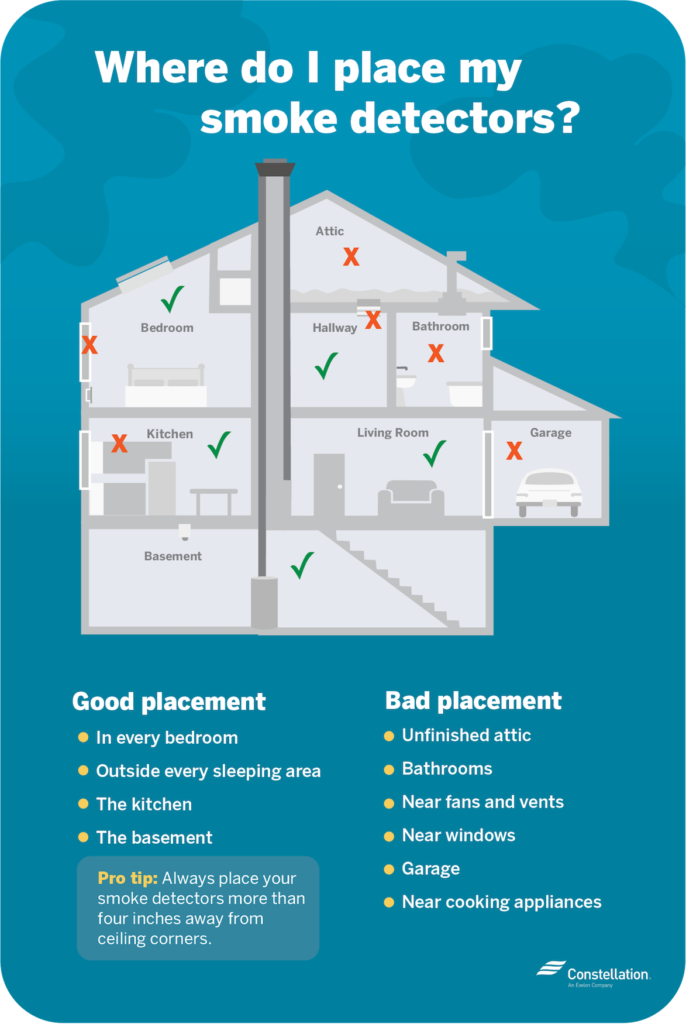
Alright, let's talk about something that might not be the most glamorous home decor topic, but it's arguably one of the most important: your smoke detector. Specifically, where to pop that little lifesaver in your bedroom. Think of it as the silent guardian of your sweet dreams, a piece of adulting that genuinely makes a difference, and we're here to make sure it's doing its job perfectly.
We all want our bedrooms to be sanctuaries – places of comfort, rest, and peace. But a true sanctuary also means a safe one. While we’re busy curating cozy vibes with plush throws and ambient lighting, it’s easy to overlook the critical role of fire safety. This isn't about doom and gloom; it's about smart living and ensuring that the one room where you're most vulnerable, especially when you're deeply asleep, is properly protected.
Why the Bedroom is Non-Negotiable
First things first: every sleeping area needs a smoke detector. It's not just a suggestion; it's a golden rule from fire safety experts worldwide. Why? Because the vast majority of fatal fires happen at night while people are sleeping. Smoke is a silent killer, often putting you into a deeper slumber rather than waking you up. Your bedroom smoke detector is literally your wake-up call, giving you precious seconds to escape.
Must Read
The Golden Rules of Placement: Smoke Knows Best
Smoke, as we know, rises. It's a fundamental principle of physics that dictates the best place for your detector. But it's not quite as simple as "anywhere up high." There are nuances to consider for optimal performance.
Think about air currents and "dead air" spaces. Smoke detectors need to be in the path of smoke, not somewhere it'll get trapped or diverted. This means avoiding specific spots that might seem intuitive but are actually counterproductive.
Ceiling or Wall? Let's Get Specific
On the Ceiling: The Preferred Spot
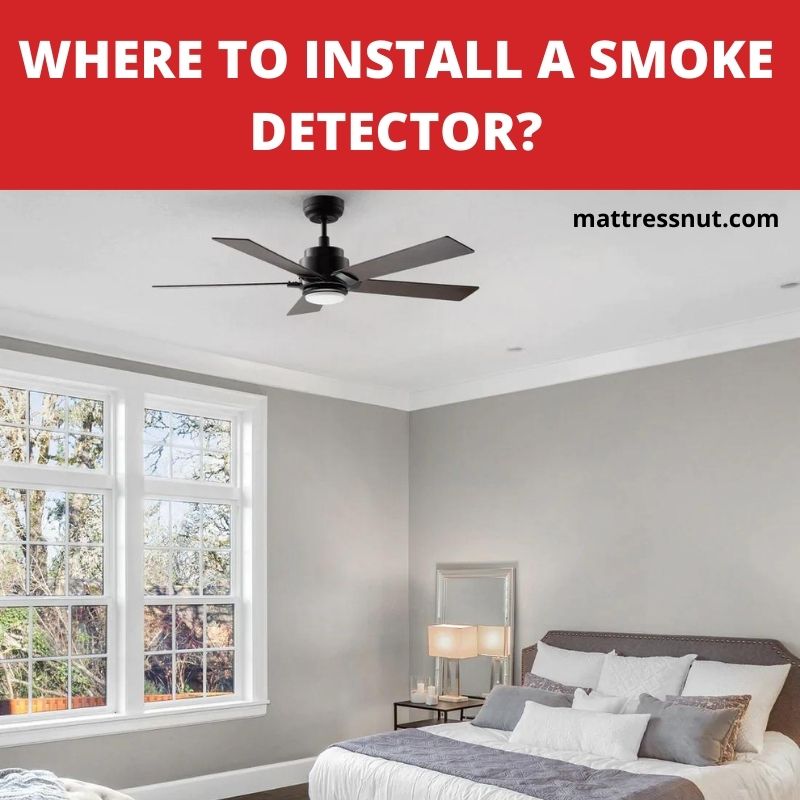
Most fire safety pros will tell you that the center of the ceiling is the ideal placement. This is because smoke naturally collects there first. However, if the exact center isn't feasible due to light fixtures or ceiling fans, aim for a spot that's:
- At least 4 inches (10 cm) away from any wall. Placing it too close to a wall can put it in a "dead air" space, where smoke might not reach it as quickly. Think of it like the corners of a room – air circulation isn't as dynamic there.
- For rooms with a vaulted or sloped ceiling, place the detector near the highest point, but again, not in the absolute peak itself (within 3 feet or 0.9 meters of the peak is a good rule of thumb). Peaks can also collect dead air that prevents smoke from reaching the sensor efficiently.
On a Wall: The Second Best Option
Can't mount it on the ceiling? No worries, wall mounting is a solid second choice. If you're going for a wall installation, here's the trick:
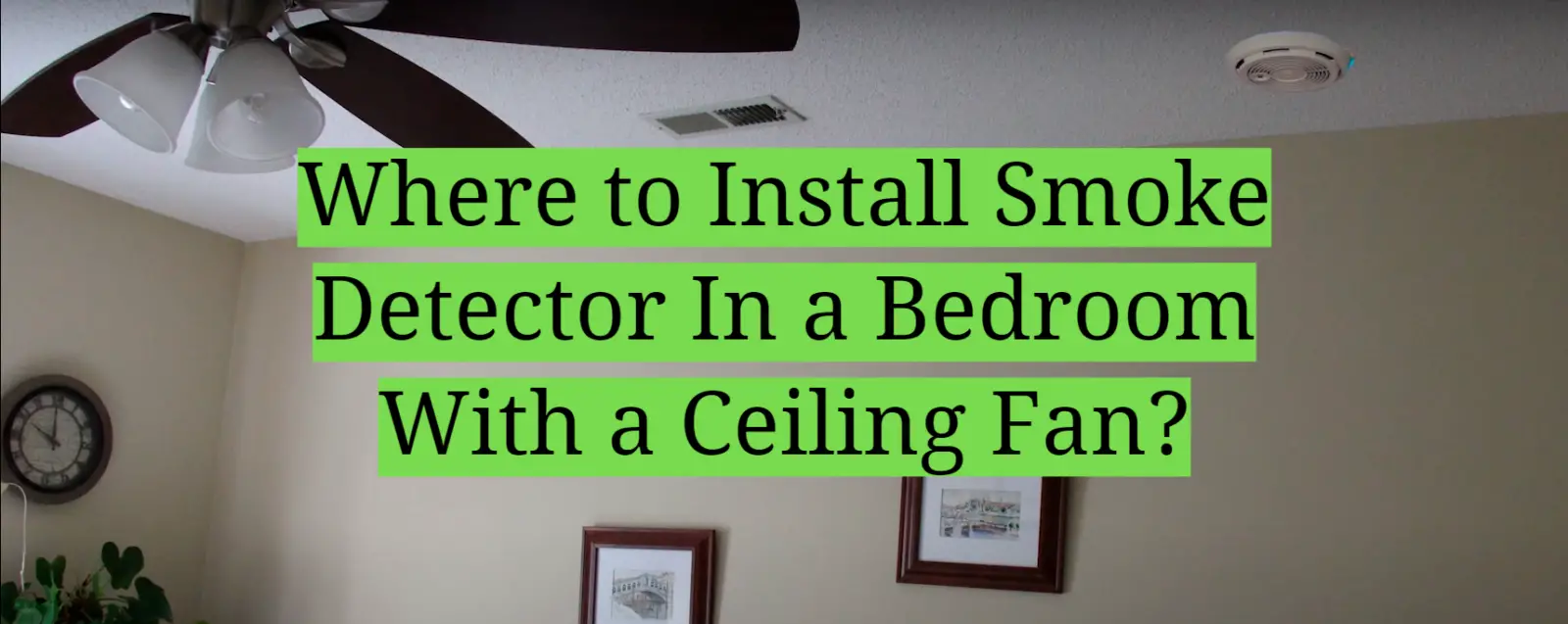
- Place it on an interior wall. Why interior? Exterior walls can experience greater temperature fluctuations, which might affect the detector's sensitivity.
- Mount it between 4 and 12 inches (10-30 cm) from the ceiling. Too low, and it might take too long for smoke to reach it. Too high, and you're back in that dead air zone near the ceiling/wall junction.
Where to ABSOLUTELY Avoid
This part is just as crucial as knowing where to put it!
- Near Windows or Doors: Drafts can pull smoke away from the detector, delaying its response.
- Near Air Vents or Ceiling Fans: Similar to windows, direct airflow can divert smoke or even clear it away from the detector entirely.
- In a Corner: Both ceiling corners and wall corners are prone to dead air pockets.
- Too Close to a Bathroom: Steam from showers can trigger annoying false alarms. Nobody wants that 3 AM wake-up call unless it's the real deal!
- Kitchen Proximity: While not usually an issue in the bedroom, make sure your bedroom detector isn't so close to the kitchen that cooking fumes set it off regularly. That's a different detector's job!
Fun Fact: There are two main types of smoke detectors – ionization, which are generally better at detecting fast-flaming fires, and photoelectric, which excel at sensing slow, smoldering fires. Many modern detectors are dual-sensor, offering the best of both worlds. A smart choice for maximum peace of mind!
/where-to-place-smoke-detectors-1152485_V2-3c5086adfaa646d69d312b45d342c621.png)
Don't Forget the Basics: Test and Maintain
Placement is paramount, but maintenance is queen! What's a perfectly placed detector if it doesn't work?
- Test Monthly: Hit that test button! You'll hear the alarm, know it's working, and get a quick reminder of that distinct sound.
- Change Batteries Annually: A common ritual is to change batteries when Daylight Saving Time begins or ends. It's an easy way to remember!
- Keep it Clean: Dust can interfere with the sensor. A quick vacuum around the detector with a soft brush attachment every few months can help keep it pristine.
Placing your smoke detector correctly in the bedroom isn't just about ticking a box on a safety checklist. It's a small, proactive step that speaks volumes about caring for your home and, more importantly, for yourself and those you share your space with. It's about giving yourself the gift of a truly peaceful night's sleep, knowing that a silent guardian is standing watch. Sweet dreams, indeed!
