
Where Do You Have To Have Smoke Detectors
:max_bytes(150000):strip_icc()/where-to-place-smoke-detectors-1152485_V2-3c5086adfaa646d69d312b45d342c621.png)
Picture this: It's a lazy Sunday morning, you're attempting to make the perfect crispy bacon (a noble pursuit, truly), and suddenly... BEEEEEEEEP! Your entire house is under siege by the piercing shriek of the smoke detector. You frantically fan the air with a dish towel, muttering curses under your breath, only to discover it was just a tiny rogue crumb of bacon fat hitting the burner. Sigh.
Sound familiar? We've all been there. That moment of annoyance quickly gives way to a tiny, fleeting thought: "Thank goodness it was just bacon." But what if it wasn't? What if it was something far more serious, and that little sentinel in the ceiling was the only thing between you and disaster? That's when the "annoying" noise suddenly becomes the most beautiful sound in the world.
But here's the thing: just having one isn't enough. It's like having a single guard dog for a castle the size of Disney World. You need a whole squadron! So, let's chat about where you really need to have these life-saving devices in your humble (or not-so-humble) abode.
Must Read
Every Level? Yup! Even the Basement!
This is rule number one, the absolute golden standard. You need at least one smoke detector on every single level of your home. And yes, that includes the basement and any usable attic space. Fire is a tricky beast; it doesn't care if you don't spend much time in the basement. It starts where it starts and spreads. Fast.
Think about it: Your furnace, water heater, maybe even your laundry setup are often chilling down in the basement. These are all potential ignition sources. An attic, too, can hide electrical wiring issues. Don't skip a floor, folks. Your life (and your cat's) might just depend on it.
Outside Sleeping Areas: Your Wake-Up Call
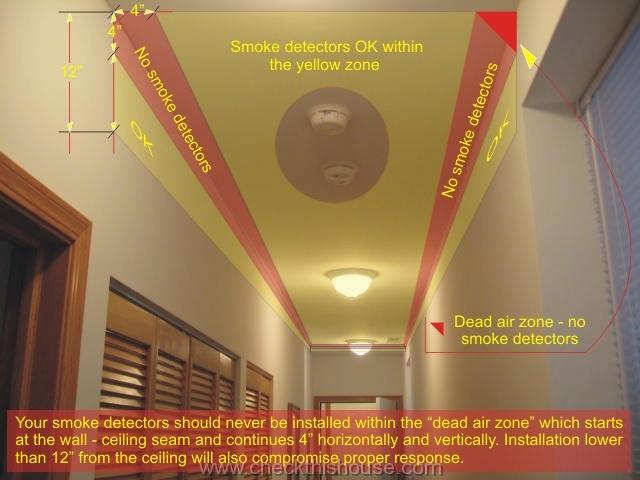
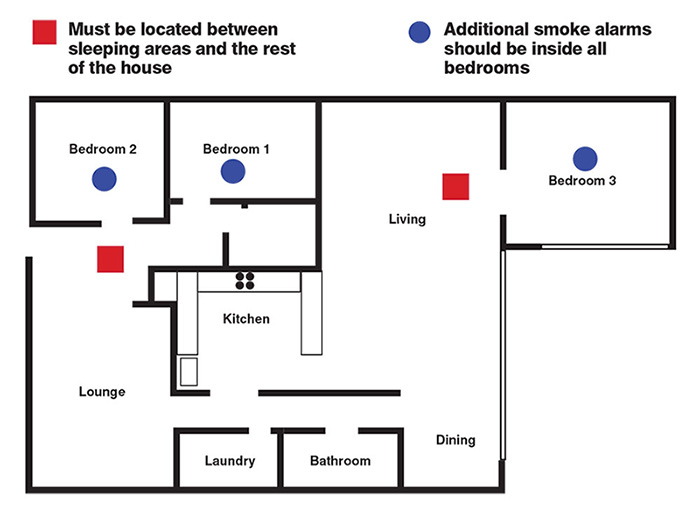
Imagine you're tucked away in dreamland, oblivious to the world. A fire starts in the living room. How do you know? You need a detector strategically placed in the hallway or landing outside each separate sleeping area. This ensures that the moment smoke starts to creep towards your bedrooms, you get an immediate heads-up.
It's your early warning system, designed to give you those precious extra seconds to get out safely. If you have a long hallway with multiple bedrooms, consider placing detectors at both ends. Better safe than sorry, right?
Inside Every Bedroom: Personal Protection
This one is often overlooked, but it's a game-changer. If you sleep with your bedroom door closed (which, by the way, is a great fire safety practice as it helps contain smoke and fire), a detector out in the hallway might not alert you quickly enough.
That's why you should have a smoke detector inside every single bedroom. Especially if you're a heavy sleeper (guilty as charged!) or have kids who might not wake up to a distant alarm. It's like having a personal bodyguard for your slumber.
The Kitchen Conundrum: Heat vs. Smoke
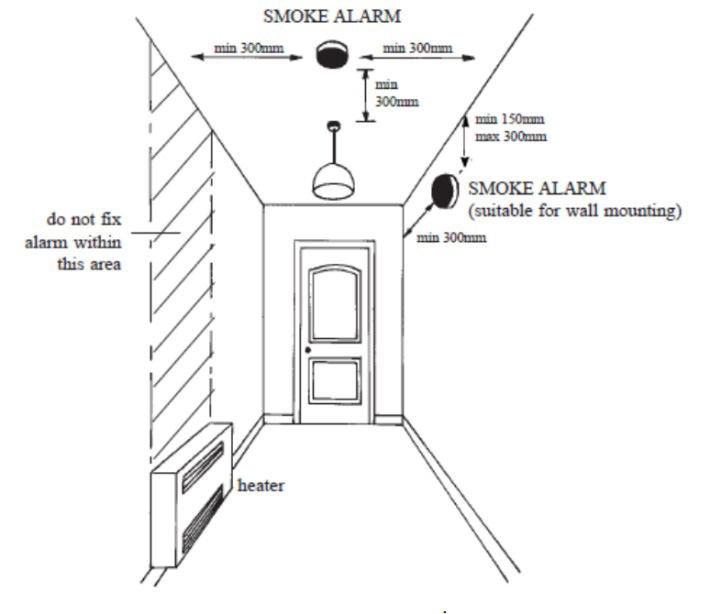
Ah, the kitchen. The source of both culinary triumphs and the occasional smoke detector false alarm. Placing a traditional smoke detector right above your stove or toaster oven is a recipe for frequent, annoying beeping. Nobody wants their smoke detector judging their burnt cookies constantly.
Instead, consider a heat detector for the kitchen. These react to rapid temperature increases, not just smoke, making them less prone to nuisance alarms from cooking fumes. If you must have a smoke detector, opt for a photoelectric type (they're better at detecting slow, smoldering fires and are less prone to nuisance alarms from cooking) and place it at least 10 feet away from cooking appliances. Or, frankly, just embrace the heat detector here. It's designed for this exact purpose!

Garage & Utility Areas: Hidden Dangers
Don't forget the places where you store gasoline, chemicals, or where your car (a giant metal box full of flammable liquids) sleeps. The garage is a prime spot for a fire to start, and often goes unnoticed until it's too late. A smoke detector (or ideally, a heat detector here too, given car fumes and exhaust) is a smart move.
Areas with large electrical panels or laundry rooms (hello, lint traps!) are also worth considering. Basically, if it has a plug, a flame, or chemicals, it’s a potential hot spot.
A Few Final, Friendly Nudges
- Test them monthly: Press that little "test" button. It takes two seconds. Seriously.
- Change batteries annually: When Daylight Saving Time changes, or on your birthday – pick an easy-to-remember day.
- Replace units every 10 years: They don't last forever! Check the date on the back. It’s like an expiration date for safety.
So, next time your smoke detector goes off because of your over-enthusiastic toast-making, don't just sigh and wave your dish towel. Give that little device a nod of respect. And then, maybe, just maybe, take a quick stroll around your house and ask yourself: "Do I have enough of these heroes?" Because when it counts, they're the only ones screaming for you.