
Where Do Sump Pumps Drain
Alright, let's talk about something that's probably humming away quietly in your basement, doing its unsung heroic duty, yet you might not give it a second thought. We're talking about the mighty sump pump! Yes, that mysterious little contraption in the corner. Ever wonder what it actually does with all that water it valiantly collects? Where in the world does it send it? Today, we're pulling back the curtain on this domestic guardian, making its secrets not just clear, but genuinely fun to discover!
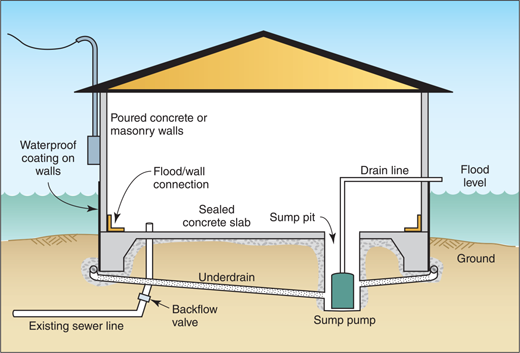
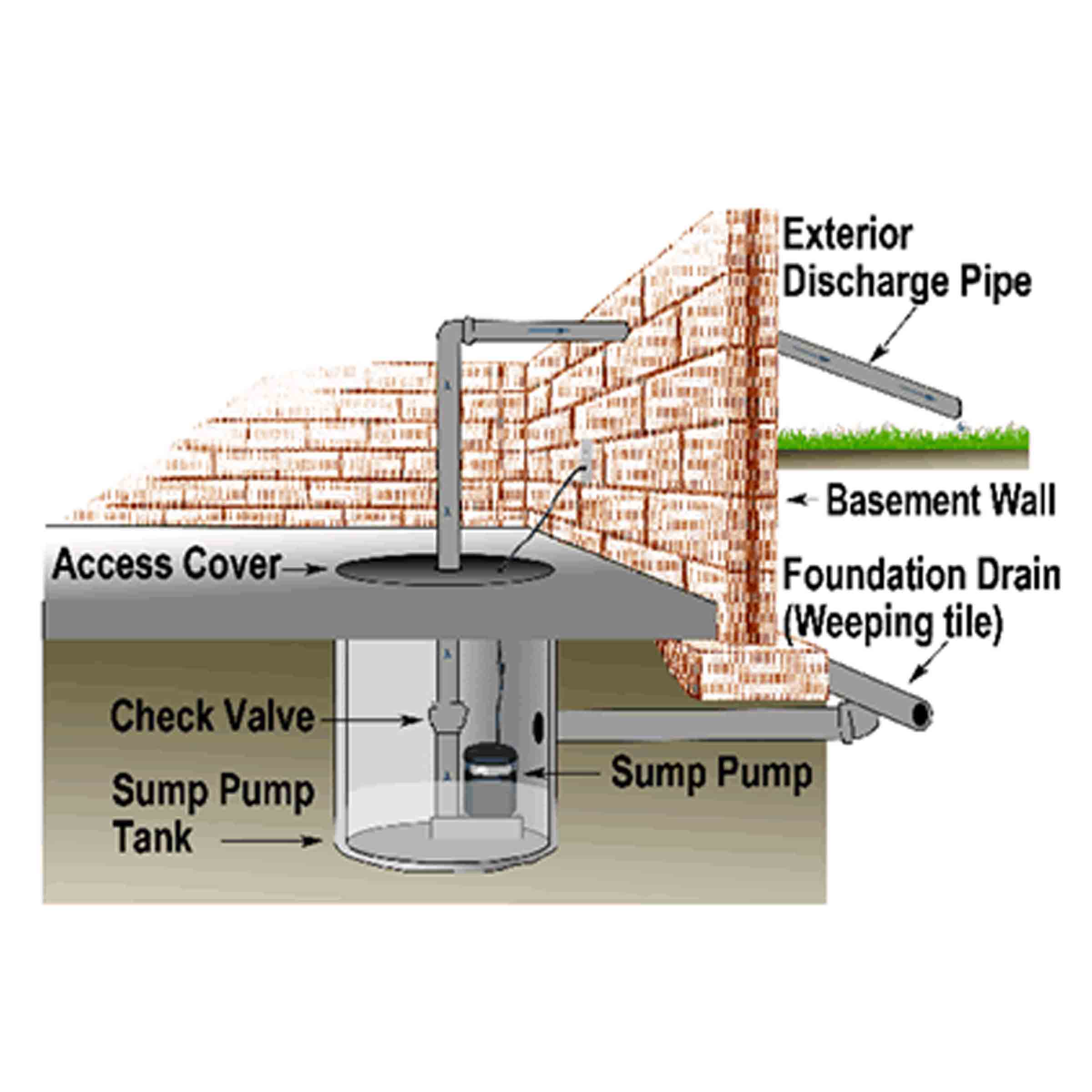
Picture this: a heavy rainstorm rolls in, water levels rise, and your basement, the cozy subterranean sanctuary it is, starts to feel a little... damp. That's where your sump pump springs into action! It's essentially a vigilant little sentinel, standing guard in a specially dug pit (the sump basin) in your basement floor. When groundwater or excess rain starts to fill that pit, a float switch triggers, and whoosh! – the pump kicks on, whisking that water away before it can even think about causing trouble. It's like having your own personal, tiny, basement-defending superhero!
The Great Escape: Where Does the Water Go?
This is the million-dollar question, isn't it? It’s not just disappearing into thin air! Your sump pump is a master of redirection, and it has a few preferred destinations for its watery cargo. Understanding these can turn you from a passive homeowner into an empowered property manager!
Must Read
1. The Public Storm Drain System: Your City's Hydrological Highway
For many homes, especially in urban and suburban areas, your sump pump is likely connected to the municipal storm drain system. Think of these as a completely separate network of underground pipes, designed specifically for rainwater runoff. They're like the express lanes for H2O, usually leading to nearby rivers, lakes, or retention ponds. This is generally the most common and preferred method because it efficiently manages large volumes of water without overwhelming other systems.
When your pump sends water here, it's essentially returning nature's rainfall back to nature, via a carefully designed infrastructure. Pretty neat, huh? It’s all about keeping our streets and homes dry and preventing floods.

2. The Mighty Dry Well or Seepage Pit: Your Personal Underground Reservoir
No city storm drain nearby? No problem! Many homes utilize a dry well or seepage pit. These are essentially underground chambers, often filled with gravel or perforated barrels, buried a safe distance from your foundation. The sump pump discharges water into this pit, and from there, the water slowly and naturally percolates back into the surrounding soil. It’s like a mini-underground aquifer, designed specifically for your home's drainage needs.
This method is fantastic for homes in more rural settings or for those looking for an eco-friendlier, more sustainable way to manage groundwater. It helps replenish local groundwater tables and reduces the strain on public systems. You're basically giving the earth a nice, slow drink!

3. Surface Discharge: Let it Flow, Let it Flow, Let it Flow (Responsibly!)
Sometimes, the simplest solution is the best, provided it's done correctly! Some sump pumps discharge water directly onto the ground surface, a safe distance from your home's foundation. You've probably seen a pipe sticking out of someone's house and thought, "What's that all about?" Well, often, it's a sump pump outlet!
The key here is responsible placement. The water needs to drain away from your home, ideally downhill, and certainly not towards your neighbor's property or creating erosion. It's about letting the water spread out and absorb naturally into your lawn or garden. Think of it as giving your plants an unexpected, yet welcome, drink during a downpour. Just ensure it's not creating a soggy mess or, worse, running back towards your own foundation!
4. The (Usually) Forbidden Path: Connecting to the Sanitary Sewer System
Now, here's a crucial point: your sump pump should almost never drain into your home's sanitary sewer system. That's the one that handles toilets, sinks, and showers, and sends water to a wastewater treatment plant. Why not? Because sanitary sewers are designed for a specific type and volume of water. Overloading them with massive amounts of rainwater during a storm can lead to serious problems, like sewage backups into homes (yikes!) or overwhelming treatment facilities. Many municipalities have strict regulations (and fines!) against this practice.
So, if you're ever unsure about your setup, it's always best to check local ordinances or consult a plumbing professional. Better safe than sorry when it comes to sewage!

Why This Knowledge Makes Life More Fun!
You might be thinking, "Okay, I know where the water goes. How does that make life fun?" Ah, my friend, it's about empowerment and peace of mind! Knowing your sump pump's destination means you're not just a homeowner; you're a savvy home steward. You're in tune with your home's vital systems.
- Prevent Disasters: Understanding the flow helps you ensure your system is working optimally, preventing costly floods and dampness. That's a huge win!
- Be a Good Neighbor: Knowing where your water goes means you can ensure it's not causing issues for others.
- Eco-Conscious Living: You're participating in responsible water management, whether by reducing strain on treatment plants or replenishing groundwater.
- Empowerment: There's a certain satisfaction that comes from understanding how your home truly works, from the ground up (literally!). It turns a potential mystery into a mastery.
So, the next time you hear that familiar hum from your basement during a storm, you won't just hear a pump; you'll hear the sound of protection, smart engineering, and peace of mind. You'll know exactly where that water is going and why. And isn't that a little bit inspiring?
We encourage you to take a peek at your own sump pump setup! Check out where its discharge pipe leads. Do some research on your local municipality's drainage rules. Every little bit of knowledge you gain about your home makes you a more confident, capable, and ultimately, happier homeowner. Go forth and be an expert on your own domain!