Where Are Smoke Detectors Required In A Home

Ever walked into a new place, glanced up, and noticed those little white discs on the ceiling? You probably know they're smoke detectors, but have you ever stopped to wonder, "Where exactly are they supposed to be?" It's a surprisingly fascinating question, not just for homeowners but for anyone who values safety. Learning about smoke detector placement isn't just about rules; it's about understanding a fundamental layer of protection for you and your loved ones. Think of it as unraveling a small, yet incredibly important, home safety mystery.
At its heart, a smoke detector has one simple, yet profound, job: to detect smoke and alert you to a potential fire as early as possible. Fires spread with astonishing speed, and those precious moments between ignition and a full-blown blaze are critical. A working smoke detector gives you and your family the extra time needed to escape safely, potentially saving lives and reducing property damage. Without that early warning, smoke – which can be disorienting and deadly – can quickly fill a home, making escape far more difficult. It's truly your first line of defense.
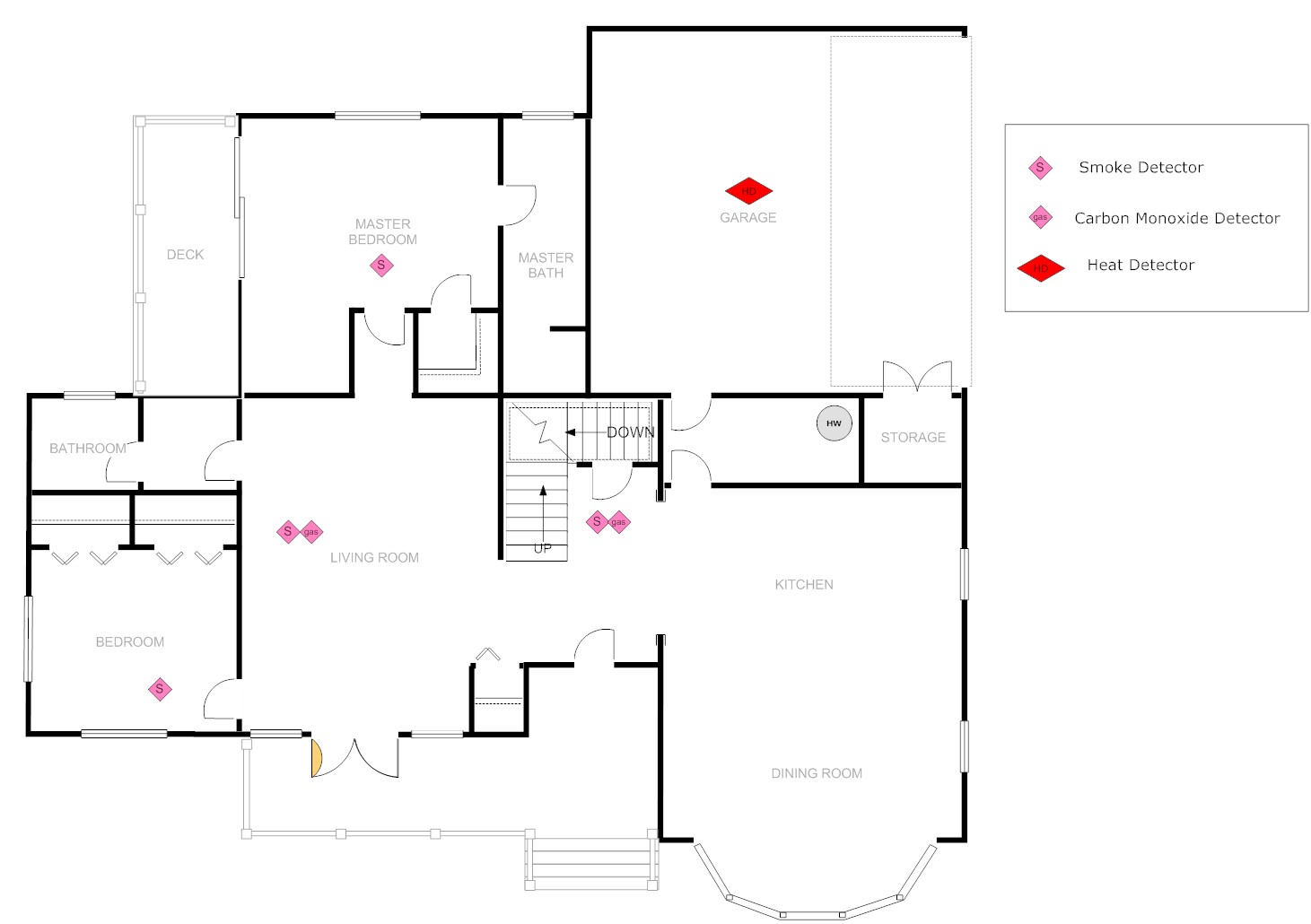
So, where do these silent guardians need to stand watch? While specific building codes vary, some universal guidelines form the backbone of home safety. Generally, you’ll find requirements for smoke detectors in three primary locations:
- Outside sleeping areas: Paramount. A detector should be in the hallway or area immediately adjacent to all bedrooms, alerting everyone as they exit.
- Inside every bedroom: Modern codes increasingly require a detector inside each individual bedroom. This provides direct protection for occupants while sleeping, especially if a fire starts with the door closed.
- On every level of the home: This includes the basement, main living floor, and any upper floors, even if no bedrooms are present. For multi-story homes, placing a detector on each level ensures comprehensive coverage.
Must Read
Now that you know the 'where,' how can you keep your home safe? It's simpler than you might think! First, test your smoke detectors monthly by pressing the test button. You should hear a loud alarm. If not, replace batteries or the unit. Speaking of batteries, replace them at least once a year, perhaps when you change clocks for daylight saving time – an easy reminder! Also, detectors don't last forever; manufacturers recommend replacing the entire unit every 10 years. Look for the manufacturing date. When placing them, avoid kitchens (to prevent nuisance alarms from cooking fumes) or bathrooms (steam can trigger them). Keep them away from air vents or windows where airflow might prevent smoke from reaching them quickly. For a deeper dive, learn about the two main types: ionization detectors (better for fast-flaming fires) and photoelectric detectors (more effective for slow, smoldering fires). Many modern units are dual-sensor. The best way to explore this further for your home is to check your local fire department’s website or building code office. They often have detailed, user-friendly guides on requirements and placement, ensuring your home meets the highest safety standards. It's a small effort for huge peace of mind!