
When To Switch To Gentle Formula
Hey there, fellow parent! Ever find yourself wondering if your little one's formula is quite right? Maybe they're a bit fussy, spitting up more than usual, or just generally seem uncomfortable. It's a common head-scratcher, and you're definitely not alone! One thing that might be on your radar: switching to a gentle formula. But when is the right time? Let's dive in and explore!
Think of formula like ice cream. There are tons of flavors and types – some are rich and decadent (like those heavy-duty formulas), while others are lighter and easier to digest (hello, gentle formula!). The goal is to find the perfect scoop that sits well with your baby’s tummy.
What Exactly Is Gentle Formula?
Okay, so what makes a formula "gentle" anyway? It basically means it's been designed to be easier for babies to digest. Often, this involves partially broken-down proteins (hydrolyzed proteins) – picture chopping up a big steak into tiny, bite-sized pieces. Easier to handle, right? Gentle formulas are also often lactose-reduced, which can be a big help for babies with sensitivities.
Must Read
You see, some babies have a tougher time breaking down the larger protein molecules found in standard formulas. It’s like trying to stuff a whole apple in your mouth at once – not so comfy! Gentle formulas take some of the digestive work off their tiny tummies.
Signs Your Baby Might Benefit From Gentle Formula
Alright, let's get to the juicy part: how do you know if your baby could use a gentler option? Here are some clues to look out for:

- Excessive Fussiness and Crying: We're talking beyond the normal baby grumbles. If your little one is consistently inconsolable, especially after feeding, it's worth investigating.
- Spit-Up City: All babies spit up a little. It's a fact of life. But if your baby is projectile vomiting or spitting up large amounts frequently, it could indicate a sensitivity.
- Gas and Bloating: A gassy baby is often an unhappy baby. If you notice frequent discomfort and bloating, a gentle formula could help. Think of it like this: imagine wearing pants that are too tight all day. Not fun, right?
- Constipation or Diarrhea: Irregular bowel movements can also be a sign that something isn't sitting right with your baby's digestive system.
- Eczema Flare-Ups: In some cases, food sensitivities can manifest as skin issues. If you notice a sudden increase in eczema, talk to your doctor.
Now, before you go all-in and switch formulas, remember this: always consult with your pediatrician first! These symptoms can have other causes, and your doctor can help you rule them out and determine the best course of action for your baby.
The Importance of Talking to Your Pediatrician
Seriously, this is crucial. I cannot stress this enough. Think of your pediatrician as your baby’s personal pit crew chief. They have the expertise to diagnose the problem correctly and guide you on the best solutions. Self-diagnosing and switching formulas willy-nilly can sometimes do more harm than good. They might suggest a different type of formula altogether, or recommend other interventions.
They will also help you to switch the formula slowly, to help your baby adjust!
Making the Switch: A Gradual Approach
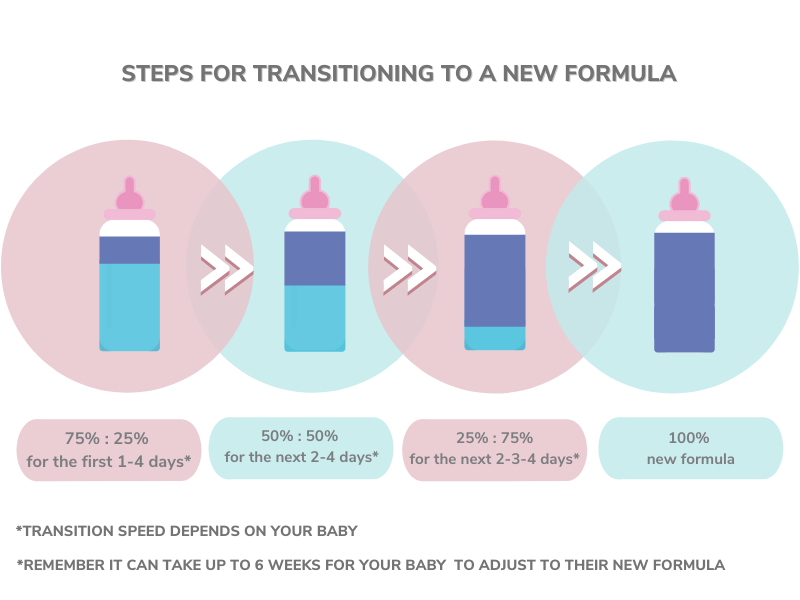
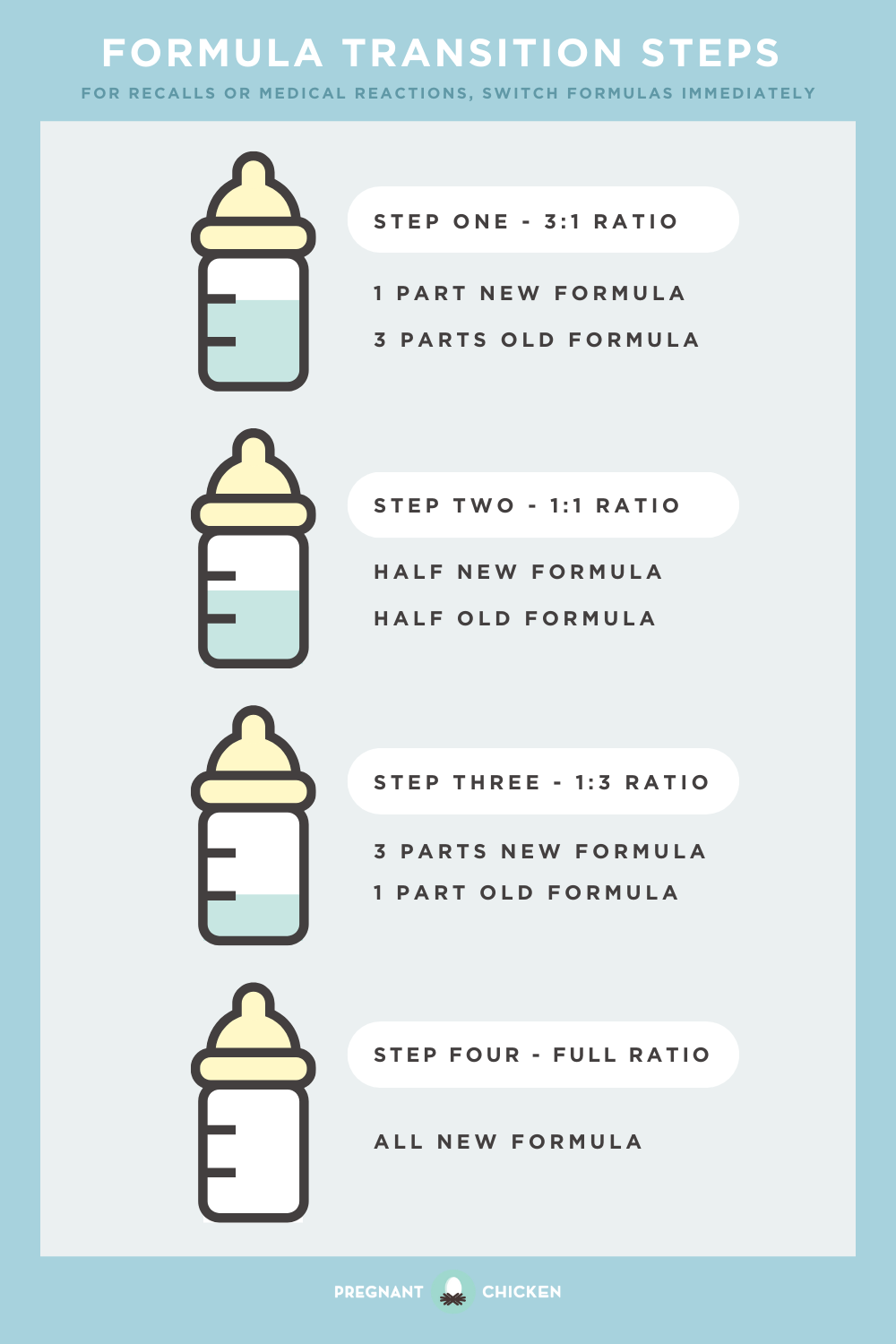
If your pediatrician gives the green light, here's the golden rule: go slow and steady! Don't just swap out all the formula at once. That could lead to even more tummy upset. Instead, gradually introduce the gentle formula, mixing it with the old formula over a period of days. For example:
- Day 1: 25% gentle formula, 75% old formula
- Day 2: 50% gentle formula, 50% old formula
- Day 3: 75% gentle formula, 25% old formula
- Day 4: 100% gentle formula
This gradual approach allows your baby's digestive system to adjust without being overwhelmed. Keep a close eye on your baby for any changes – positive or negative – and report them to your pediatrician.

Patience is Key!
Listen, it can take a few weeks to see a noticeable difference after switching to a gentle formula. Don't get discouraged if you don't see results immediately. Just like learning to ride a bike, your baby’s tummy needs time to adjust and build its “digestive muscles.”
Remember that every baby is different! What works for one baby might not work for another. It's all about finding what’s best for your little one. Be patient, be observant, and communicate with your pediatrician. You got this!
So, is gentle formula the right answer for your baby? Only your doctor can say for sure. But armed with this info, you're well-equipped to start the conversation and find the perfect “flavor” to keep your little one happy and healthy.
