
When To Start Using A Lifting Belt
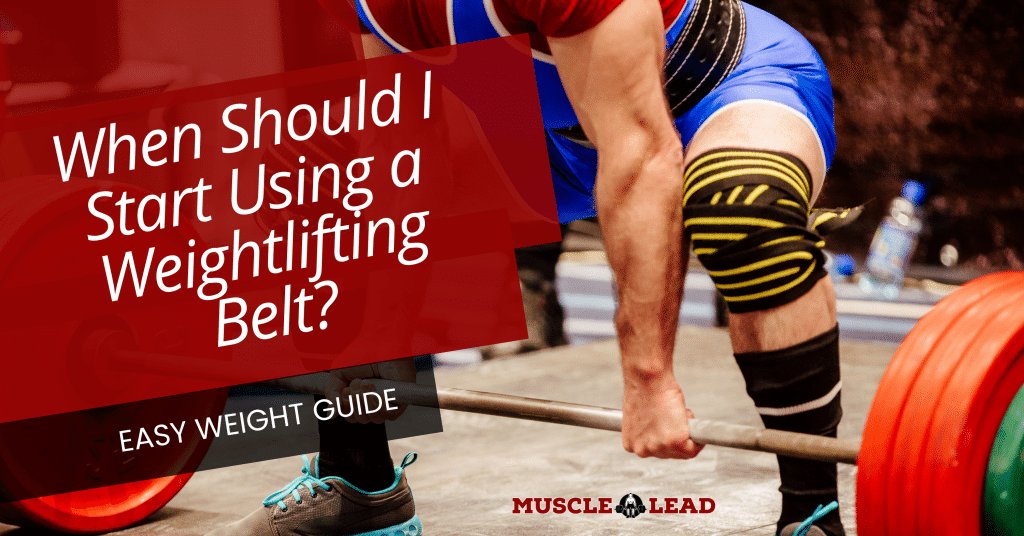
Okay, let's talk lifting belts! Sounds boring, right? Wrong! It’s a surprisingly controversial and often misunderstood piece of gym equipment. Think of it like the gym equivalent of pineapple on pizza – people have STRONG opinions.
The big question: when do you actually need one? Are you instantly a chump if you strap one on day one? Are you a superhero if you squat double your body weight without one? Let's find out!
Are You Even Ready For This Jelly (aka, A Belt)?
First things first: are you even lifting weights that warrant a belt discussion? We're not talking about bicep curls with 5lb dumbbells. Though, hey, you do you! But seriously, a lifting belt is primarily for heavy, compound movements. Think squats, deadlifts, overhead presses… the kind of stuff that makes you grunt.
Must Read
Think about it: you wouldn’t wear full racing gear to drive to the grocery store, would you? Unless, you know, you really want to. But generally, no. Same principle applies here.
Here's the honest truth: for beginners, focusing on proper form and core engagement is WAY more important than slapping on a belt. Nail the fundamentals first. Build that solid foundation. Get comfortable controlling your body before adding external support.
Imagine trying to build a house on quicksand. A belt is like trying to add a fancy paint job before the foundation is even dry. Disaster awaits!

The Weighty Issue (Pun Intended!)
So, what's "heavy" enough to warrant a belt? There's no magic number. It's subjective. But a good rule of thumb is when you're consistently lifting weights around 70-80% of your one-rep max for multiple reps.
Why that range? Because that's typically where form starts to break down under fatigue. That's when a belt can potentially provide extra support and stability.
But remember, a belt isn't a magical force field. It doesn't automatically make you stronger. It helps you create intra-abdominal pressure, which stabilizes your spine and allows you to lift slightly more weight… safely (hopefully!). Think of it like a hug for your insides. A really, really tight hug.
Listen To Your Body (It’s Smarter Than You Think… Sometimes)
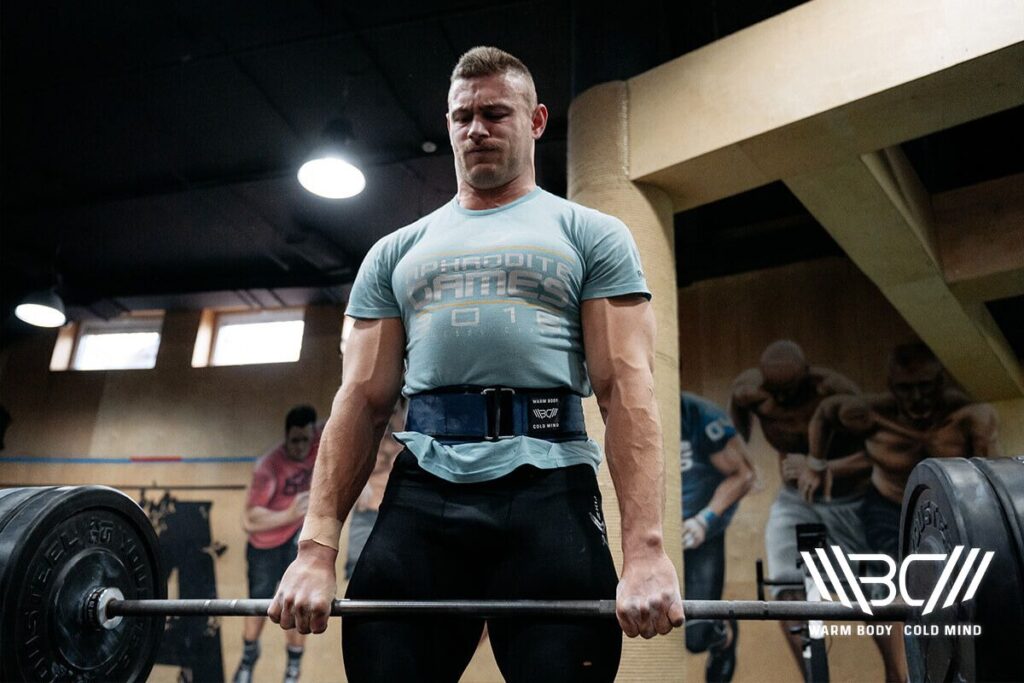
Beyond percentages, pay attention to your body. Are you feeling a noticeable wobble in your core during heavy lifts? Is your lower back screaming at you louder than your gym playlist? These are signs that extra support might be helpful. But again, always prioritize proper form!
Sometimes, back pain isn’t a signal for a belt, but a signal you’re being a goofball. Are you ego lifting? Using questionable form? Take a step back, reassess, and maybe swallow your pride (it's a tough pill, we know).
Think of your body like a finely tuned instrument. If it’s making weird noises, don't just slap duct tape on it (aka a belt). Figure out what's actually causing the problem!
The Belt Isn't a Crutch, It’s a Tool!
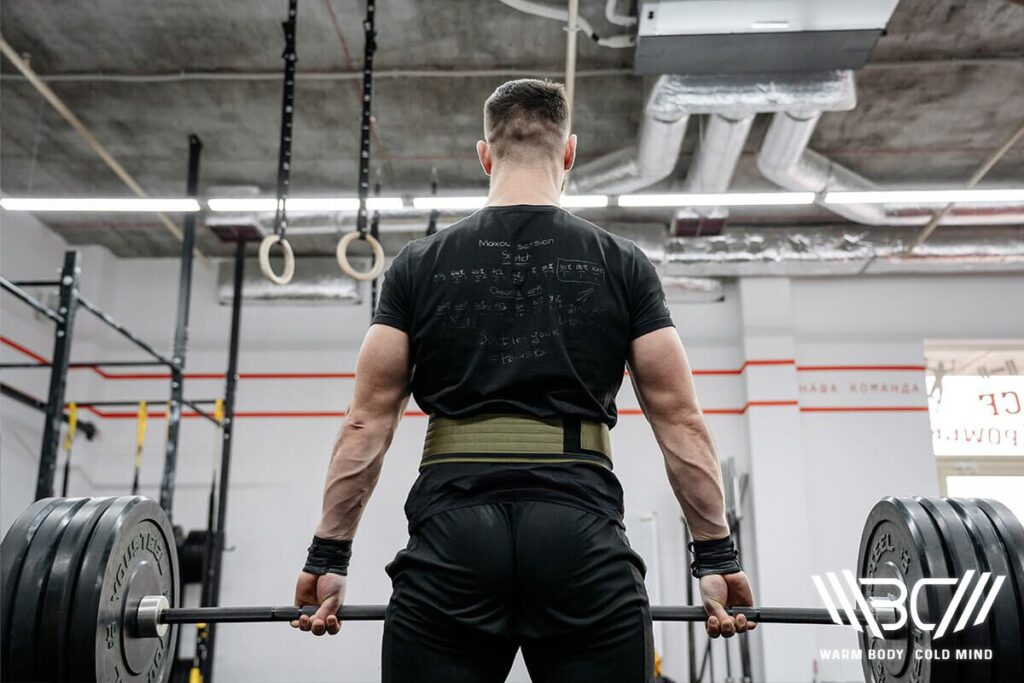
Here’s a crucial point: a lifting belt shouldn't be a crutch. It’s not there to compensate for weak core muscles. It's a tool to enhance performance and potentially reduce risk of injury when used correctly.
You need to actively engage your core while wearing a belt. If you're just relying on the belt to hold you together, you're doing it wrong. It’s like driving a car with autopilot but falling asleep at the wheel. Bad idea.
Practice bracing your core without a belt regularly. Learn to create that intra-abdominal pressure naturally. This will not only improve your lifts but also protect your spine in everyday life. Imagine bracing every time you pick up a grocery bag. You’d be unstoppable!

Experiment and Educate Yourself!
Ultimately, the decision to use a lifting belt is personal. Experiment with it. Try it on a few heavy sets. See how it feels. Does it improve your stability? Does it allow you to lift more weight without compromising form?
Do your research. Talk to experienced lifters and coaches. Watch videos on proper belt technique. Don’t just blindly strap it on and hope for the best.
And finally, don't be afraid to ditch the belt sometimes! Lifting without a belt can help you build core strength and improve your body awareness. Variety is the spice of life (and lifting!).
So, go forth, lift heavy things (safely!), and remember: a lifting belt is just one piece of the puzzle. The real secret to strength is consistent training, proper nutrition, and a healthy dose of self-awareness. And maybe a little bit of pineapple on pizza. Just kidding… mostly.