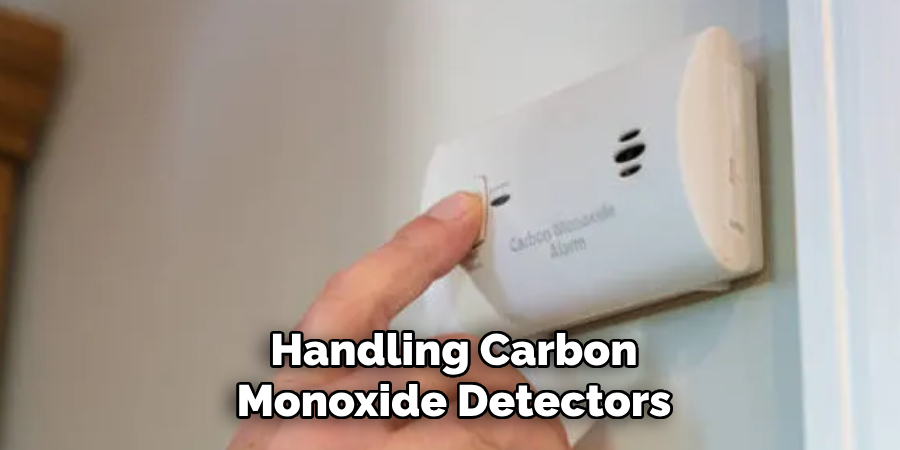
When To Change Carbon Monoxide Detector

Okay, let's talk about that little gadget on your wall or ceiling, quietly doing its thing. No, not the smoke detector – though bless its shrill heart – we're talking about its equally important, often overlooked cousin: the carbon monoxide detector. You know, the one you probably installed years ago, patted yourself on the back, and then promptly forgot existed. Sound familiar?
We've all been there. It's like that super comfy pair of sweatpants you've owned since college. They're still technically sweatpants, but are they really providing the same level of structural integrity and overall dignity they once did? Probably not. Your CO detector, bless its circuit board heart, isn't much different.
It's Got an Expiration Date (Like Milk, But Less Sticky)
Here's the big one, the mic drop moment for CO detectors: they have an expiration date. Yep, just like that yogurt hiding in the back of your fridge, or your driver's license, or your last shred of patience during rush hour. Most folks just assume these things are immortal, like a sturdy brick house or that one relative who seems to defy time.
Must Read
But nope! Typically, a carbon monoxide detector is good for about 5 to 7 years. Some fancy models might stretch to 10. How do you find this magical date? Flip it over! Or, if it's wall-mounted, give it a gentle twist off its base. Look for a "replace by" or "end of life" date printed right on the back. It's like finding a secret message from the future, reminding you to get your act together.
Ignoring this date is like trusting a weather forecast from 2008. It might still be generally applicable, but you're probably going to get wet when you really didn't expect to. Don't risk it!
The Infamous Chirp (Not Just a Low Battery!)
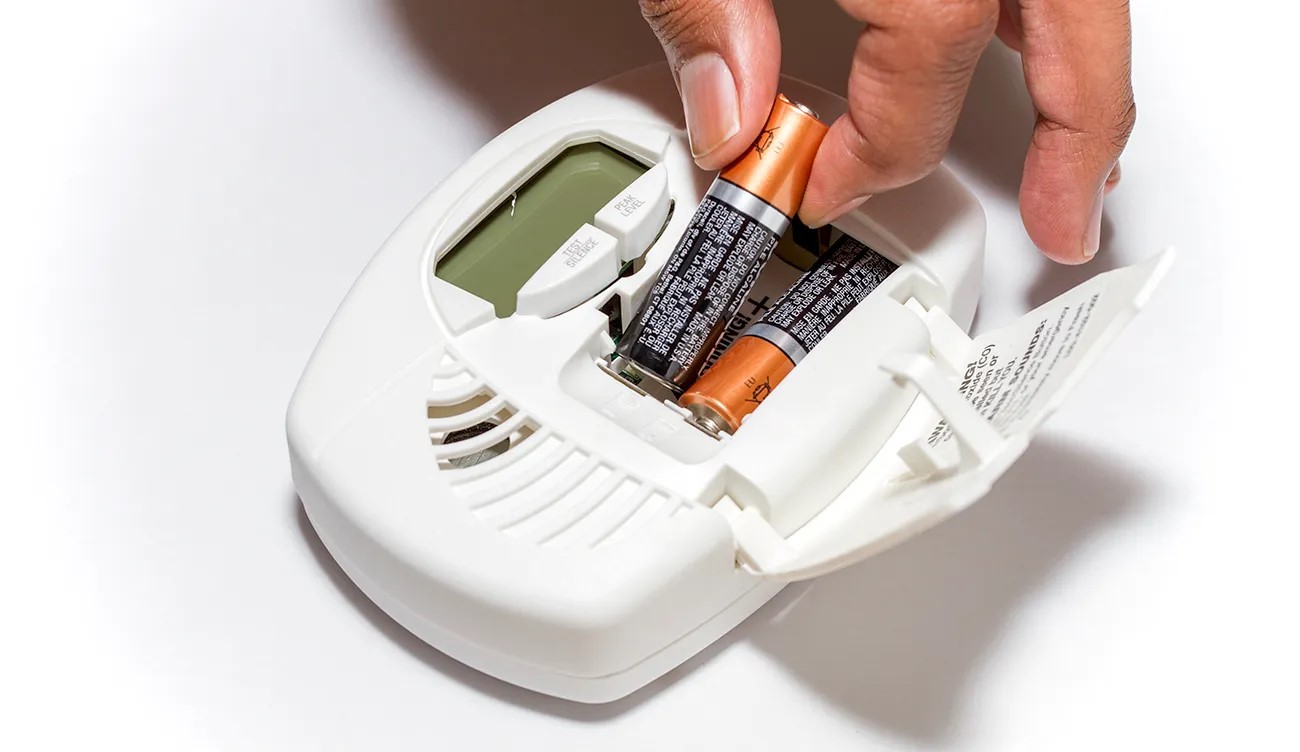
Ah, the chirp. That infernal, intermittent peep that starts subtly and then escalates into a full-blown assault on your sanity. We've all played "find the chirper" at 3 AM. It's usually the smoke detector, right? And the fix is simple: new batteries, problem solved. But with a CO detector, that chirp can mean something else entirely.
While yes, it could be a low battery (always try replacing those first!), a persistent chirp from a CO detector can also be its end-of-life signal. It's essentially throwing its tiny hands up in the air and saying, "I'm done! My sensors are tired! My warranty's over! I need a vacation... from existence!"
So, if you've swapped out the batteries and it's still chirping its little heart out, don't try to reason with it. Don't try to duct-tape it. It's not a stubborn old car that just needs a good kick. It's time for a replacement. That chirp isn't just annoying; it's a polite (or not-so-polite) safety warning.

It Just Looks... Old (Like Us Sometimes)
Let's be real. Some things just look like they've seen better days. That faded patio furniture, your favorite coffee mug with the chipped rim, or perhaps, your carbon monoxide detector. If it's discolored, dusty beyond belief, or you genuinely can't remember when you put it up, chances are, it's time.
Think of it like this: would you trust your super-important text messages to a flip phone from 2005? Probably not. Even if it looks like it's working, the technology inside these detectors degrades over time. The sensors that detect carbon monoxide aren't immortal. They get less sensitive, a bit foggy, and generally less reliable as the years roll by.

So, even if it hasn't started its chirping death knell, and you can't find an expiration date (maybe it rubbed off, or it's just that old), if it's been a decade, or even eight years, since you last thought about it, it's a pretty safe bet it's time for an upgrade. Consider it a preventative strike against potential future chirps and, more importantly, a boost for your family's safety.
The Takeaway: Don't Be a Renegade
Changing your CO detector isn't like changing your identity and moving to a new country. It's a quick, easy, and relatively inexpensive task. Make it a habit to check the dates, maybe when you change your clocks for daylight saving, or when you replace the batteries in your smoke detectors. Make it a yearly ritual, like your annual attempt at spring cleaning or your renewed commitment to a healthier lifestyle that lasts about three weeks.
Carbon monoxide is called the "silent killer" for a reason. It's odorless, colorless, and generally sneaky. Your detector is your tireless, unsung hero, constantly sniffing out danger. So, give your hero the respect it deserves. Check that date, embrace the beep, and treat your home to a shiny, new guardian. Your future self (and your good night's sleep) will thank you!