What Was The Purpose Of Daylight Savings
Ah, Daylight Saving Time! The bi-annual ritual that either fills you with dread or a strange sense of anticipation. You know the drill: "spring forward, fall back!" But beyond the groggy mornings or the glorious extra hour, have you ever stopped to wonder, what's the actual point of all this clock-toggling chaos? It's a question that sparks debates at dinner tables and fuels online forums, making it a surprisingly popular and useful topic to explore.
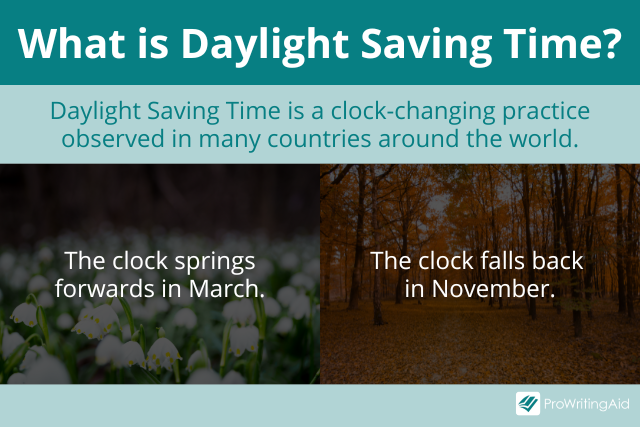
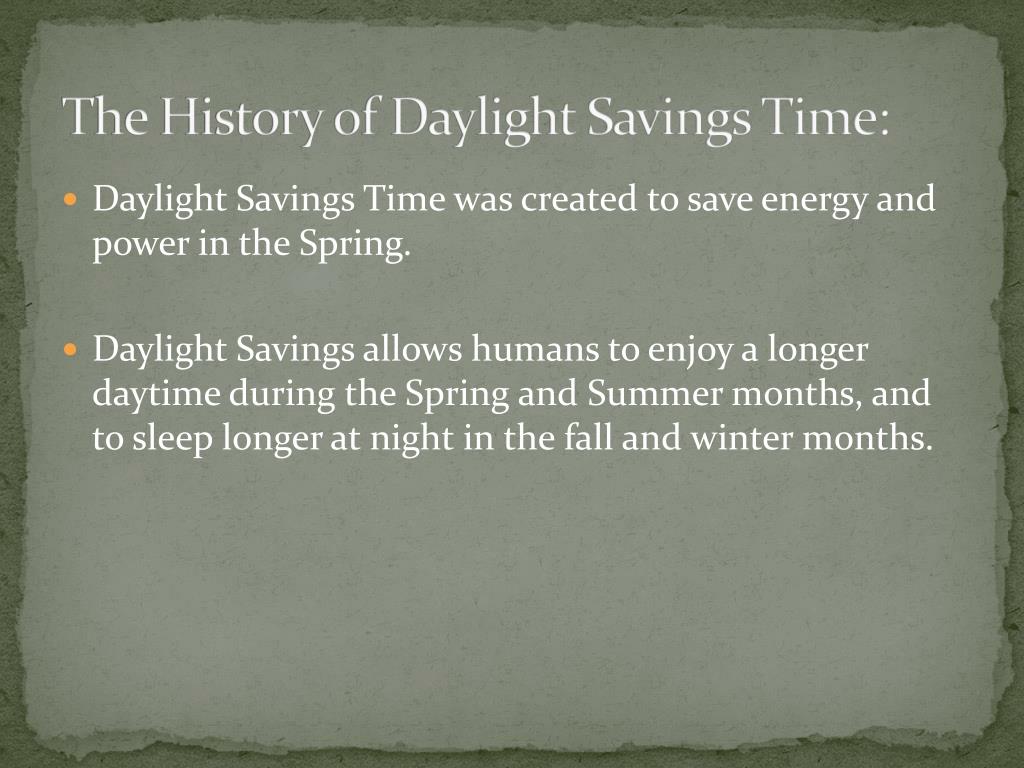
The core idea behind Daylight Saving Time is beautifully simple: to make better use of natural daylight. Imagine a world where the sun rises super early while most people are still asleep, and then sets while there's still plenty of evening to be had. That's a lot of "wasted" morning light and more need for artificial light in the evening. The solution? Shift the clock an hour forward in the spring, effectively moving an hour of morning daylight to the evening. Genius, right?
While Benjamin Franklin famously quipped about saving candles by waking up earlier, the modern push for Daylight Saving Time truly began with a British builder named William Willett in the early 20th century. Frustrated by how much daylight was "wasted" during summer mornings, he longed for more time to enjoy outdoor activities in the evenings. His passionate campaigning paved the way for its eventual adoption.
Must Read
The primary benefit, and the main reason it was widely adopted during World War I and II, was energy conservation. By extending daylight into the evening, people would theoretically need less artificial lighting in their homes and factories, thus saving precious fuel and electricity. Imagine millions of light bulbs staying off for an extra hour each day across a nation – that added up to significant energy savings during times of resource scarcity.
But the benefits didn't stop at just saving energy. Proponents also highlighted economic advantages. With more daylight in the evenings, people were more inclined to stay out longer, indulge in shopping, enjoy recreational activities, and participate in sports. This boost in evening activity could translate into increased sales for businesses and a healthier local economy. Think of all the extra time for barbecues, gardening, or a stroll in the park after work – activities that might be cut short if darkness fell earlier.
Furthermore, there were often cited safety and health benefits. More daylight in the evening could lead to fewer traffic accidents (due to better visibility for drivers and pedestrians) and a reduction in crime rates (darkness often provides cover for illicit activities). The extended daylight hours also offered more opportunities for people to exercise outdoors and generally enjoy fresh air, contributing to overall public well-being.
Of course, Daylight Saving Time isn't without its critics, especially in our modern world where energy consumption patterns have changed and the disruption to sleep schedules is a real concern. But understanding its original intent helps us appreciate this fascinating, global experiment. It was, and still is, an ingenious attempt to harness the sun's rhythm for human benefit, proving that sometimes, simply tweaking the clock can illuminate our lives in unexpected ways.