
What Is Z Wave Technology

Okay, so picture this: you're trying to make your home smart, right? Like, "Alexa, dim the lights and lock the doors" smart. But then you start looking into it, and suddenly it's a tangled mess of Wi-Fi, Bluetooth, Zigbee, and... wait, Z-Wave? Your eyes glaze over. Mine too, trust me!
But fear not, my friend! Grab another coffee. Because Z-Wave, despite its slightly sci-fi-sounding name, is actually one of the coolest, most reliable, and frankly, easiest ways to get your smart home dreams off the ground. Think of it as the quiet hero behind the scenes, making everything just… work.
So, What Is Z-Wave, Really?
Alright, let's break it down. At its heart, Z-Wave isn't some magical wizardry. It's simply a wireless communication protocol. Yeah, yeah, sounds fancy, I know. But basically, it's a special language that smart home devices use to talk to each other. Instead of yelling across the house in different dialects, Z-Wave devices all speak the same language. It's like having a universal translator for your light switches, door locks, and thermostats.
Must Read
And here's the kicker: it’s a low-power language. This means your Z-Wave battery-powered sensors won't be constantly begging for new batteries every other week. Which, let's be honest, is a huge win for anyone who's ever run out of AAAs at 2 AM trying to make a remote work, right?
How Does It Work Its Magic? (The Mesh Network!)
This is where it gets genuinely clever, without getting bogged down in tech jargon. Z-Wave creates something called a mesh network. Imagine a bunch of friends passing a secret note around a room. If one friend can't reach the person they're supposed to give it to directly, they just hand it to someone else who can pass it along. See?
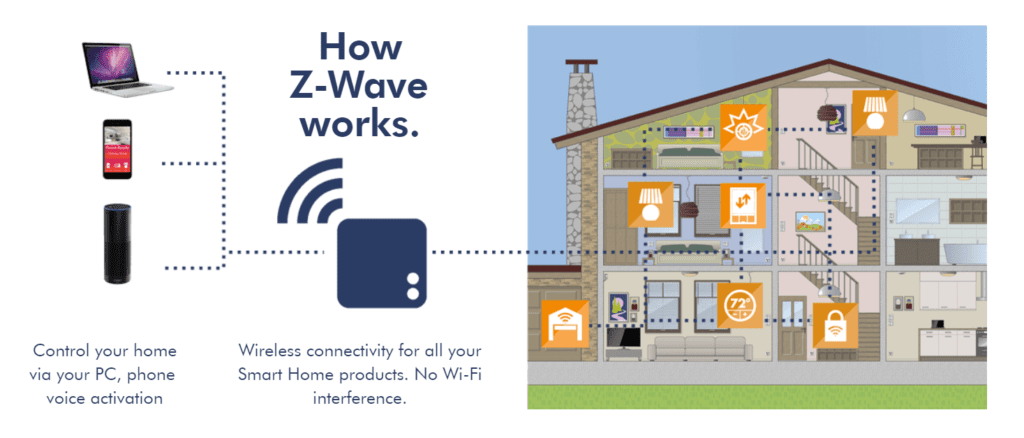
That's your mesh network! If a Z-Wave device (like a light switch that’s always plugged in) can't directly "talk" to your main Z-Wave hub, it'll relay its message through another Z-Wave device that's closer. This makes your network super robust. The more Z-Wave devices you have, especially those plugged into power, the stronger and more reliable your network becomes. How cool is that? It's like your smart home devices are all working together, forming a little digital community.
Why Should I Care About Z-Wave? The Big Wins!
Okay, so it talks, it meshes. Big deal, right? Wrong! Here's why Z-Wave often wins the popularity contest among smart home enthusiasts:

1. It's Not Your Wi-Fi's Business!
Unlike some other smart home tech that clogs up your Wi-Fi, Z-Wave operates on a completely different frequency (usually around 908.42 MHz in North America, a different one in Europe). This means your Netflix binge-watching and online gaming won't be affected by your smart lights. Glorious!
2. Low Power, Long Life.
We touched on this, but it's worth repeating. Because it uses less power, those battery-powered Z-Wave sensors for doors, windows, or motion can last for years. No more frantic battery runs, my friend.
3. Security, Baby!
Z-Wave devices communicate using encryption. Think of it as a secret code that only your Z-Wave devices understand, making it much harder for unwanted intruders (the digital kind, not the "breaking and entering" kind, though it helps with those too!) to snoop on or mess with your smart home.
4. They Play Nicely Together.
This is probably Z-Wave's biggest superpower. The Z-Wave Alliance has strict certification standards. This means if a device has the Z-Wave logo, it's guaranteed to work with any other Z-Wave device and any Z-Wave hub. No more "will this light switch talk to that thermostat?" headaches. It's all about interoperability, baby! Pick your favorite brands, mix and match – Z-Wave doesn't care, as long as it speaks its language.
What Kinds of Gadgets Use It?
Pretty much anything you can imagine in a smart home! You'll find Z-Wave in:

- Light switches and dimmers: The classic smart home starter.
- Door locks: Keyless entry, remote locking. Super handy!
- Thermostats: Control your climate from anywhere.
- Motion sensors: Trigger lights, security alerts.
- Door/window sensors: Know if something's open or closed.
- Smart plugs: Turn any dumb appliance into a smart one.
- And a whole lot more!
Essentially, if you want it to talk to other things in your home automatically, there's probably a Z-Wave version of it.
Is It Hard to Set Up?
Honestly? Usually no! You'll need a Z-Wave hub (like SmartThings, Hubitat, or HomeSeer, to name a few). Then, it's typically a matter of putting your hub into "inclusion mode" and pressing a button on your Z-Wave device. The hub finds it, you name it, and boom! You're in business. It's often much simpler than trying to get every single Wi-Fi device connected and managed.
So, next time you hear "Z-Wave," don't let it intimidate you. Think of it as the friendly, reliable communication system making your smart home smarter, safer, and a whole lot less stressful. It's the silent workhorse, letting you focus on the fun stuff – like commanding your coffee maker from bed. You're welcome!