What Is The Octane Rating Of Diesel Fuel
Alright, let’s talk about something truly perplexing. It’s a question that pops up, usually from someone with a twinkle in their eye, hoping to stump you. Or maybe it’s just genuine curiosity. You know the one:
“So, what’s the octane rating of diesel fuel?”
And then you, dear reader, can unleash a knowing smile. Because here’s my slightly unpopular, but utterly correct, opinion: asking about the octane rating of diesel fuel is like asking for the "horsepower" of a perfectly ripe avocado. It’s a fun thought experiment, but it just doesn’t compute. They live in different universes!
The Great Fuel Divide: Spark Plugs vs. Squeeze Plays
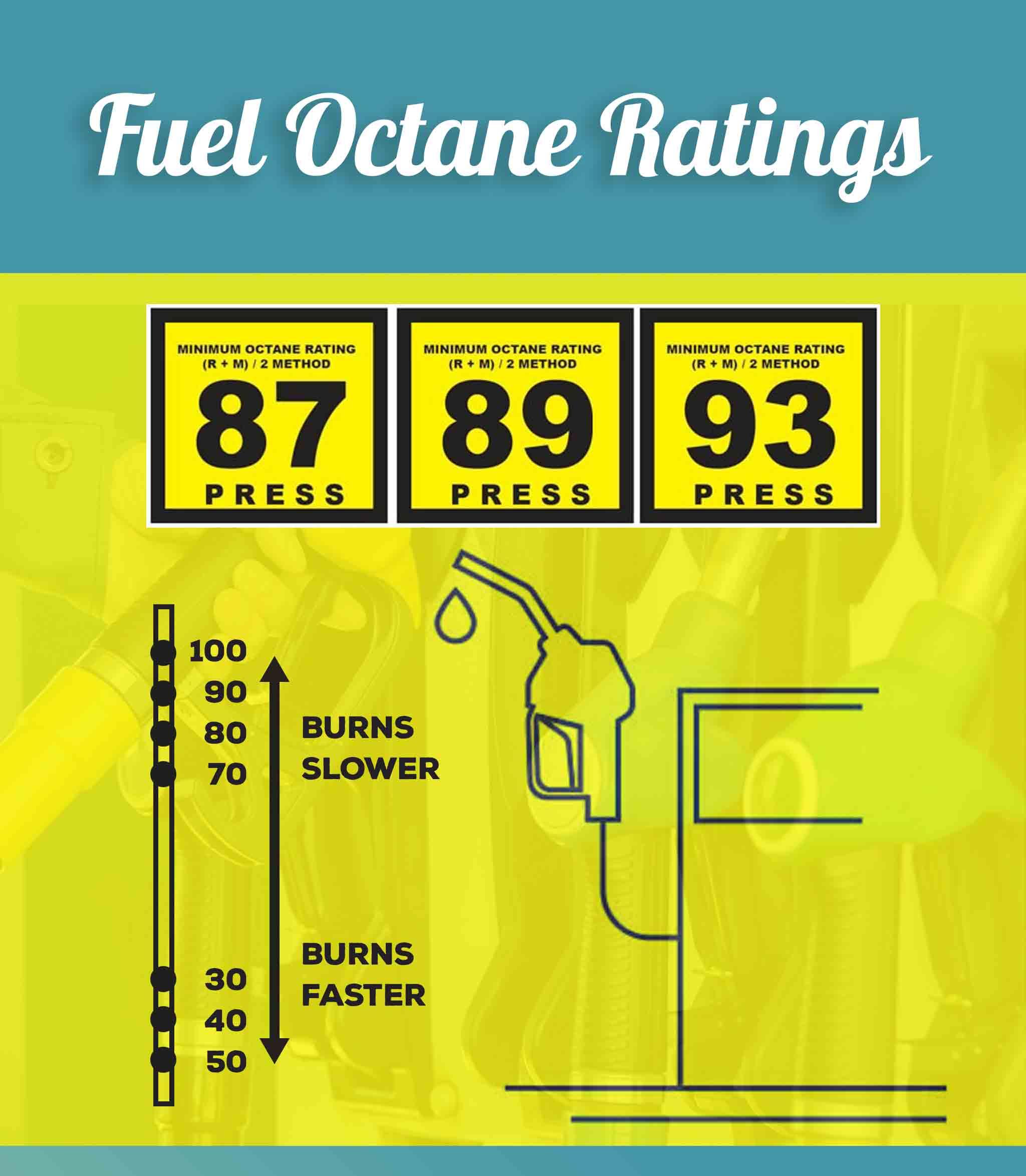
Think of it this way. Gasoline and diesel are like two different types of superheroes. Gasoline, with its fancy octane rating (you know, 87, 89, 91, all those numbers), is the flamboyant one. It needs a tiny, precise spark to ignite. That octane rating tells us how well it resists uncontrolled, early explosions. High octane fuel is good at patiently waiting for that spark. It’s the calm, collected type.
Must Read
Now, diesel? Oh, diesel is a different breed entirely. It’s the strong, silent type. It doesn’t need a spark plug. Nope, not one bit. Diesel engines work by squeezing air until it’s super-hot. We’re talking seriously hot. Then, the diesel fuel gets squirted into that super-hot air. And BAM! It ignites from the sheer pressure and heat. It’s a glorious, fiery squeeze play.
So, you see, measuring diesel’s ability to resist pre-ignition (which is what octane measures for gasoline) is just… irrelevant. It’s designed to ignite under pressure, not resist it! It’s like trying to judge a fish by its ability to climb a tree. Not fair, fish! Not fair at all.
Meet Diesel's True Pal: The Cetane Rating
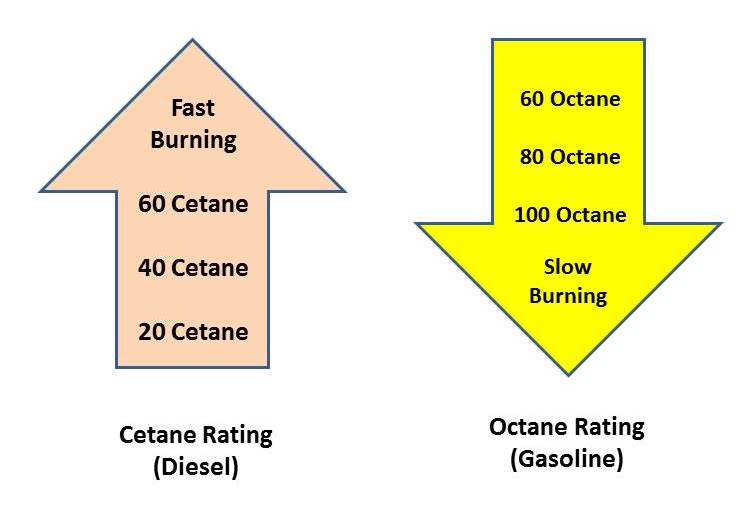
Instead of octane, diesel fuel has its own special performance indicator. It’s called the
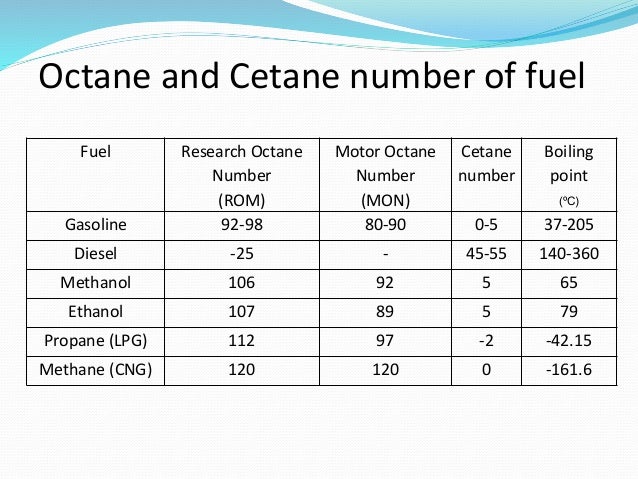
cetane rating.And while it sounds fancy, it’s actually quite straightforward. The cetane rating tells you how quickly and smoothly diesel fuel ignites when compressed. The higher the cetane number, the quicker the ignition. This leads to a happier engine, smoother running, and less clatter.
So, if octane is all about resisting premature ignition, cetane is all about enthusiastically jumping into action when the time is right. They’re opposites, really. One is about patience, the other about promptness. It’s a beautiful fuel yin and yang.
You’ll typically see diesel fuel with a cetane rating somewhere in the 40s or 50s. If you’re ever at a pump and wondering about diesel’s quality, this is the number to look for. Not the phantom octane rating.
Embrace the Difference!
So, the next time someone slyly asks you about the octane rating of diesel fuel, you can smile conspiratorially. Lean in close. And whisper,
“My friend, diesel doesn’t play by those rules. It’s too busy being awesome in its own unique way. We’re talking cetane here, not octane!”You’ll be enlightened, and they’ll be amused (or perhaps slightly confused, which is just as fun).
It’s a great reminder that not everything fits into the same box. And sometimes, the most entertaining questions are the ones that challenge our assumptions. So, go forth, armed with your new knowledge about the magnificent, spark-free world of diesel and its trusty cetane rating. Your avocado will thank you.