What Is The Main Goal Of Comparative Effectiveness Research
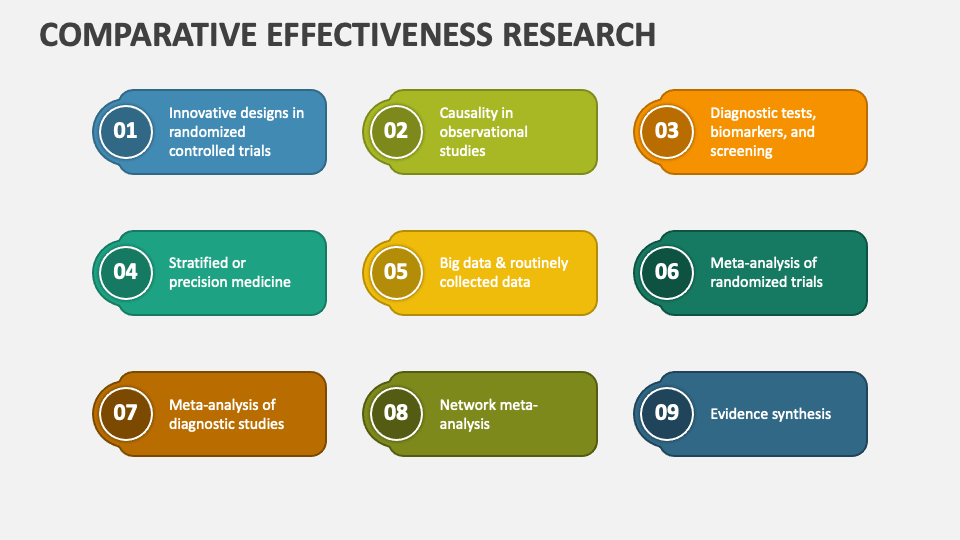
Okay, picture this: You've got a headache that's pounding like a drummer in a heavy metal band. You reach for the medicine cabinet. What do you grab? Is it the fancy new headache pill endorsed by that celebrity who always looks suspiciously happy? Or the trusty old pain reliever your grandma swore by? This, my friends, is where Comparative Effectiveness Research (CER) struts onto the stage, ready to rock your world!
What's CER All About? Think Headaches (and So Much More!)
Essentially, the main goal of CER is to figure out which treatment, medicine, therapy, or intervention actually works best. Not just in a pristine lab setting, but in the real world, with real people, who have messy lives and forget to take their pills sometimes. We're talking about finding out which option gives you the most bang for your buck (and keeps that headache drummer from staging a hostile takeover of your brain!).
Think of it like this: you’re choosing between two pizza places. Luigi's claims to have the "World's Best Pizza," featuring unicorn cheese and stardust sprinkles (okay, maybe I'm exaggerating... slightly). Mama Rosa's offers a classic, no-frills pepperoni pizza that's been a local favorite for decades. CER is like conducting a pizza taste test on a grand scale, comparing Luigi's sparkly creation to Mama Rosa’s reliable staple to see which one actually delivers a more satisfying pizza experience to more people.
Must Read
The "Best" Isn't Always the Most Expensive (or the Most Hyped)
The cool thing about CER is that it's not just about which treatment can work. It's about which one actually works better for whom, and under what circumstances. Sometimes, the answer is surprising. That super-expensive, brand-new treatment might not be as effective as a tried-and-true, less-costly option. Imagine spending a fortune on a self-folding laundry machine only to discover it folds everything into origami swans – beautiful, but utterly useless for putting away in your drawers! CER is all about avoiding those laundry-related (or, you know, health-related) catastrophes.

It's All About Real-World Results
CER looks at a whole bunch of factors. Does the treatment have side effects? How long does it take to work? Is it easy to stick to? Does it improve your quality of life? Does it break the bank? All these things matter! Let's say you're choosing between two diets. Diet A promises you'll lose 20 pounds in a week... but it only involves eating raw kale and chanting ancient Sanskrit verses. Diet B, on the other hand, is a balanced approach that involves eating real food and doing some moderate exercise. CER would look at which diet people can actually stick to long-term, which one improves their overall health, and which one doesn't make them want to sell their soul for a slice of pizza.
"CER is like having a really smart, data-driven friend who helps you make the best choices for your health."
From Headaches to Heart Disease: CER's Got Your Back!
So, CER isn't just about headaches and pizza. It covers a huge range of health conditions, from heart disease to diabetes to mental health. It can help doctors and patients make informed decisions about which treatments are most likely to improve their health and well-being. It even helps insurance companies and policymakers figure out how to spend healthcare dollars wisely. No more unicorn cheese pizza if the pepperoni is doing the job better!
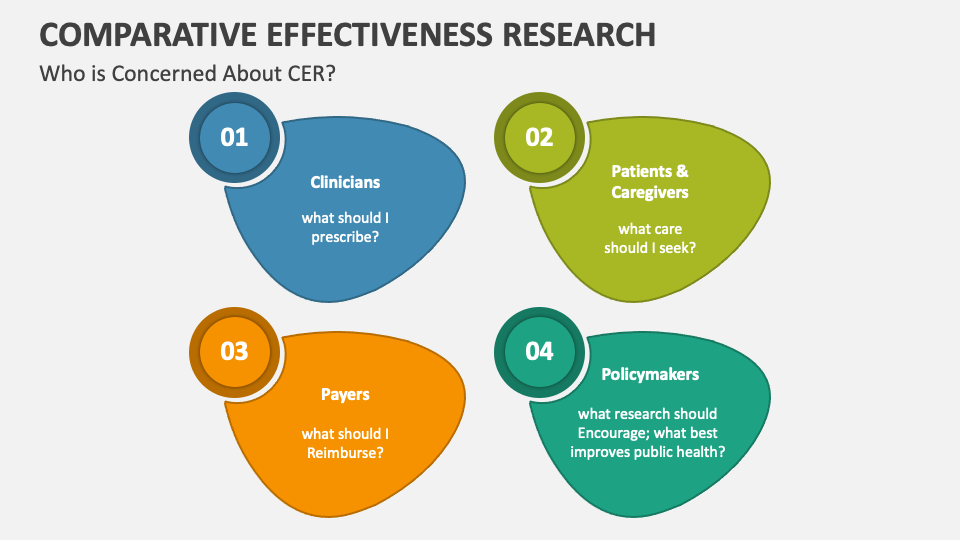
Think of it as empowering yourself (and everyone else) with the knowledge to make smarter, healthier choices. CER takes the guesswork out of healthcare and shines a light on what truly works. And that, my friends, is a pretty awesome goal.
So the next time you're faced with a health decision, remember CER. It's there to help you navigate the world of treatments and find the option that's best for you. And who knows, maybe it will even save you from a headache – or at least help you choose the right pizza topping!