
What Is The Field Of View
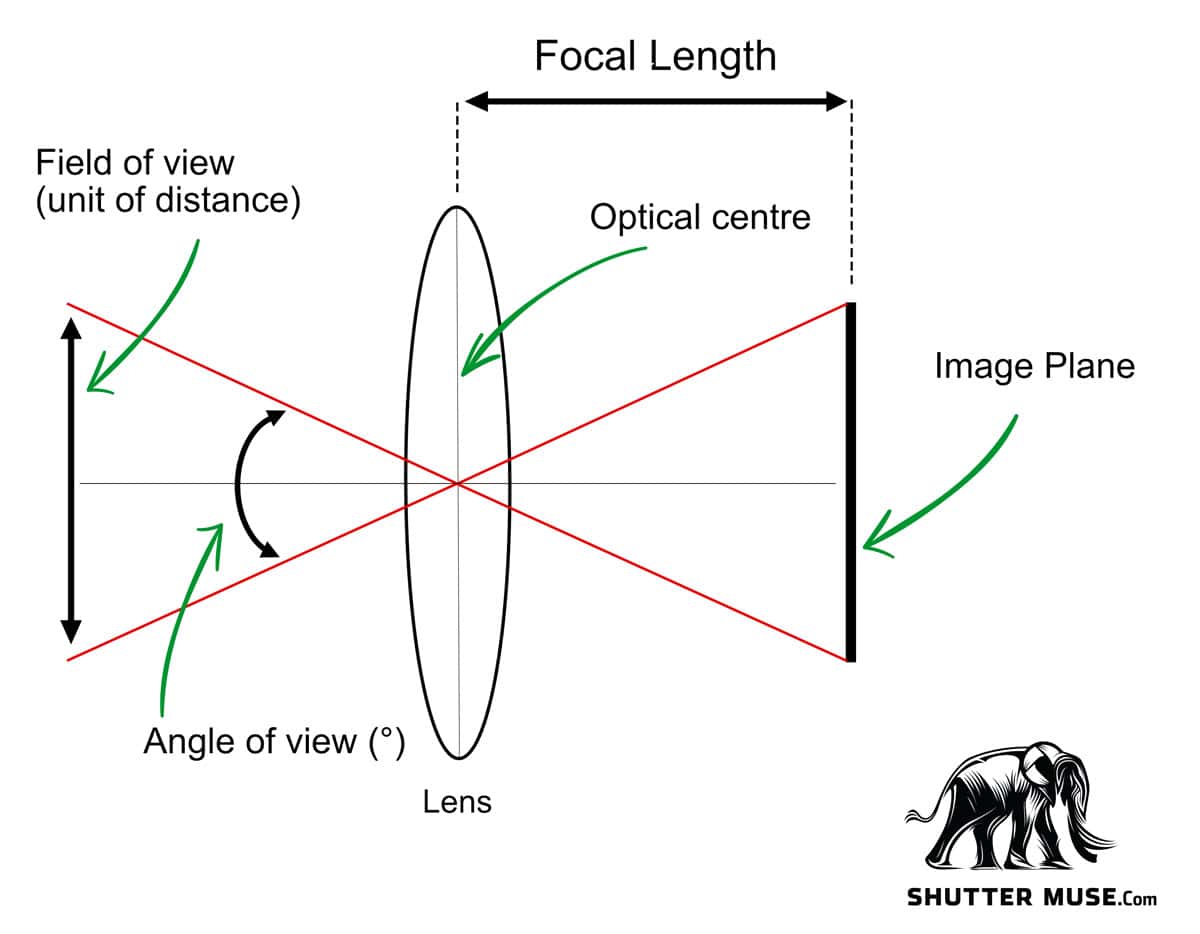
Ever walked into a room and just felt the whole space, from the quirky wallpaper to the sleeping cat in the corner? Or perhaps you've been so engrossed in a book that the rest of the world just faded away?
That feeling, that mental snapshot of what you can see at any given moment, is your Field of View. It's not a fancy scientific term to be afraid of; it's simply your window to the world, big or small, wide or narrow.
Your Everyday Superpower: Seeing It All (Or Just Enough!)
Think about driving. You're focused on the road ahead, but your eyes and brain are also taking in the car in the next lane, the cyclist approaching the intersection, and the child's ball rolling into the street.
Must Read
That incredible ability to see what’s directly in front of you and everything else to the sides is thanks to your impressive human Field of View. It keeps you safe and helps you navigate the bustling world.
Without your amazing peripheral vision, parallel parking would be an absolute nightmare, and crossing a busy street? Forget about it!
It's like a built-in wide-angle lens for your brain. You don't consciously think, "Okay, now I'm using my Field of View," but you rely on it constantly, from pouring a cup of coffee to catching a thrown ball.
Imagine being at a concert. You want to see the lead singer's expressive face, but also the drummer's wild hair and the flashing lights on the stage.
Your FoV lets you take in that whole vibrant spectacle, creating an unforgettable memory. It’s about appreciating the big picture, even when you’re focused on the details.
Animals: A Whole New Perspective!
Our FoV is great for humans, but what about our animal friends? Their worlds can look incredibly different!
Take a majestic horse. With eyes on the sides of its head, a horse has a super-wide FoV, almost 350 degrees around! This allows them to spot predators sneaking up from nearly any direction.
However, this wide view comes with a trade-off: they have a very small blind spot right in front of their nose and directly behind them. That's why riders use blinkers to keep horses focused and calm.
Then there's the chameleon, a true FoV superstar! Each of its eyes can move independently. One eye might be looking for lunch, while the other is scanning for danger. It’s like having two personal security guards, each with its own tiny camera!
An owl, on the other hand, has eyes fixed forward, giving it fantastic depth perception for hunting prey in the dark. But it can’t move its eyes much, so it compensates by being able to rotate its head an astonishing 270 degrees!
Talk about needing a flexible neck to see the world!
Gaming & Gadgets: Expanding Our Horizons
Ever played a video game where you feel completely immersed, like you’re actually there? A big part of that magic is a well-designed Field of View.
In virtual reality (VR), a wide FoV makes you feel like you’re truly inside the digital world, instead of looking through a small window. It’s the difference between peeking through a keyhole and opening a huge door.
A narrow FoV in a game might make you feel cramped or unaware of your surroundings, which can even make some players feel a little queasy. The wider the view, the more natural and comfortable the experience.
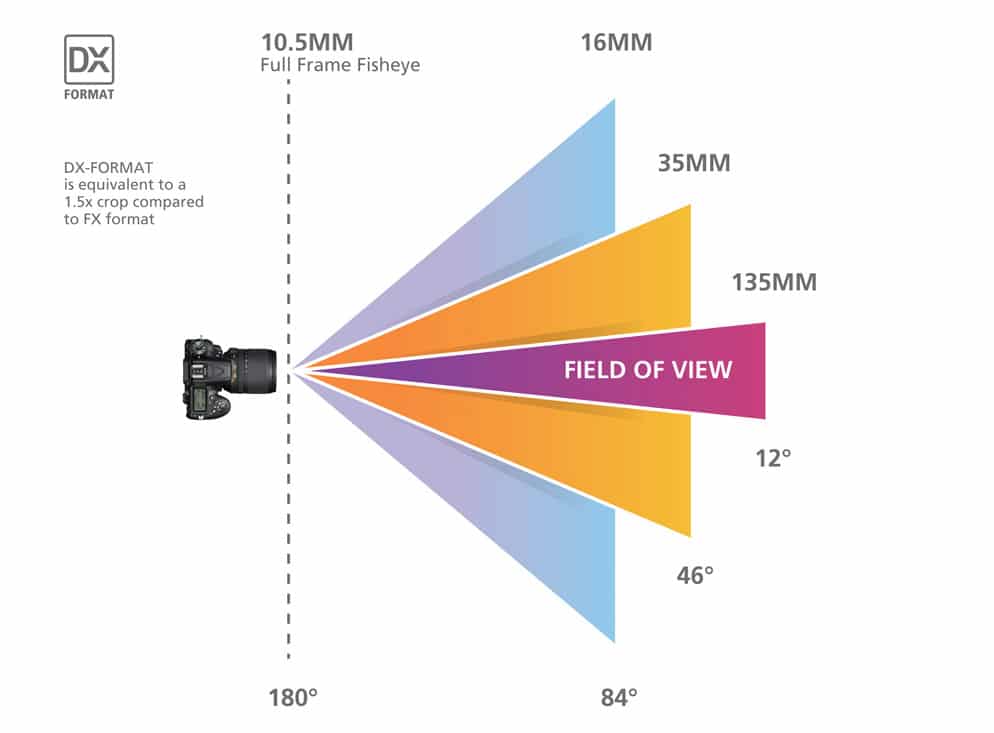
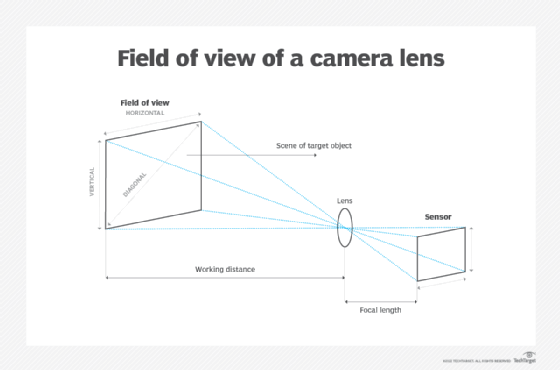
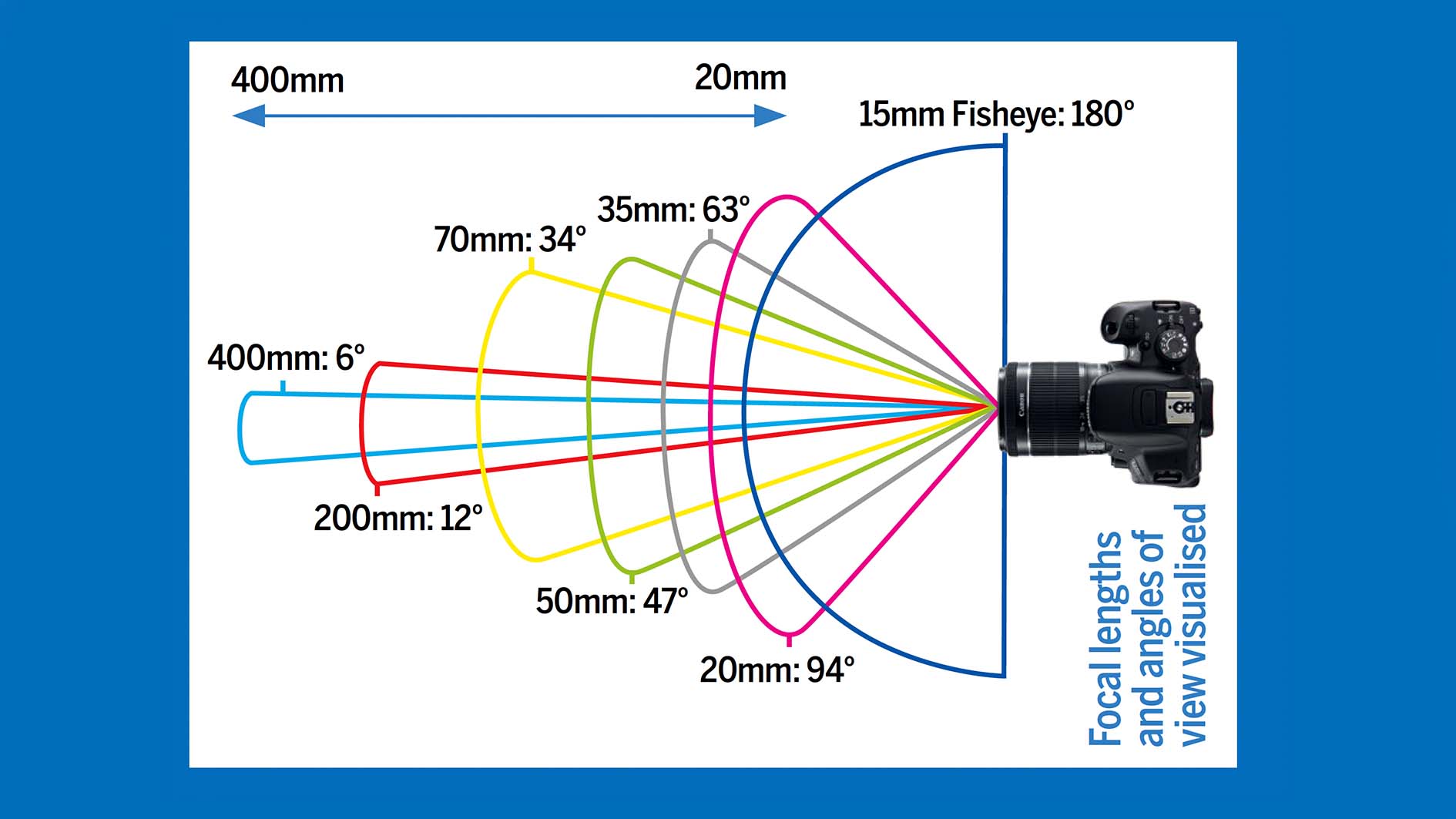
Think about cameras too. A "fisheye" lens captures an incredibly wide, distorted FoV, often used for artistic effect or to show an entire landscape in a single shot. It literally bends the light to show you more.
On the flip side, a powerful telephoto lens has a very narrow FoV. It lets you zoom in on that tiny bird on a distant branch, bringing it right into your visual world, cutting out everything else.
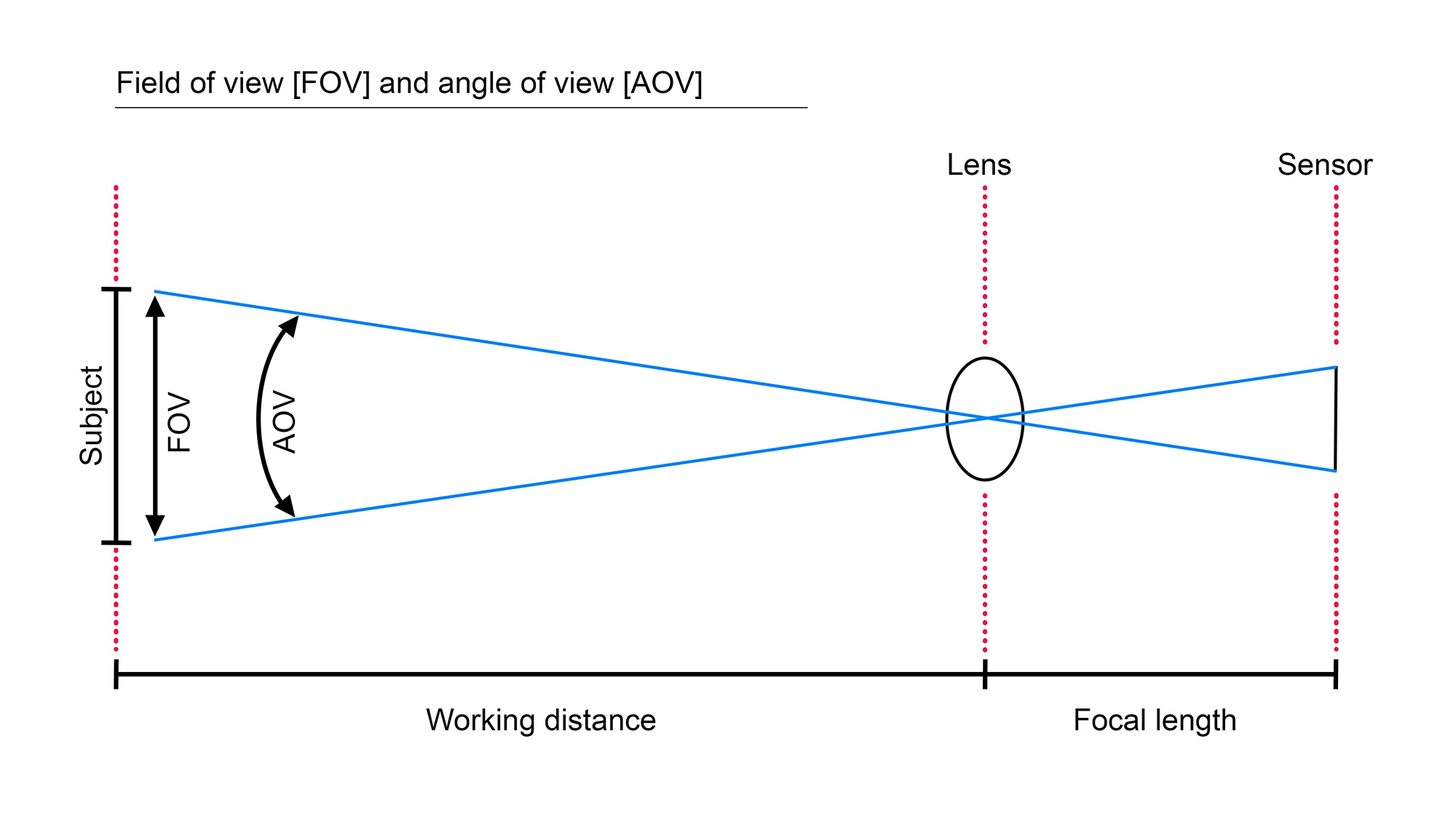
It's all about choosing the right FoV for the story you want to tell, whether it’s with your eyes or a camera lens.
Microscopes and Telescopes: Tiny Worlds and Starry Vistas
These incredible inventions literally change our Field of View.
A microscope narrows our FoV down to an almost impossibly tiny speck, but it reveals an entire universe within that speck. We can see cells, bacteria, and intricate patterns invisible to the naked eye.
It’s like diving headfirst into a minuscule wonderland, all thanks to a carefully controlled FoV.
And telescopes? They do the opposite. They widen our perception, bringing distant galaxies and nebulae into our view, turning pinpricks of light into swirling cosmic masterpieces.
They expand our FoV beyond our planet, connecting us to the vastness of space. It's truly humbling to think about how a simple concept can unveil such wonders.
Not Just What You See, But How You Live
Ultimately, Field of View is more than just how much you can see with your eyes. It’s also a lovely metaphor for how we approach life itself.
Do you focus intently on one thing, ignoring everything else? Or do you try to take in the bigger picture, appreciating all the details and connections around you?
Sometimes we need a narrow FoV to concentrate and achieve a goal. Other times, a wide FoV helps us appreciate the beauty and complexity of the world, fostering empathy and understanding.
The next time you’re walking down the street, or watching a movie, or simply gazing out a window, take a moment to notice your own incredible Field of View.
It’s a constant, silent companion, helping you experience, learn, and love the world around you, one amazing visual moment at a time. It's a reminder to keep your eyes (and your mind) wide open!