
What Is The Best Night Vision Scope

Hey there, night owl! So, you're diving into the world of night vision scopes, huh? Awesome! It's like unlocking a secret superpower, but instead of X-ray vision, you get... well, dark-vision. Pretty cool, right? But finding the best one? That's where things get a little... tricky.
Think of it like choosing the best coffee – everyone has their own favorite blend and brewing method. There's no single "best," just the best for you and what you're trying to do. Are you hunting feral hogs? Stargazing? Or just want to see what your cat's really up to at 3 AM? (Spoiler: probably knocking stuff off shelves).
Generations: Night Vision's Family Tree
First things first, let's talk "generations." No, we're not talking about your grandparents (unless they're secretly night vision gurus). We're talking about the tech inside those scopes. Think of them as different versions of the night vision software, each improving on the last.
Must Read
Gen 1: This is your entry-level, "dipping your toes" into the night vision pool. They're the most affordable, but also the least powerful. Think grainy images and limited range. Good for beginners, or those on a super tight budget. Just don't expect to see a deer 300 yards away. More like 30...maybe.
Gen 2: Now we're talking! A noticeable jump in clarity and range compared to Gen 1. You'll pay a bit more, but you'll also see a lot more. Get it? See? Okay, I'll stop. Gen 2 is a good all-around option for various activities.
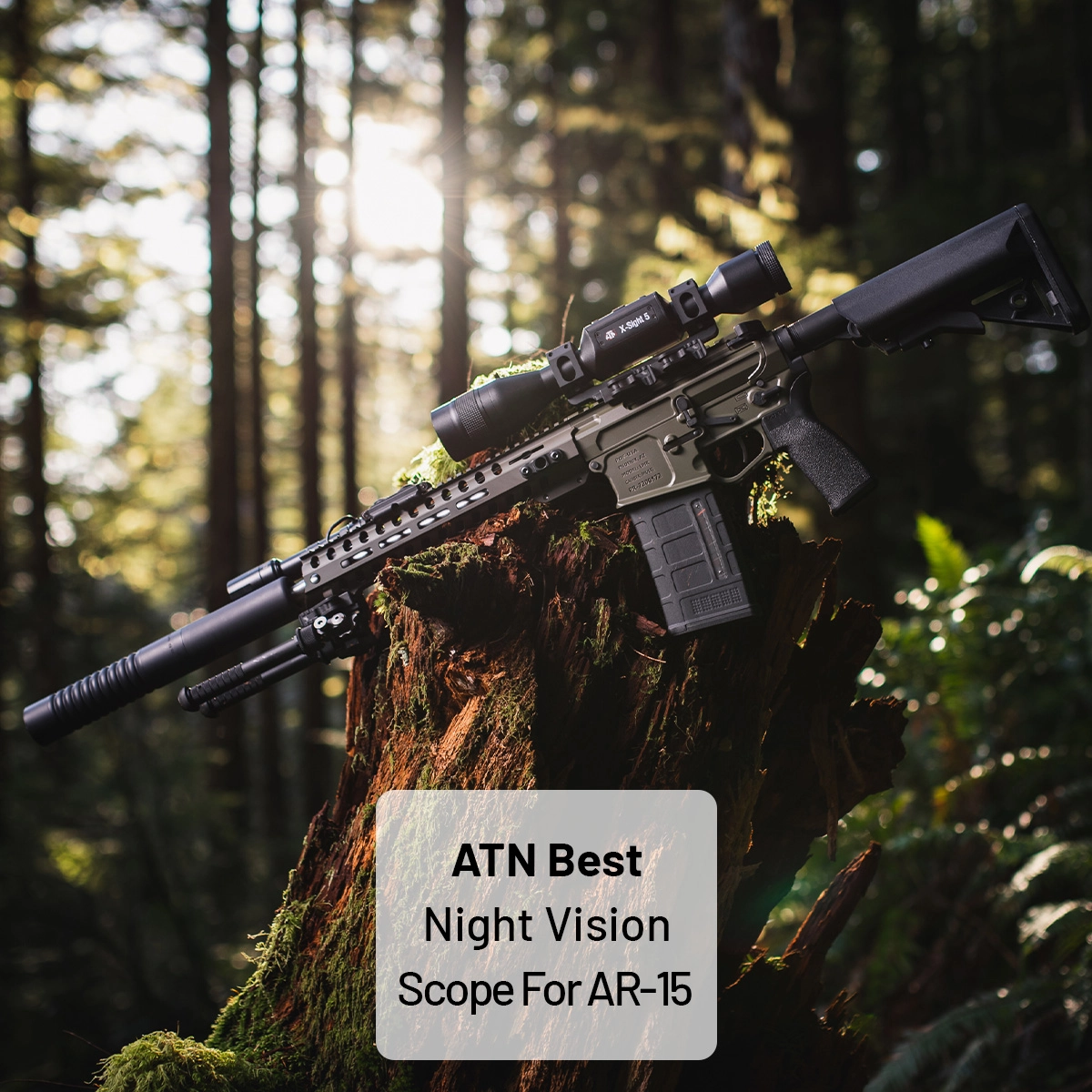
Gen 3: The gold standard, baby! Used by military and law enforcement (and serious hobbyists), Gen 3 scopes offer the best image quality, range, and overall performance. Expect to pay a premium, but if you need the best, this is it. Seriously, the image clarity is almost unreal.
Gen 4: The "newer kid" on the block. These feature a "filmless" image intensifier tube. Meaning, they don't have that pesky ion barrier film, resulting in better low-light performance and longer tube life. But hold on... some argue that the benefits are marginal for the extra cost. Is it worth it? Debatable!
Beyond Generations: What Else Matters?
Okay, generation isn't the only thing to consider. Think about these other factors too:

Magnification: How much do you want to zoom? More magnification means you can see further, but it can also reduce image brightness and field of view. Trade-offs, trade-offs!
Objective Lens Size: A larger objective lens (the one at the front) gathers more light, leading to a brighter image. Simple as that! Big lens = more light = happy eyes.

IR Illuminator: Many scopes have built-in infrared (IR) illuminators. These act like tiny invisible flashlights, boosting the image brightness in super-dark conditions. But be careful, some animals can detect IR light!
Budget: Let's be real, this is a big one. Night vision scopes can range from a few hundred dollars to several thousands. Set a realistic budget before you start drooling over those top-of-the-line models. Your wallet will thank you.
Intended Use: Are you hunting? Surveillance? Bird watching? (Night bird watching? That's a thing, right?). The best scope for one activity might be terrible for another. Consider how much abuse your scope is likely to suffer as well. Are you going to throw it in a backpack or is it going to live in a climate controlled storage locker?
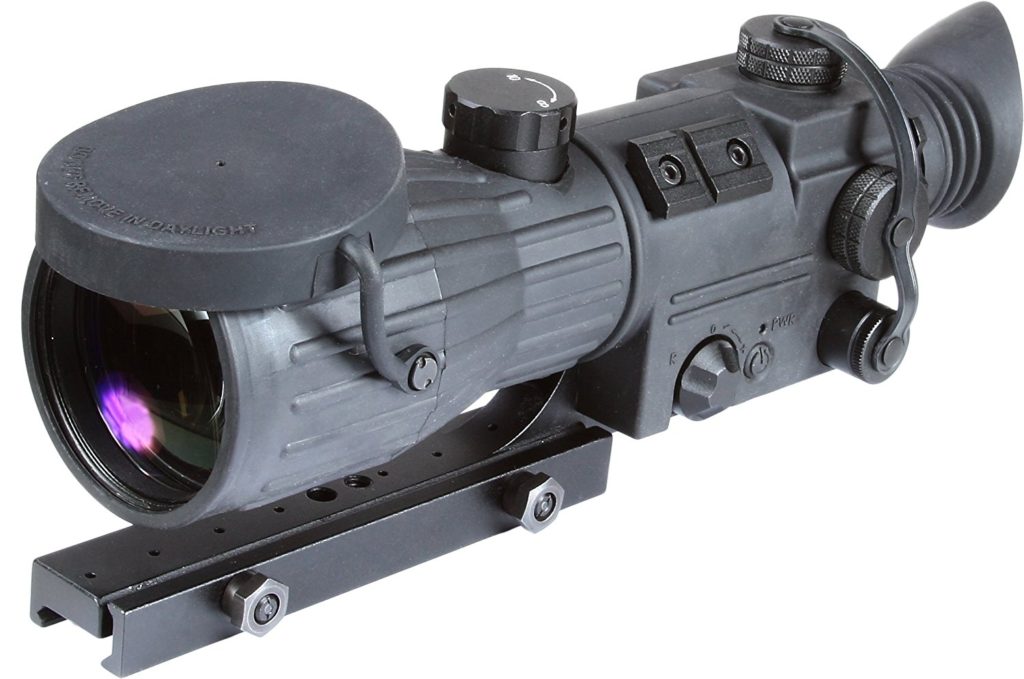
So, What's the Verdict?
Alright, so, after all that, what's the best night vision scope? I'm not going to give you a straight answer, because, well, there isn't one! It all depends on your needs, budget, and what you plan to use it for.
Do your research, read reviews (from reliable sources, not just random forum posts), and maybe even try out a few different scopes if you can. And remember, have fun with it! Exploring the world in the dark is an awesome experience.
Happy night-seeing, friend!