What Is The Best Kwh Rate
Ever found yourself staring at your electricity bill, a little bewildered by the numbers, and wondering, "What exactly is a kWh, and am I paying too much for it?" You're not alone! Diving into the world of your electricity rate, or what we often call the kilowatt-hour (kWh) rate, isn't just for number-crunchers; it's a fascinating journey that can actually save you money and make you feel more in tune with your home's energy heartbeat.
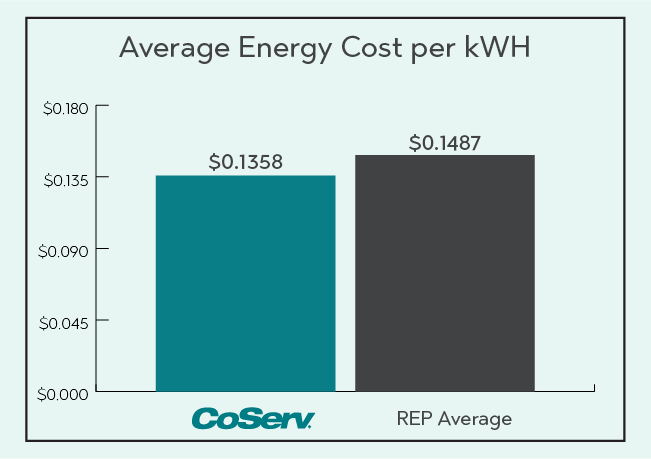
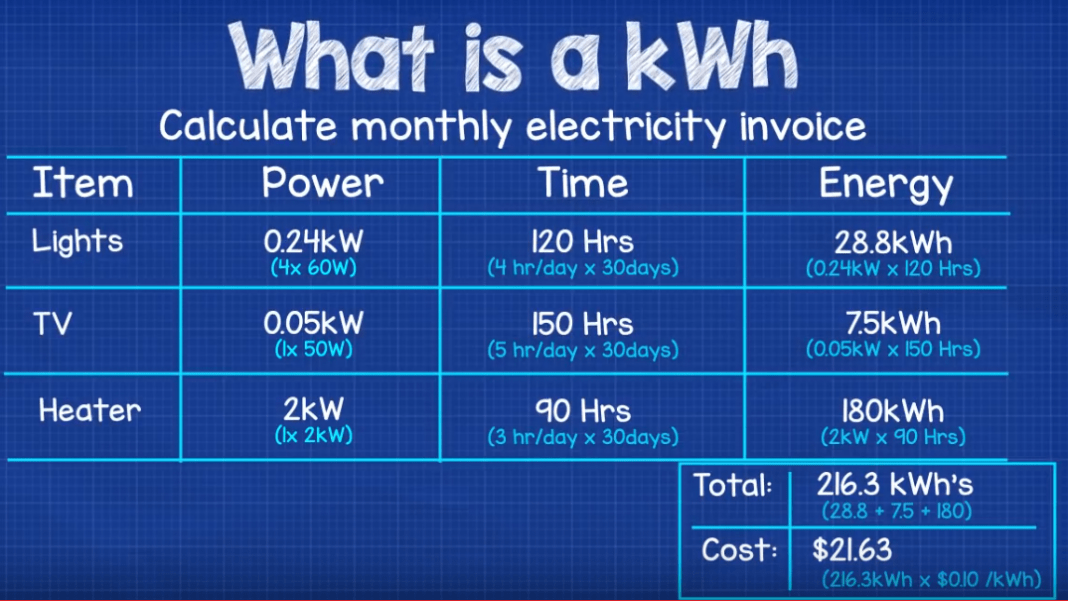
At its core, the kWh rate is simply the price you pay for each unit of electricity you consume. Think of it like the price per gallon of gas for your car, but for your lights, fridge, and everything else plugged in. Its main purpose is to quantify the cost of your energy usage, allowing utility companies to bill you fairly for what you use. The immense benefit here is empowerment. By understanding your kWh rate, you gain the ability to make smarter choices about your energy consumption, potentially reduce your monthly expenses, and even contribute to a greener planet by being more mindful of your energy footprint. It shifts electricity from an abstract cost to a tangible, manageable part of your household budget.
This isn't just theoretical; understanding your kWh rate has practical applications in both daily life and education. In your daily routine, knowing your rate helps you decide if running the dishwasher during "peak hours" (when electricity might be more expensive due to time-of-use rates) is worth it, or if it's better to wait until evening. It helps you calculate the real cost of charging an electric vehicle overnight, or how much that old, inefficient freezer in the garage is truly costing you. For students, exploring kWh rates can be a brilliant way to teach basic economics, physics (power multiplied by time equals energy!), and environmental science. Imagine a school project where kids monitor their home's energy use and calculate potential savings – it brings abstract concepts to life in a very real, impactful way.
Must Read
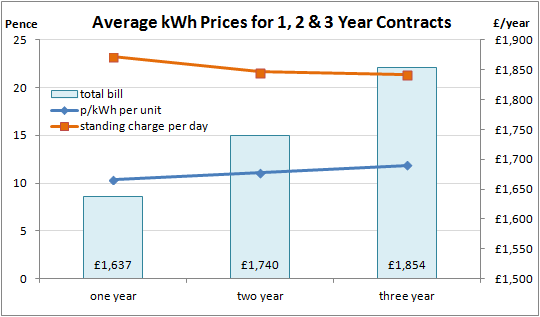
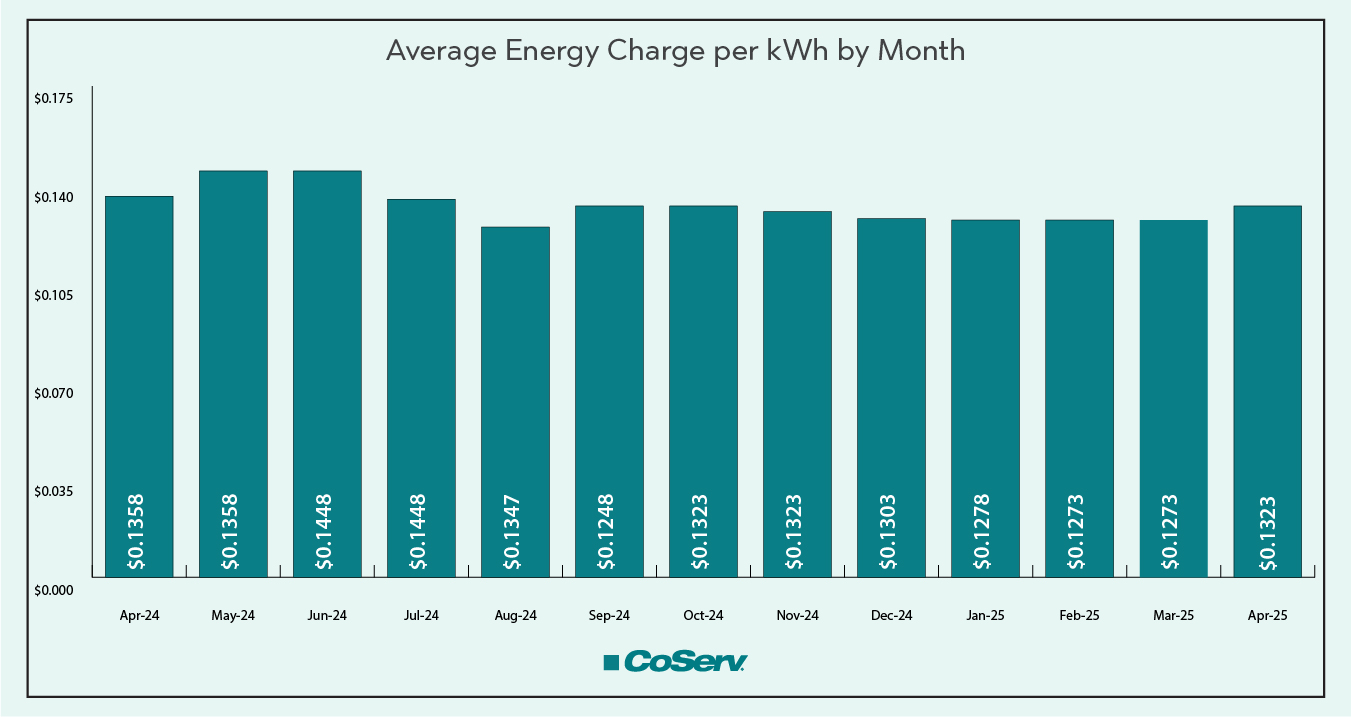
Ready to become an energy detective? Start by simply grabbing your most recent electricity bill. Look for the line that specifies your price per kWh – it might be listed as "delivery charge," "supply charge," or a combined rate. Next, research what other utility providers in your area (if you have choice) are offering. Many states have websites that allow you to compare rates side-by-side. Also, pay attention to the different types of rates available: some are fixed (the same price all the time), others are variable (change with market prices), and as mentioned, time-of-use rates encourage off-peak consumption. Small actions, like unplugging unused electronics (phantom load!), switching to LED bulbs, or adjusting your thermostat by a few degrees, become even more meaningful once you connect them to a specific cost per kWh. It’s a simple step towards being a more informed and energy-savvy consumer.