
What Is The Average Iq For Adults
Ever wondered where you stand in the grand scheme of brainpower? You know, that secret little thought we all have: "Am I, like, really smart?" Well, let's dive into the fascinating, slightly mysterious, and often misunderstood world of IQ scores!
The Big Number: 100!
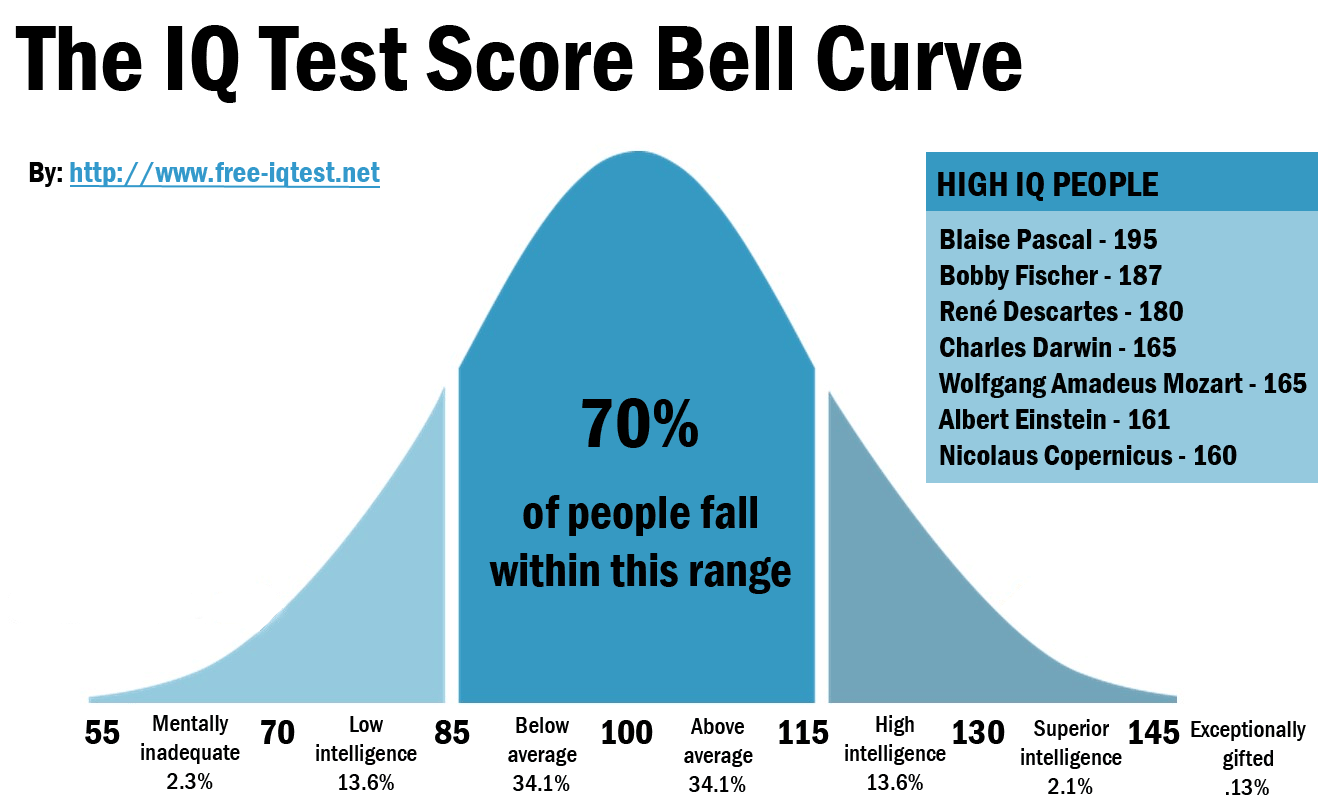
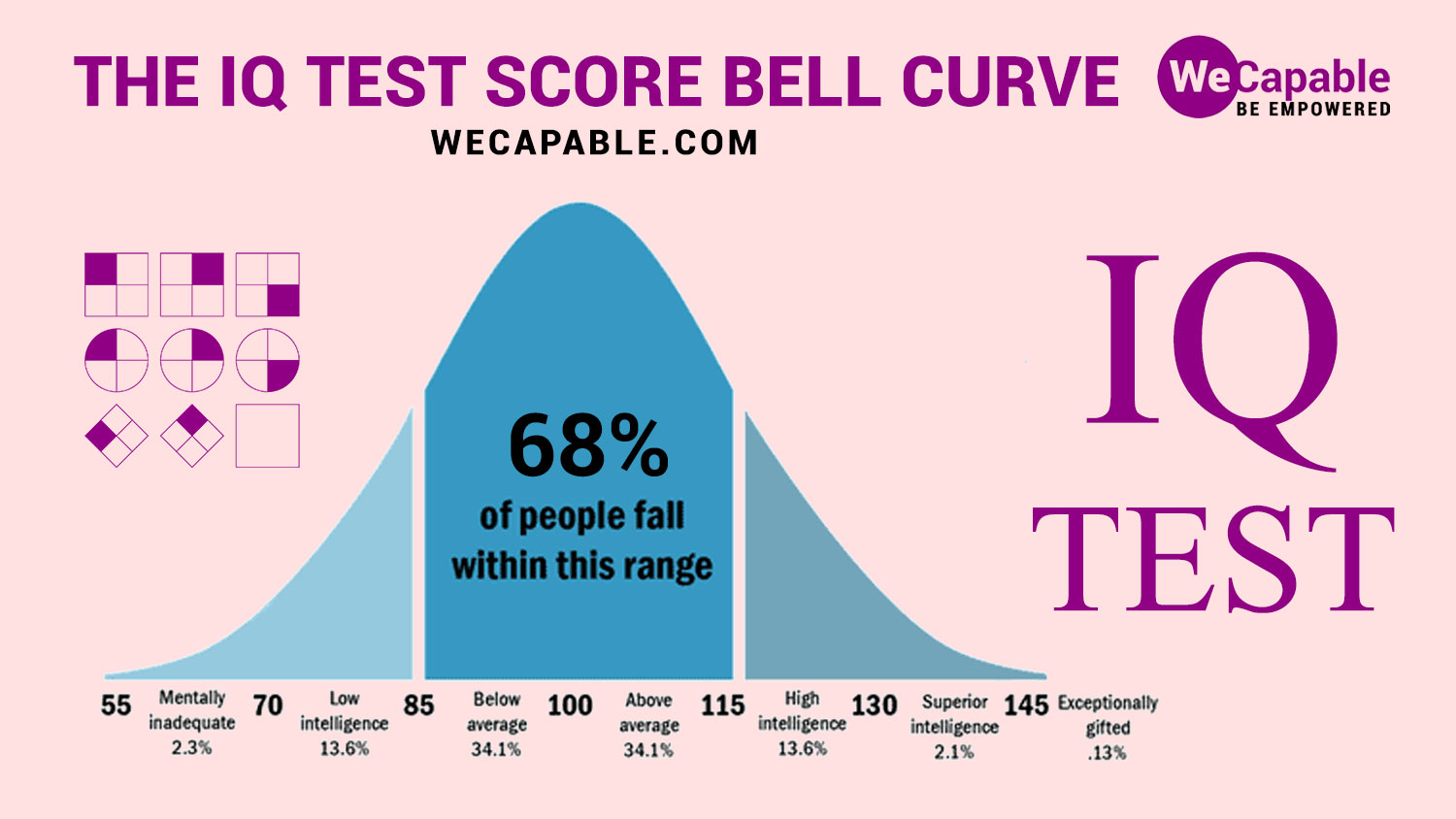
Okay, drumroll please... The average IQ score for adults is 100. Yep, a nice, round, easily rememberable number. Think of it as the intellectual baseline, the point where most people cluster.
Imagine a bell curve. The very top of the bell? That’s 100! Most of us are hanging out somewhere close to that peak, sipping lemonade and discussing the latest Netflix binge.
Must Read
What Does "Average" Really Mean?
Now, "average" doesn't mean "boring" or "unremarkable"! It simply means this is the most common score. Think of it like shoe size: most people wear a size 9 or 10, but that doesn’t make anyone’s feet less special!
Being average IQ means you're perfectly equipped to handle the daily puzzles of life. Paying bills, navigating traffic, figuring out why the internet is down again – you got this!
And besides, who wants to be completely “average” anyway? We all have our own unique talents and quirks that no test can ever measure!
IQ Scores: A Range of Brilliance
So, what if you’re not exactly 100? Fear not! IQ scores are distributed along a range. It's like a colorful spectrum of cognitive abilities, not just a single point.
Most people fall within the 85 to 115 range. Consider it the "intellectual comfort zone," where you can comfortably discuss politics, solve a crossword puzzle, or bake a surprisingly good cake.
If you're a bit above that, say between 115 and 130, congratulations! You're considered above average. You might be the person everyone asks for help with their taxes or the one who always wins at trivia night.
The "Gifted" Realm (130 and Above)
And then there's the land of "gifted" individuals, those with IQ scores of 130 and above. These are the folks who might be building robots in their spare time or deciphering ancient hieroglyphics for fun.
We're talking Stephen Hawking territory here! Of course, even within this range, there are levels of genius. But remember, a high IQ doesn’t automatically guarantee happiness or success.
It simply means these individuals might process information a bit differently or have a knack for certain types of problem-solving.
What About Below Average? (Below 85)
On the other side of the spectrum, we have scores below 85. This doesn't mean someone is incapable or unintelligent. It simply suggests they might learn or process information in a different way.
People with lower IQ scores might require more support or specialized instruction. However, they can still lead fulfilling and successful lives! Just look at countless artists, athletes, and entrepreneurs who may not have had sky-high test scores but achieved incredible things through passion and hard work.
Remember, IQ tests measure specific cognitive abilities, not someone’s overall worth or potential.
IQ Tests: Not the Whole Story
Speaking of tests, let's be clear: IQ tests are just one snapshot of a person’s cognitive abilities. They are far from the complete picture!
Think of them like taking a picture of a beautiful landscape. The photo captures a moment in time, but it doesn't convey the warmth of the sun, the scent of the flowers, or the feeling of the breeze.
IQ tests typically measure things like logical reasoning, spatial abilities, and verbal comprehension. But they don't measure creativity, emotional intelligence, social skills, or common sense.
:max_bytes(150000):strip_icc()/2795284-article-what-is-the-average-iq-5aa00dbc1d640400378bdacb.png)
The Importance of Emotional Intelligence
Emotional intelligence, or EQ, is often just as important, if not more so, than IQ. Being able to understand and manage your emotions, as well as empathize with others, is crucial for success in relationships, careers, and life in general.
You might know someone with a brilliant mind who struggles to hold a conversation or navigate social situations. That's where EQ comes in!
And let’s face it, who would you rather be stuck on a desert island with: someone with a genius IQ but zero survival skills, or someone with average intelligence but a knack for building shelters and finding food?
IQ and Nature vs. Nurture
The age-old debate: nature versus nurture. To what extent is IQ determined by genetics, and to what extent is it shaped by environment and experiences?
The answer, as with most things in life, is a bit of both. Studies suggest that genetics play a significant role in IQ, but environment also matters. A stimulating and supportive environment can help children reach their full potential, while a deprived or neglectful environment can hinder cognitive development.
It’s like planting a seed: you need good soil, water, and sunlight for it to flourish, regardless of its genetic potential.
Boosting Your Brainpower (Yes, You Can!)
So, can you actually increase your IQ? While there's no magic pill to make you a genius overnight, there are definitely things you can do to boost your brainpower and improve your cognitive abilities.
Think of your brain as a muscle. The more you use it, the stronger it gets! And let's be honest, who doesn't want a stronger brain?
Here are a few tips to get you started:
Challenge Your Mind
Engage in activities that challenge your mind. Solve puzzles, learn a new language, play chess, read challenging books – anything that forces you to think critically and creatively.
It's like giving your brain a workout at the gym. The more you push yourself, the stronger and more resilient your brain will become.
Avoid intellectual ruts! Don’t just passively consume information; actively engage with it.
Get Enough Sleep
Sleep is crucial for brain function. When you sleep, your brain consolidates memories and processes information. Skimping on sleep can impair cognitive performance and make it harder to learn new things.
Think of sleep as a brain-cleaning service. It clears out the junk and allows your brain to function optimally.
Aim for 7-8 hours of quality sleep each night. Your brain will thank you for it!
Eat a Healthy Diet
What you eat affects your brainpower. A diet rich in fruits, vegetables, and healthy fats can boost cognitive function and protect against age-related decline.

Think of your brain as a high-performance engine. It needs the right fuel to run smoothly.
Avoid processed foods, sugary drinks, and excessive alcohol. Your brain will thank you even more!
Stay Active
Exercise is good for your body and your brain. Physical activity increases blood flow to the brain, which can improve cognitive function and protect against cognitive decline.
Think of exercise as a brain booster. It gets your neurons firing and your synapses snapping.
Even a brisk walk can make a difference. Get moving and give your brain a little love!
The Bottom Line: Embrace Your Unique Brain
So, what's the average IQ for adults? Around 100. But honestly, that number shouldn't define you.
Your IQ score is just one small piece of the puzzle that makes you who you are. Embrace your unique strengths, nurture your talents, and never stop learning!
After all, the world needs all kinds of brains – big brains, small brains, creative brains, logical brains. So go out there and use yours to make a difference!